Leave Your Message

What Is the Best Wall Hung Smart Toilet from China?

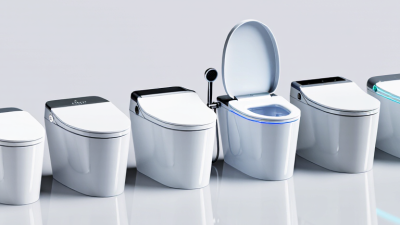
Choosing the best Wall Hung Smart Toilet from China is not a search for the longest feature list. It is a test of fit, build quality, and dependable support. A floating bowl can make a small bathroom feel more open, while a concealed tank reduces visual clutter. But the wall behind that clean silhouette matters. Check whether the carrier frame suits the site, and confirm that local technicians can access key components. A warm-water wash, heated seat, adjustable nozzle, and automatic flushing may sound impressive. Their value depends on intuitive controls and consistent performance.

Dieter Rams, an influential product designer, said, “Good design is as little design as possible.” His principle offers a useful lens, though it is not a toilet-specific verdict. Look for a unit that makes daily tasks easier without burying basic controls in menus. Compare ceramic finish, seat comfort, water use, noise, and the clarity of installation instructions. Ask what warranty coverage includes, how replacement parts are obtained, and whether the seller provides technical documents. Details matter.

There is no universal winner. A compact model may suit one renovation, while another bathroom needs a different rough-in or outlet arrangement. Product pages can be polished; real installation conditions are less tidy. I would verify measurements before trusting a sales image. This guide weighs practical evidence and trade-offs to help identify a Chinese Wall Hung Smart Toilet that fits the room, the user, and the maintenance plan.
What Is the Best Wall Hung Smart Toilet from China?

What Defines a Wall-Hung Smart Toilet from China?

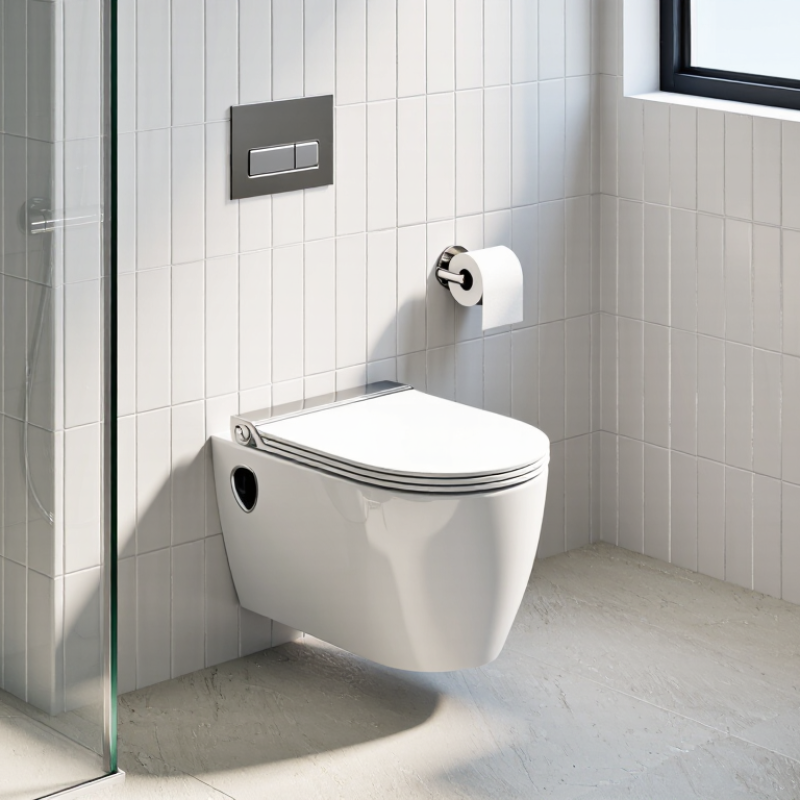
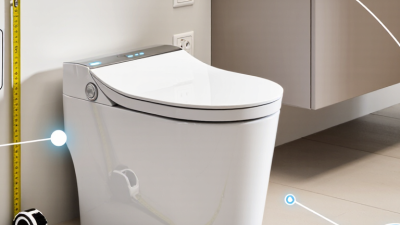
A wall-hung smart toilet from China combines a suspended ceramic bowl with electronic washing and comfort features. The bowl connects to a concealed support frame, while the cistern and plumbing sit behind the wall. The visible result is tidy: open floor space beneath the bowl and fewer edges to wipe. That matters.

“From China” describes where a product is made, not a single design or quality level. Chinese manufacturers offer different bowl shapes, glazing, control panels, and feature sets. Common options include adjustable water temperature, heated seats, air drying, and automatic flushing. These features vary, so check the product specifications rather than relying on the label.

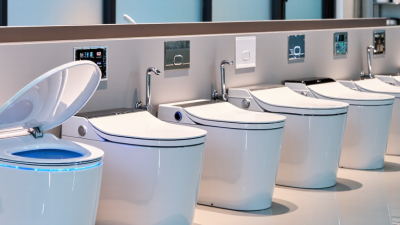
A useful evaluation starts with the installation system. Confirm the frame’s load rating, the required wall depth, and whether the existing water pressure suits the flushing design. Check electrical requirements and access for servicing concealed parts, too. Details like a reachable shutoff valve can make repairs less disruptive. Check the details. A polished showroom display cannot prove long-term reliability, and product descriptions can leave questions unanswered. Ask for clear technical drawings, warranty terms, and test documentation before choosing.
What Defines a Wall-Hung Smart Toilet from China?

This chart compares China’s water-efficiency grade limits for the average flush volume of water closets. Lower values indicate stricter limits; these are standard thresholds, not measurements of specific smart toilets.

Source: China standard GB 25502-2017, Minimum allowable values of water efficiency and water efficiency grades for water closets. Check a product’s certified rating and specifications when comparing wall-hung smart toilets.

How Do Its Design and Smart Features Work?

A wall-hung smart toilet from China should be judged by how its concealed frame, bowl, and electronics work together—not by its feature list. A steel carrier frame supports the bowl, while the cistern and water connections sit behind a service panel. This clears floor space and makes mopping easier. Less clutter. But poor access planning can turn a small valve repair into a wall-opening job. Check the frame’s rated load, rough-in dimensions, and maintenance access before choosing a model.

Smart functions commonly include a heated seat, adjustable wash nozzle, warm-air drying, deodorizing fan, and automatic flushing. A remote or side control sends commands to an electronic controller. Sensors may open the lid or trigger flushing, but manual controls should remain easy to use. Keep it simple. In daily use, nozzle pressure, button labels, cleaning access, and warm-up time matter more than a long feature menu.

The U.S. EPA’s WaterSense toilet guidance sets a benchmark of 1.28 gallons per flush or less, at least 20% below the 1.6-gallon federal standard. This is a useful efficiency comparison, not proof that every smart toilet meets that benchmark. Confirm the actual flush volume and plumbing requirements in the product documentation. Some controls may feel fussy at first; testing them in person can reveal that.

Which Features Matter Most for Comfort and Hygiene?

For a wall-hung smart toilet, comfort depends on fit as much as features. Check the bowl height and shape against the people who will use it; a seat that feels comfortable to one person may feel awkward to another. Adjustable seat warmth, water temperature, and spray pressure offer useful control. Controls should be easy to reach and understand, even at night. A quiet flush matters in a small home.

Tips: Measure the bathroom before ordering. Confirm the frame fits the wall, and ask how technicians can reach the tank and electrical parts later. Keep installation details handy.

Hygiene features deserve close inspection. Look for a self-cleaning spray nozzle, a smooth bowl surface, and a flush design that rinses consistently. These features support cleaning, but they do not replace routine care. Ask for clear specifications on water pressure and power needs, plus written warranty and service information. If buying from China, confirm that replacement parts can be sourced where you live. One detail is easy to overlook: a sleek remote is not helpful if its labels are confusing. Check the manual and control layout before choosing. No feature list can compensate for poor installation.

What Is the Best Wall Hung Smart Toilet from China? — Which Features Matter Most for Comfort and Hygiene?

The best choice is the model that fits the bathroom installation, provides dependable washing and flushing, and has clear safety and service documentation. The benchmarks below are practical questions for comparing products, not specifications for a particular model.

Feature What to Check Why It Matters Practical Selection Benchmark Priority
Installation compatibility Confirm the concealed cistern, wall carrier, bowl dimensions, outlet position, and water and electrical connections are compatible with the bathroom. A wall-hung toilet depends on an in-wall support and cistern; replacing or repositioning these after the wall is finished can be costly. Obtain dimensioned drawings and installation requirements before purchase. Have a qualified installer verify the site conditions. Essential
Washing functions Check rear and front wash options, adjustable water pressure and temperature, nozzle position, and ease of control. Adjustable settings help users find a comfortable wash without relying on a single fixed setting. Look for clearly described adjustment levels and controls that are easy to use; test the settings where possible. High
Nozzle hygiene Check whether the nozzle rinses before or after use, retracts when not in use, and can be accessed for cleaning. Automatic rinsing supports routine cleanliness, while an accessible nozzle makes manual maintenance easier. Prefer a documented self-rinsing function and a nozzle design that can be inspected and cleaned according to the manual. High
Water heating Find out whether water is heated on demand or stored, and review the stated power requirements and temperature controls. Heating design affects the washing experience, energy use, and installation requirements. Choose a design that suits household use and local electrical conditions; verify its rated voltage and power before installation. High
Flush performance Review the flushing system, stated water-use information, and any available test or certification documentation. A smart seat cannot compensate for a poorly matched or unreliable bowl and cistern. Check that the flush system is compatible with the local plumbing and applicable water-efficiency requirements. Essential
Water-pressure requirements Check the product's minimum and maximum inlet pressure and whether it requires a separate pump or tank. Water pressure varies between buildings and can affect washing and flushing functions. Compare the manufacturer's stated pressure range with the measured supply at the installation site. Essential
Seat comfort and safety Look for adjustable seat heating, a soft-close lid, stable temperature control, and suitable electrical protection. These features improve everyday comfort; electrical safety is especially important in a bathroom. Check the product's safety documentation and installation instructions, including any required residual-current protection. High
Power-failure operation Ask how flushing works during a power outage and whether an emergency flush or manual method is provided. Some smart functions need electricity, so a clear backup procedure can prevent inconvenience. Confirm the backup method in the manual and make sure it is practical for the planned installation. High
Cleaning and maintenance Check access to the bowl, seat, nozzle, filters, and service parts, as well as the recommended cleaning products. Easy access and clear care instructions help maintain hygiene and reduce the risk of damage. Prefer a removable or serviceable seat and readily available instructions for routine cleaning and filter replacement. High
Warranty and after-sales support Verify warranty coverage for the bowl, concealed cistern, electronic seat, and labor; check parts availability and service arrangements. Smart toilets combine plumbing and electronic components, so support matters over the product's service life. Request written warranty terms, a parts list, and a clear process for technical support in the destination country. Essential

How Can Chinese Brands and Models Be Compared?

To compare Chinese wall-hung smart toilet models, start with the installation system, not the feature list. Check the concealed tank frame, wall structure, drain position, and service access against your bathroom plan. Measure the available space around the bowl and leave room to open the seat. A glossy control panel means little if replacement parts are difficult to obtain locally. Measure twice.

Compare flushing under conditions close to your home’s water pressure and drainage setup. Ask sellers for test information, and check whether the model offers adjustable wash settings, a heated seat, and a usable night light. Sit on the display unit if possible; bowl shape and seat width feel different in person. Small details matter. Also check whether key functions remain usable during a power interruption.

Warranty terms, installation support, and spare-part availability can separate similar-looking models. Request written details for the ceramic body, electronic components, and concealed tank system, rather than relying on a broad warranty claim. Confirm that the dimensions and plumbing connections match your project before ordering. Online specifications may omit a measurement you need, so ask for a dimensioned drawing. A comparison can still miss real-world comfort, but clear measurements and service information make the choice less of a guess.

What Should Buyers Check Before Purchase and Installation?

Before ordering a wall-hung smart toilet from China, confirm that its dimensions match your bathroom plan. Measure the bowl projection, seat height, and available side clearance. Check the drain position, water inlet location, and required rough-in dimensions against the product drawings. A small mismatch can mean costly changes behind a finished wall. Measure twice.

Ask a qualified installer to assess the wall structure and concealed carrier frame before purchase. Confirm the frame’s rated load and whether it suits your wall construction. Check the toilet’s water-pressure range, electrical voltage and frequency, plug type, and required outlet location. These details vary by model and destination, so verify them in the technical manual rather than relying on a sales description. Small details matter. Request installation instructions, relevant test documents, warranty terms, and a clear list of replacement parts. Also ask how the unit can be serviced after tiling; access panels and removable components matter when a sensor or valve needs attention. Buyers can focus too much on heated seats and automatic flushing. That is understandable, but a poor fit or limited service access may matter more over time. Have the installer review the drawings before the order is finalized.