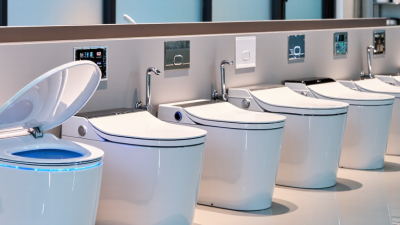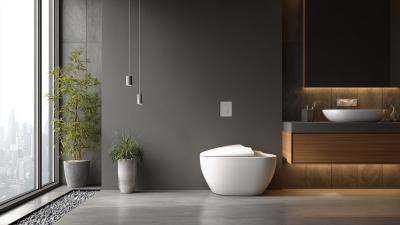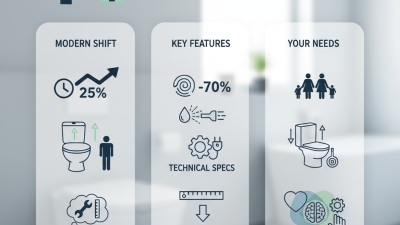
A Smart Toilet can make a bathroom feel more comfortable, but the best choice depends on your space, budget, and daily habits. Some models focus on essentials, such as a bidet wash and heated seat. Higher-priced options may add adjustable water settings, air drying, night lights, automatic lids, or hands-free flushing. More features can be useful. They can also mean more controls to learn and more components to maintain.
This guide compares 10 options across different price ranges, with attention to published specifications, warranty details, and installation needs. Before buying, check whether a model requires a nearby power outlet, a particular water connection, or professional installation. These details can change the real cost. Measure your bathroom, too; a sleek design is not helpful if the seat or lid does not fit properly. A lower-cost model may suit a simple upgrade, while households seeking more comfort may prefer additional settings. Still, price alone does not tell the whole story. A feature-rich toilet may not be right for every user, and product details can vary by region or model version. No single pick fits everyone. Consider accessibility, cleaning preferences, and how easy replacement parts are to find. The comparisons ahead aim to make those trade-offs clearer, though some preferences remain personal. Check current specifications before purchasing.
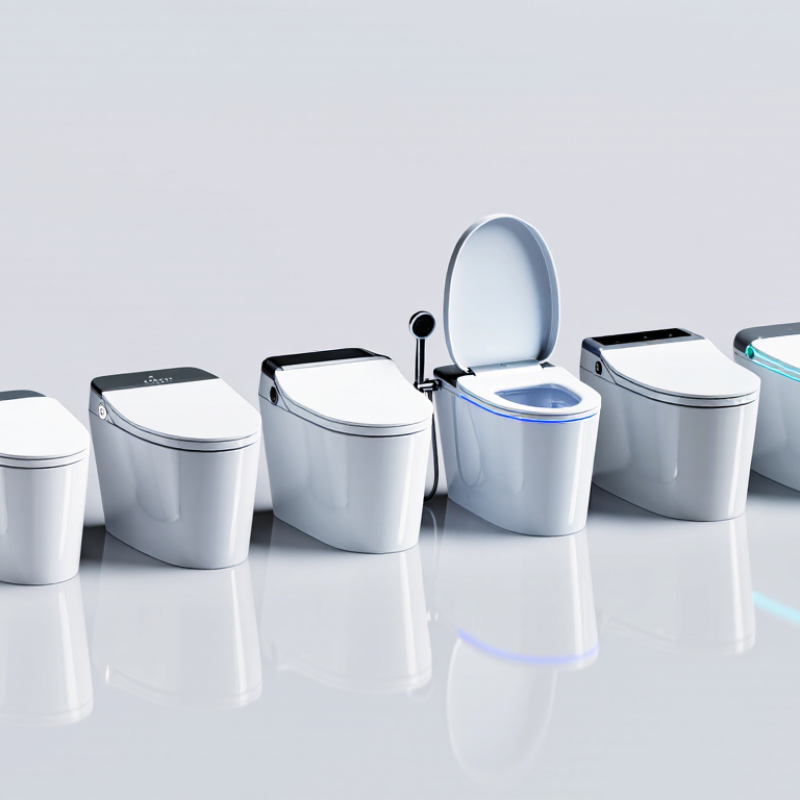
What Makes a Toilet Smart?
A smart toilet combines electronic controls with familiar bathroom functions. Common features include automatic flushing, a heated seat, adjustable wash sprays, warm-air drying, and a night light. Some models also open the lid or adjust settings when someone approaches. The difference is practical: a small sensor can start a flush, while a control panel lets users change water pressure and temperature. Try the controls before buying. A complicated panel can be frustrating at 6 a.m.
Smart features do not automatically mean lower water use. The U.S. Environmental Protection Agency’s WaterSense program estimates that toilets account for nearly 30 percent of indoor water use in an average home. Its guidance says WaterSense-labeled toilets use 1.28 gallons per flush or less, at least 20 percent less than the federal standard of 1.6 gallons. Look for verified efficiency alongside electronic features. A sensor that flushes twice can undermine the savings.
Comfort and upkeep matter, too. A warm seat is useful on a cold morning; a self-cleaning nozzle may reduce hands-on cleaning, but it still needs care. That is not magic. Check whether the unit needs a nearby outlet, whether its settings are easy to understand, and what happens during a power outage. Some details are easy to overlook, and smart features can add maintenance as well as convenience.
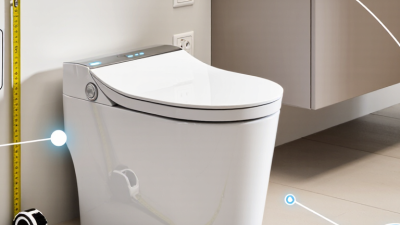
A smart toilet earns its price through features you will use daily, not a long list of controls. At the lower end, look for adjustable wash pressure, a heated seat, and a clear, easy-to-use remote. A gentle night light can help during late visits without lighting the whole bathroom. Small details count.
Midrange models may add warm-air drying, automatic lids, or a deodorizing fan. Check whether settings can be adjusted separately; one fixed wash temperature or pressure may not suit everyone. Self-cleaning nozzles are useful, but they do not remove the need for routine cleaning. A sleek control panel is less helpful if the labels are hard to read.
Higher-priced options often include hands-free flushing, personalized user settings, and more precise temperature controls. These can improve comfort, though extra electronics may mean more parts to maintain. Before buying, confirm the toilet’s rough-in measurements, water connection, and electrical requirements. An outlet in the wrong place can turn an upgrade into a renovation. Compare warranty coverage and the availability of replacement parts, too. Not every premium feature is worth the cost. Consider who will use the toilet, how easy the controls are to reach, and which functions you would actually switch on each morning.
A smart toilet’s price often reflects more than a sleek control panel. Lower-cost models may offer heated seating, a basic wash function, and a simple night light. Mid-range options can add adjustable water temperature, air drying, automatic flushing, or a lid that opens hands-free. At the higher end, users may find more precise settings, quieter operation, and easier-to-clean surfaces. Features vary, so compare the functions you will actually use rather than paying for a longer list.
Performance also depends on installation and upkeep. A model with many electronic features may need a nearby outlet and suitable plumbing. Check these requirements before buying; an unexpected installation change can affect the real cost. Water pressure, seat comfort, and how easily the controls make sense matter in daily use. That matters. A premium price does not guarantee a better fit for every bathroom. I’d still want to test the controls in person, if possible.
Tips: Compare warranty coverage, replacement-part availability, and cleaning instructions. Look for clear settings and a comfortable seat height. Keep it practical.
Consider long-term costs, too. Some functions use electricity, while filters or other replaceable parts may add maintenance expenses. A simpler model can be the more reliable choice for a household that wants basic comfort. It is easy to focus on luxury features and overlook the small details that shape everyday performance.
For a tighter budget, compare three practical options: a basic bidet seat fitted to an existing toilet, a seat with adjustable water temperature, and a simple integrated unit with a heated seat. These cover everyday comfort without paying for every extra feature. Check outlet access and bowl shape before buying. A small mismatch can turn a bargain into a hassle.
The middle tier includes four choices: models with warm-air drying, adjustable spray positions, automatic flushing, or a night light and deodorizing filter. Features vary, so read the specifications rather than relying on labels. In a dim bathroom, a gentle night light can be genuinely useful. One detail is easy to miss: some seats need nearby electrical power, which may affect installation cost.
At the higher end, consider three full-featured toilets with hands-free lids, personalized user settings, or more advanced cleaning and flushing controls. These options may suit busy households, but extra sensors and settings also add complexity. Ask about maintenance, replacement parts, and warranty coverage. Ten choices, ten different trade-offs; the most expensive one is not automatically the best fit.
A budget-first comparison of common smart toilet and bidet-seat configurations. Price ranges are approximate U.S. retail estimates; features can vary by model and installation requirements.
| Budget Rank | Best For | Typical Price (USD) | Configuration | Common Smart Features | Installation Notes | Main Trade-Off |
|---|---|---|---|---|---|---|
| 1 | Lowest-cost upgrade | $250–$450 | Basic electronic bidet seat | Adjustable wash, heated seat, soft-close lid, side controls | Fits compatible toilets; nearby electrical outlet usually required | Often lacks a warm-air dryer, automatic lid, and automatic flush |
| 2 | Essential comfort features | $400–$700 | Bidet seat with dryer | Warm-water wash, adjustable spray, heated seat, warm-air drying | Check bowl shape and clearance before purchase; requires power | Retains the existing toilet and may have basic manual controls |
| 3 | Round-bowl bathrooms | $450–$800 | Round-front electronic bidet seat | Heated seat, wash modes, adjustable water temperature, remote control | Designed for compatible round bowls; outlet and water connection needed | Fewer size and style options than elongated-seat configurations |
| 4 | More personalized controls | $650–$1,000 | Advanced electronic bidet seat | Multiple user settings, oscillating wash, warm-air dryer, night light | Usually installs on an existing compatible toilet | Still requires the existing toilet to be in good condition |
| 5 | First integrated smart toilet | $900–$1,500 | One-piece toilet with electronic wash seat | Heated seat, bidet wash, soft-close lid, night light | Replacement installation; verify rough-in and electrical access | May use a conventional tank and manual lid operation |
| 6 | Compact bathroom layouts | $1,200–$1,900 | Compact integrated toilet | Wash and dryer functions, heated seat, deodorizing feature, remote control | Measure the full footprint and confirm plumbing compatibility | Compact dimensions can mean fewer bowl or control options |
| 7 | Hands-free convenience | $1,600–$2,500 | Integrated toilet with automatic functions | Automatic flush, sensor-activated lid on some models, bidet wash, heated seat | Requires compatible electrical supply; professional installation may be needed | Sensor features and included functions vary considerably by configuration |
| 8 | Balanced premium features | $2,000–$3,200 | Premium integrated smart toilet | Automatic flush, adjustable wash, warm-air dryer, night light, deodorizer | Confirm rough-in, outlet location, and water-supply requirements | Higher purchase and repair costs than a replacement bidet seat |
| 9 | Modern, tankless appearance | $2,800–$4,500 | Tankless or concealed-cistern smart toilet | Automatic flushing, heated seat, remote wash controls, streamlined profile | May need dedicated electrical work or changes to existing plumbing | Installation is more complex and may depend on household water pressure |
| 10 | Top-end bathroom upgrade | $4,000–$7,000+ | High-end integrated smart toilet | Advanced wash settings, automatic lid and flush on some models, dryer, deodorizer | Plan for professional installation and verify service access before purchase | Premium price does not guarantee that every feature is included |
Prices are broad market estimates, not quotes for specific products. Before buying, check toilet shape, rough-in distance, electrical access, water-pressure requirements, and local plumbing codes.
Choosing a smart toilet starts with your bathroom, not its feature list. Measure the space around the bowl, including clearance to the door and nearby fixtures. Check whether a grounded electrical outlet is within reach; many models need power for heated seats, washing functions, and automatic lids. If your bathroom lacks an outlet, ask a qualified electrician about safe installation before you buy.
Think about daily comfort. A warm-water wash, adjustable spray, and easy-to-use controls may matter more than an automatic lid. Check seat height, bowl shape, flush performance, and whether the unit suits your home’s water pressure. Small details count. A control panel that is hard to reach can become annoying fast.
Set a realistic budget that includes installation and possible electrical work. Less expensive models may offer basic washing and heating, while higher-priced options can add drying, deodorizing, or personalized settings. More features also mean more parts to clean or repair. Read the maintenance instructions and warranty terms carefully, and confirm that replacement parts are available. One detail is easy to overlook: how the toilet works during a power outage. Some models provide a manual flush, but others may need a backup method. Check before purchasing.
How to Choose the Right Smart Toilet for Your Home
Indicative U.S. retail price ranges for integrated smart toilets: entry-level models generally cost less, while premium models may add features such as automatic flushing, heated seats, and warm-air drying. Prices vary by configuration and retailer; this is a budgeting guide, not a product ranking. Bidet seats are not included.