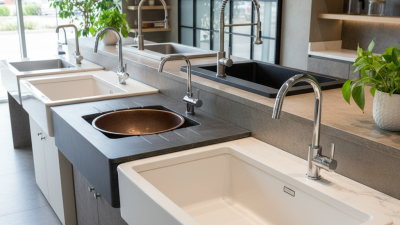
Top Bathroom Basin Tips for Global Buyers in 2026
As the demand for stylish and functional bathroom fixtures continues to rise, the bathroom basin takes center stage in modern design. This essential component not only serves practical purposes but also significantly impacts the overall aesthetic of a bathroom. Global buyers in 2026 should be aware of various factors when selecting the right bathroom basin for their needs.
Understanding the latest trends will help in making informed choices. Think about materials, colors, and shapes that complement different styles. A bathroom basin should reflect personal taste and match the overall theme of the space. However, it's crucial to consider functionality along with aesthetics.
There are many options available, but not every bathroom basin is a perfect fit. Some may underestimate the space or plumbing requirements. Others might overlook the quality and durability of materials. Buyers should conduct thorough research and reflect on their own needs before purchasing. Balancing style and utility is essential for a satisfied investment.
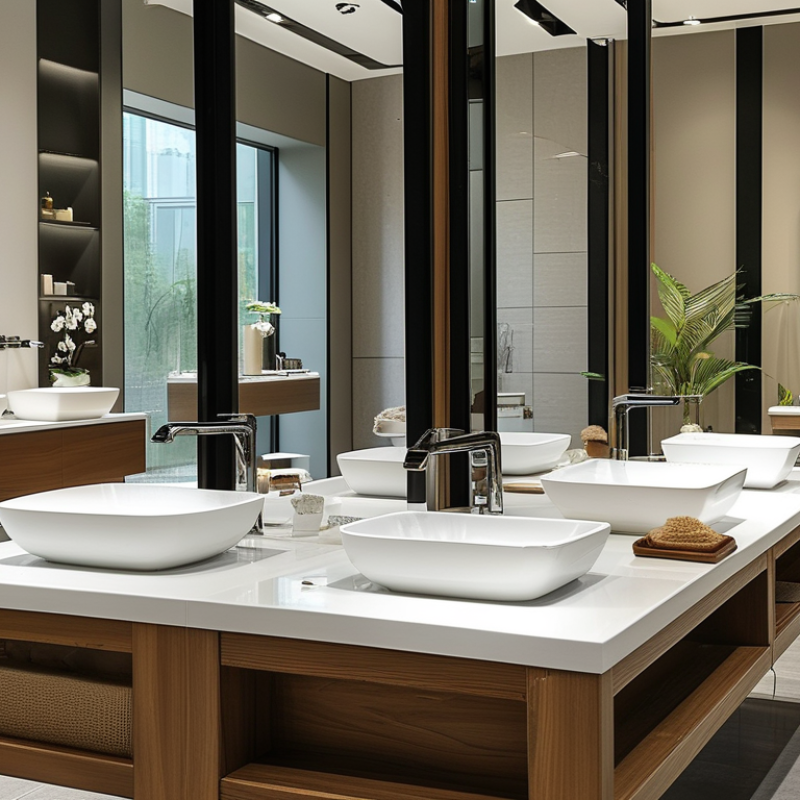
Top Trends in Bathroom Basin Designs for Global Buyers in 2026
In 2026, bathroom basin designs are evolving to embrace functionality and style. Sustainable materials are becoming popular as buyers look for eco-friendly options. Expect to see innovative use of glass, stone, and metals that combine durability with aesthetic appeal. These materials not only enhance the look of your bathroom but also promote longevity.
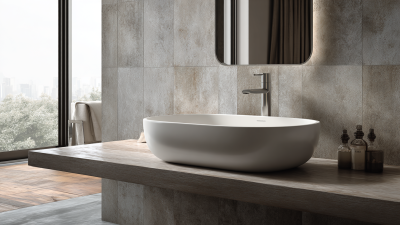
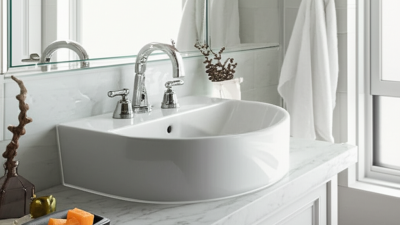
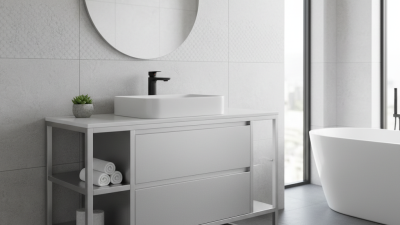
Flexible shapes are on-trend this year. Round, oval, and asymmetrical basins are charming options that cater to diverse tastes. Buyers are drawn to unique designs that fit their personality. Multi-functional basins are also gaining attention, serving not just as sinks but as integral design elements. However, achieving a balance between style and practicality can be challenging.
Color plays a crucial role in bathroom basin trends. Soft pastels and rich, deep hues invite a sense of luxury and warmth. However, bold choices may not suit every space. It’s essential to carefully consider the overall color scheme. Lighting can greatly influence how a basin’s color is perceived. Test shades with different light before making a final decision. Ultimately, the best choice will resonate with your vision and the functionality of the space.
Key Material Considerations: Porcelain vs. Stone vs. Glass Basins
When choosing a bathroom basin, material plays a significant role. Porcelain, stone, and glass each have unique attributes. Porcelain is popular for its durability and ease of cleaning. Its glossy surface resists stains, making it a practical choice for busy households. However, it can chip if mishandled. This durability comes with a trade-off: porcelain can feel cold and uninviting.
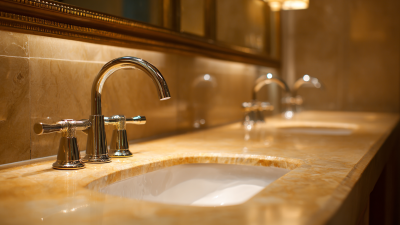
Stone basins, such as granite or marble, add an organic touch to your bathroom. Their natural variations offer a unique aesthetic. Yet, stone requires regular sealing to prevent water damage. This maintenance can be a hassle for some homeowners. Also, the weight of stone can be a concern during installation.
Glass basins are sleek and modern, ideal for contemporary designs. They reflect light, creating an illusion of space. However, glass is fragile and may require careful handling. Scratches can easily become visible. The allure of each material lies in its strengths and weaknesses. Buyers must reflect on their needs, balancing style against practicality.
Top Bathroom Basin Tips for Global Buyers in 2026 - Key Material Considerations
| Material |
Durability |
Maintenance |
Style Options |
Cost Range |
| Porcelain |
High |
Easy to clean |
Classic, Elegant |
$100 - $300 |
| Stone |
Very High |
Moderate |
Natural, Unique |
$300 - $800 |
| Glass |
Moderate |
Requires regular cleaning |
Modern, Sleek |
$150 - $400 |
Global Market Analysis: Projected Growth Rates for Bathroom Basins
The global bathroom basin market is projected to grow significantly by 2026, driven by rising urbanization and changing consumer preferences. Market analysts predict an annual growth rate of around 5% over the next few years. This growth reflects the evolving trends in interior design, with many opting for stylish yet functional basins.
In developing regions, increased disposable income plays a crucial role. Consumers are investing more in their homes, making bathroom renovations a priority. Moreover, sustainability is becoming a key concern. Eco-friendly materials are gaining traction, though not all manufacturers are adapting quickly. This could lead to a gap in meeting consumer demand.
Buyers must consider both aesthetics and practicality when selecting basins. The size and shape should complement existing bathroom decor. However, some overlook the importance of installation and maintenance. It’s essential to research these aspects thoroughly. Balancing design with function is a challenge that requires thoughtful consideration in a competitive market.
Top Bathroom Basin Tips for Global Buyers in 2026
Essential Features: Smart Technology in Bathroom Basins by 2026
As we approach 2026, smart technology in bathroom basins is set to transform our daily routines. Modern bathroom basins now incorporate touchless faucets, which enhance hygiene by minimizing contact. These faucets utilize infrared sensors to detect hands, ensuring a seamless water flow. Additionally, smart basins often come with built-in temperature controls, allowing users to set their desired water temperature effortlessly.
Another essential feature includes smart water monitoring systems. These systems track water usage in real-time and provide insights via connected smartphone apps. Users can receive alerts about leaks or unusual usage patterns, promoting water conservation. While these advancements promise convenience, some challenges remain. Integration issues with existing plumbing can arise, and user interfaces may seem complex for those less tech-savvy.
Moreover, style and functionality must go hand in hand. As smart features become more common, aesthetic considerations should not be overlooked. Balancing technology with design ensures that bathroom basins remain visually appealing. Buyers should remain cautious; not all features are essential or worth the investment for every household. Adopting a thoughtful approach to smart technology in bathroom basins will lead to a more efficient and enjoyable experience.
Sustainability in Bathroom Design: Eco-Friendly Options and Innovations
In 2026, eco-friendly bathroom design is more crucial than ever. Homeowners seek sustainable options that minimize environmental impact. Innovative materials, such as recycled glass and bamboo, are popular choices for bathroom basins. These materials look sleek and stylish while reducing waste.
Water efficiency is another key focus. Dual-flush toilets and low-flow faucets save significant amounts of water. This shift contributes to both lower utility bills and environmental awareness. However, not all designs effectively balance aesthetics with sustainability. Buyers should be cautious about choosing trendy designs that lack long-term durability.
Focusing on energy efficiency is equally important. LED lighting and natural ventilation reduce energy consumption. However, some may overlook these features in favor of extravagant designs. Establishing a balance between beauty and function can be challenging. Buyers should conduct thorough research to find the best eco-friendly options that suit their needs.