Best Kitchen Sink Wash Basin Options for Your Home?
When selecting a kitchen sink wash basin, it’s essential to consider both functionality and style. The kitchen is among the most important spaces in the home. A well-chosen sink can enhance daily tasks and overall kitchen aesthetics. According to a study by the National Kitchen and Bath Association, 70% of homeowners prioritize sink quality during renovations. This highlights the significance of this often-overlooked fixture.
Different types of kitchen sink wash basins cater to diverse needs. For example, undermount sinks are favored for their seamless integration with countertops, while farmhouse sinks add a rustic charm. A report from HomeAdvisor indicates that homeowners spend an average of $300 to $1,500 on kitchen sinks. This investment reflects both quality and design preference. However, many homeowners may overlook the importance of material and maintenance.
In an era of increasing sustainability awareness, choosing a durable, eco-friendly kitchen sink wash basin can significantly impact your kitchen’s environmental footprint. Yet, making a choice can be daunting amid various options. Many struggle with balancing aesthetics, durability, and functionality. A thoughtful approach can lead to a satisfying and well-informed decision.
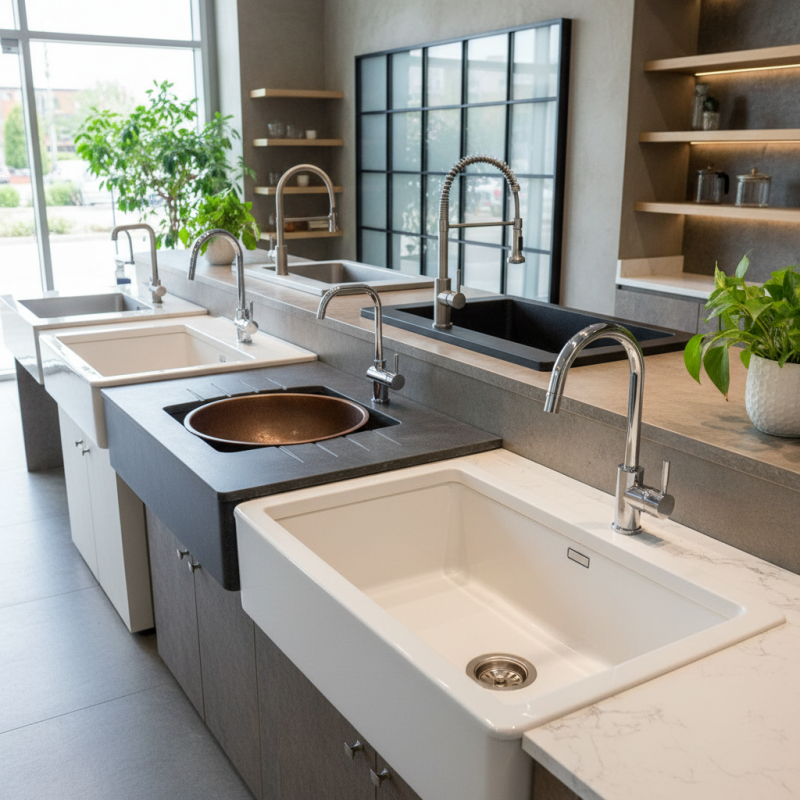
Factors to Consider When Choosing a Kitchen Sink Wash Basin
Choosing the right kitchen sink wash basin involves several critical factors. Material is a key element. Stainless steel is favored for durability, while granite composite offers a stylish aesthetic. A report from HomeAdvisor indicates that 70% of homeowners prioritize material for longevity and maintenance ease.
Size and layout matter too. The sink should fit your kitchen’s space without overwhelming it. For instance, a double-basin sink is practical for multitasking but requires sufficient counter area. A 2022 survey revealed that 65% of renovators needed to adjust their sink sizes, reflecting their kitchen design preferences.
Installation type is another consideration. Undermount sinks provide a sleek look but can be costly to install. Drop-in sinks are easier and cheaper but may lack a modern touch. Reflecting on installation challenges, many homeowners reported unexpected costs, underscoring the need for budget clarity in selections. Balancing functionality with aesthetics is crucial for a kitchen sink that satisfies both daily use and visual appeal.
Best Kitchen Sink Wash Basin Options for Your Home
Popular Materials for Kitchen Sinks: Pros and Cons
When choosing a kitchen sink, material plays a vital role. Common options include stainless steel, porcelain, and composite materials. Each has its own benefits and drawbacks. For instance, stainless steel is durable and resistant to rust, making it a popular choice in many households. A report from the Home Improvement Research Institute noted that over 70% of homeowners prefer stainless steel for its ease of cleaning.
Porcelain sinks offer a classic aesthetic, but they can chip easily. Homeowners often find themselves faced with scratches and stains over time. While they look stunning, maintenance is crucial. Composite materials can mimic the appearance of stone while providing excellent durability. However, they may not withstand extreme heat as well as other materials.
**Tips:** Consider your cooking habits when selecting a sink. If you frequently work with heavy pots and pans, a stainless steel sink might be advisable. Remember also to evaluate the installation process. Some materials are more challenging to install than others, which might lead to additional costs. Reflect on how often you entertain guests; your sink should meet both functionality and style needs.
Best Kitchen Sink Wash Basin Options for Your Home? - Popular Materials for Kitchen Sinks: Pros and Cons
| Material |
Pros |
Cons |
| Stainless Steel |
Durable, resistant to stains and corrosion, easy to clean |
Can scratch easily, may dent if impacted |
| Composite Granite |
Highly durable, scratch and stain resistant, aesthetically pleasing |
Can be heavy, more expensive than some options |
| Cast Iron |
Very durable, excellent heat retention, available in many colors |
Very heavy, can chip or crack, needs to be coated |
| Fireclay |
Highly durable, non-porous, easy to clean, resistant to scratches |
Heavy, can be expensive, may show stains over time |
| Acrylic |
Lightweight, resistant to chipping, available in variety of colors |
Less durable than metal options, can scratch easily |
Types of Kitchen Sinks: Undermount, Drop-In, and More
When choosing a kitchen sink, there are several types to consider.
Undermount sinks are popular in modern kitchens. They are installed beneath the countertop, creating a seamless look.
This design makes it easy to wipe food debris directly into the sink. However, installation can be tricky and requires a solid countertop.
Drop-in sinks offer a different approach. They sit on top of the counter, making installation simpler.
This type of sink can complement various countertop styles. It's great for budget-friendly remodels.
The downside? Cleaning the rim can be a hassle since debris can accumulate there.
Farmhouse sinks have gained popularity too. These deep sinks are both stylish and functional.
They provide ample space for large pots and pans. However, this type often requires custom cabinetry.
Choosing the right sink is crucial.
Each option has unique benefits and limitations, influencing your kitchen's overall aesthetic and functionality.
Top Brands to Explore for Quality Kitchen Sinks
When choosing a kitchen sink, quality matters significantly. Reports show that over 60% of homeowners prioritize durability in their selection. Stainless steel remains a top choice due to its resilience. A good quality stainless steel sink can resist scratches and stains. Materials like composite and porcelain also have their followers. They offer unique aesthetics but can be prone to chips.
Brand reputation plays a vital role too. Research indicates that trusted brands often carry warranties for their products. A sink's installation is critical for its longevity. Improper installation can lead to leaks, affecting the overall kitchen environment. Many homeowners overlook this, which can translate to costly repairs later on.
Proper maintenance impacts kitchen sinks significantly. Regular cleaning can prevent buildup, extending their lifespan. However, some materials require specific care to maintain their appearance. As a homeowner, it's essential to weigh options based on your cooking habits and style preferences. Choosing wisely can enhance functionality and aesthetics in your kitchen space.
Tips for Maintaining and Cleaning Your Kitchen Sink Wash Basin
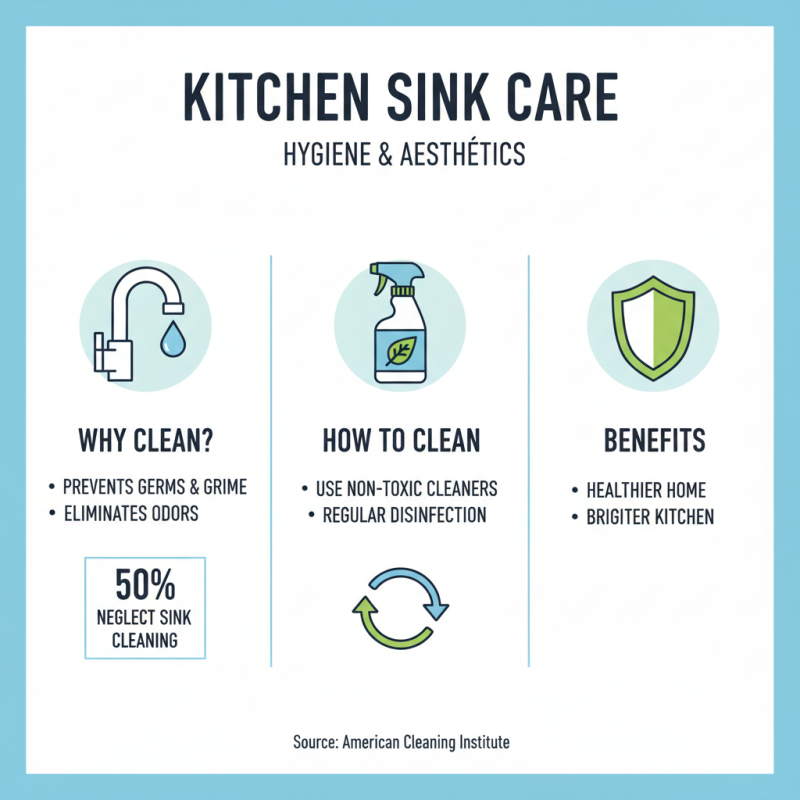
Maintaining a clean kitchen sink wash basin is essential for both hygiene and aesthetics. Regular cleaning can prevent the buildup of germs and grime. According to the American Cleaning Institute, nearly 50% of people neglect to clean their sinks adequately. This oversight can lead to unpleasant odors and potential health risks. The use of non-toxic cleaners and regular disinfecting practices can make a significant difference.
Moreover, paying attention to materials is vital. Stainless steel is popular for its durability. However, it requires specific care to avoid scratches. A recent survey indicated that 30% of homeowners are unaware of the right cleaning products for their sinks. Using a soft sponge instead of abrasive pads can prolong the lifespan and shine of the wash basin. It is also crucial to rinse thoroughly after cleaning to prevent residue buildup.
Incorporating daily habits can help in maintaining your sink. Wiping down the basin after each use can eliminate minor stains and water spots. Not everyone adopts this approach, leading to long-term discoloration. Additionally, regularly checking for clogs is essential to avoid expensive plumbing repairs. A proactive mindset towards maintenance ensures a pristine and functional kitchen sink that serves its purpose efficiently.