What Is a Foot Basin Used For?
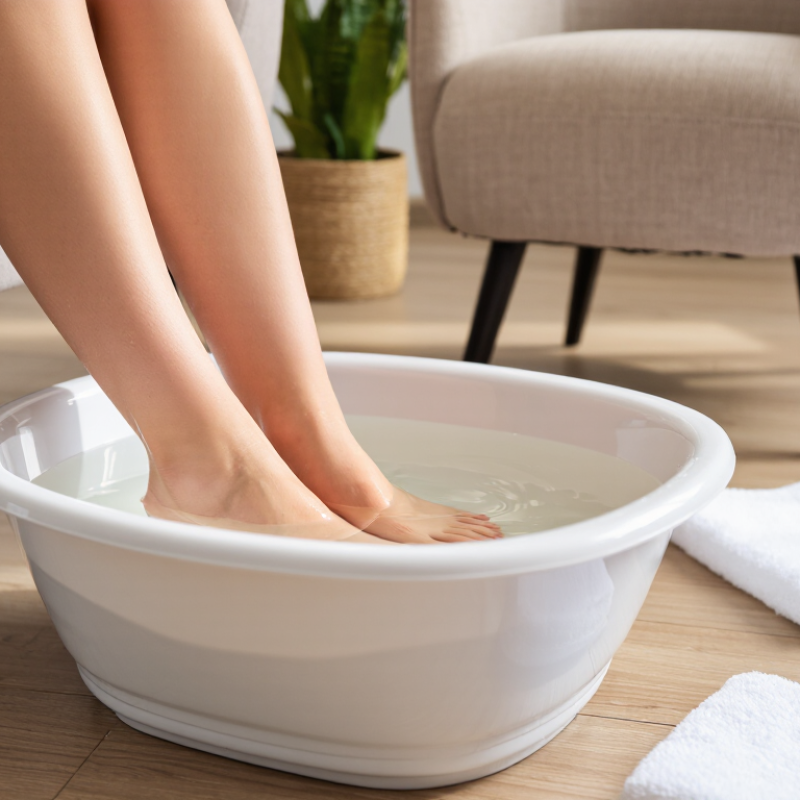
A Foot Basin is a container for immersing the feet in warm water, often at home or in a salon. People use one to soften dry skin, loosen surface dirt, and create a relaxing pause after a long day. The appeal is easy to picture: warm water around tired heels, with a towel and comfortable chair nearby. Still, a soak is simple care, not a cure. Small distinction, big deal.
Foot discomfort is common. The American Podiatric Medical Association’s 2014 survey reported that 77% of U.S. adults had experienced foot pain. That figure helps explain interest in at-home foot care, but it does not prove that soaking prevents or treats pain. The CDC’s 2024 National Diabetes Statistics Report estimated that 38.4 million people in the United States had diabetes, underscoring why foot care needs can vary. For people with diabetes, the National Institute of Diabetes and Digestive and Kidney Diseases advises washing feet in warm water, but not soaking them, because soaking may dry the skin. A Foot Basin may suit a gentle relaxation routine, yet skin condition, sensation, and health history matter. This guide looks at common uses, practical benefits, and sensible precautions, including when a basin may not be the right choice. The honest answer is less glamorous than a spa claim. Comfort can be real; medical benefits need evidence.
Definition and Basic Design of a Foot Basin
A foot basin is a portable, open container for holding water around the feet. Its basic form is simple: a wide bowl, a stable bottom, and sides deep enough to limit splashes. Some designs include a drain or molded footrests, but these are optional. The basin may be used while seated beside a chair, with a towel placed underneath to catch drips. Small details matter.
Good design makes the basin easy to fill, carry, and clean. A broad opening helps users lower their feet without striking the rim, while a non-slip base can reduce movement on a smooth floor. Rounded edges feel more comfortable against the ankles. Choose a size that fits both feet without forcing them together. CDC’s National Diabetes Statistics Report, 2022, estimated that 37.3 million people in the United States had diabetes, using 2019 data. This is not evidence that soaking treats foot problems; it highlights why careful, gentle foot care matters.
Tip: Check water temperature before soaking, especially if foot sensation is reduced. Keep the basin clean and dry it fully after use. A foot basin is a modest tool, not a medical treatment. That distinction is easy to overlook.
Common Uses for Soaking and Washing Feet
A foot basin is a small container for washing or soaking the feet. Its everyday use is simple: fill it with comfortably warm water, sit down, and lower your feet in. For washing, add a little mild soap and use your hands or a soft cloth to clean between the toes and around the heels. Rinse away the soap, then dry the skin carefully, especially between the toes. That matters. Damp skin can become irritated, so a clean towel is useful.
Soaking can loosen dirt after a day in sandals or help soften dry skin before gentle care. Some people find warm water relaxing after standing for hours, though the comfort is temporary and not a treatment for foot problems. Keep the water warm, not hot, and limit the soak if your skin becomes red or uncomfortable. People with reduced foot sensation, open sores, or diabetes should ask a healthcare professional before soaking, since heat or prolonged moisture may cause problems without being noticed. Clean the basin after each use and let it dry fully. It is easy to forget that part.
What Is a Foot Basin Used For? - Common Uses for Soaking and Washing Feet
| Common Use |
What It Involves |
Practical Guidance |
| Washing feet |
Holding water while you wash away everyday dirt and sweat with mild soap. |
Rinse off soap and dry carefully, including between the toes. |
| A brief warm soak |
Immersing the feet in comfortably warm water as part of a relaxing personal-care routine. |
Use warm, not hot, water; keep the soak brief and stop if the skin feels uncomfortable. |
| Cleaning after outdoor activity |
Rinsing mud, sand, or other visible debris from feet before drying and changing footwear. |
Remove loose debris gently and clean the basin after use. |
| Preparing for basic foot care |
Softening the skin briefly before routine care, such as gently smoothing rough areas. |
Avoid aggressive scrubbing or cutting calluses; prolonged soaking can dry or irritate skin. |
| Personal foot-care routine |
Providing a contained space for water during a home foot-washing or soaking routine. |
Use a clean basin and do not share it without washing and drying it between users. |
| Safety note |
If you have reduced foot sensation, poor circulation, diabetes, open sores, or a suspected infection, ask a healthcare professional before soaking your feet. Check water temperature carefully and follow any individual care advice. |
How to Use a Foot Basin Safely
A foot basin is commonly used to soak tired feet, soften dry skin, or make washing easier. Safe use starts with a stable basin on a nonslip floor. Add clean, lukewarm water, then test it with your hand or wrist. Warm, not hot. Water that feels comfortable to your hand can still burn sensitive skin. It is easy to assume hotter water works better, but it can cause redness or irritation without improving the soak. Keep the water shallow enough to avoid spills, and limit soaking to about 10 to 15 minutes.
Check your feet before and after soaking. Avoid soaking open cuts, blisters, or irritated skin; clean them gently instead. People with diabetes, reduced sensation, or circulation problems should ask a healthcare professional before using a foot basin, since heat or minor skin damage may go unnoticed. Stop if you feel burning, tingling, or discomfort. Then dry well. Pay attention between the toes, where moisture can linger. Wash the basin with soap and water after use, rinse it, and let it dry fully. I sometimes overlook the basin itself, but leftover moisture and debris are a reason to clean it each time.
Types of Foot Basins and Their Features
A foot basin holds water for soaking, rinsing, or washing tired feet. Simple plastic basins are lightweight, affordable, and easy to store. Their wide openings make it easier to lower both feet in, though shallow sides may let water splash onto the floor. Deeper basins keep more water around the ankles. Some include textured bottoms, which can feel soothing but may be uncomfortable for sensitive soles.
Collapsible basins suit small homes or travel because they fold flat after use. Electric foot spa basins may add gentle warmth, bubbles, or vibration. These features can make a soak feel relaxing, but they do not replace medical care or guarantee health benefits. Check the water temperature yourself; built-in warming settings may not suit everyone. A basin can feel luxurious, though cleaning and drying it properly takes a little effort.
Tips: Choose a basin with enough room to move your toes. Place it on a stable, water-resistant surface, and use comfortably warm—not hot—water. Wash and dry the basin after each use. Small details matter. If you have reduced foot sensation, check with a healthcare professional before soaking.
What Is a Foot Basin Used For? Types and Features
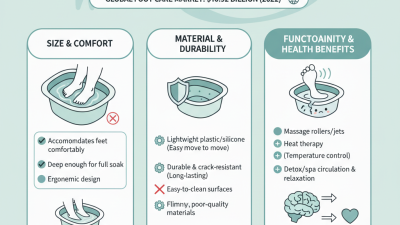
Foot basins hold water for soaking and washing feet. This qualitative comparison rates common basin types from 1 (low) to 5 (high); features vary by model.
Cleaning and Maintaining a Foot Basin
What Is a Foot Basin Used For?
Cleaning and Maintaining a Foot Basin
A foot basin can hold warm water for washing or soaking tired feet, but it needs careful cleaning between uses. Empty it right away. Skin oils, soap, and lint can cling to the bottom and sides. Wash the basin with warm water and mild detergent, using a clean cloth to reach seams and textured areas. Rinse well so no slippery residue remains.
For shared basins, clean and disinfect after every person. Choose a disinfectant suitable for the basin’s material, and follow its label for contact time. Never mix cleaning products. Rinse if the label instructs you to, then dry the basin completely with a clean towel or let it air-dry. Small details matter. I sometimes forget the rim, where splashed water can sit. Check it, too.
Store the basin in a dry, ventilated place, not nested while damp. Before each use, look for cracks, rough edges, or lingering odors; damaged surfaces can be harder to clean thoroughly. If the basin has electrical parts or massage features, unplug it and follow its care instructions. Keep water away from the motor and controls. A quick inspection takes seconds. Cleaning is easy to postpone, but that is the part worth reconsidering.