How to Choose the Best Foot Basin for Your Needs?
Choosing the right foot basin can significantly impact your foot care routine. A good foot basin promotes relaxation and well-being. The market offers various sizes, materials, and designs, which can be overwhelming. Understanding your specific needs is essential to make the best choice.
Consider factors such as durability and comfort. A basin made from high-quality materials will last longer and provide better support. Also, think about the size. A larger foot basin accommodates more people or offers extra space for soaking. If you have limited storage, a compact design may be more suitable.
Reflect on past experiences with foot basins. Did you find them comfortable? Was the cleaning process easy? These reflections will guide you in making a more informed decision. A thoughtful choice can enhance your foot care practices and overall health.
Types of Foot Basins and Their Unique Features
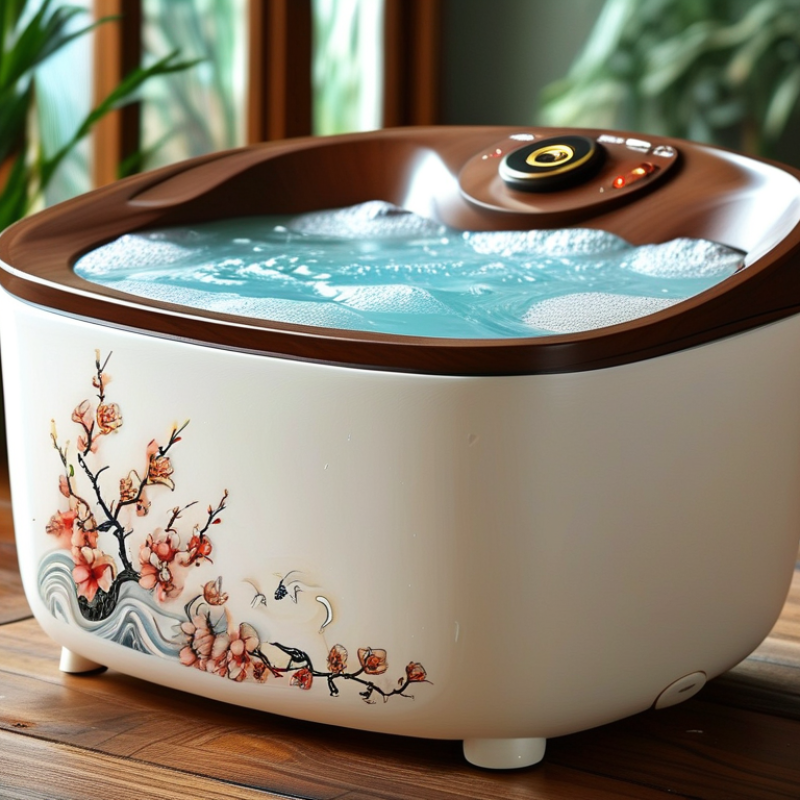
When selecting a foot basin, understanding the different types available can be quite helpful. There are basic basins made from plastic or ceramic. These are lightweight and easy to store. Some models are designed with comfort in mind, featuring a padded rim or ergonomic shape. Others may offer a more spa-like experience, with added heat or massaging features.
Tips: Always check the basin's size. It should fit your feet comfortably. Consider the weight of the basin. A heavier option might feel more stable during use.
Electric foot basins are another option. They often come with features such as heating elements and bubbling jets. These can enhance relaxation. However, they require more maintenance and storage space. Battery-powered models are convenient but may not provide consistent performance.
Tips: Evaluate how often you'll use the basin. If it's infrequent, a manual model might suffice. For frequent use, invest in a quality electric model.
Factors to Consider When Choosing a Foot Basin
Choosing the right foot basin involves various considerations that can significantly impact your experience. Begin by thinking about the size. A larger basin accommodates wider feet. It also ensures you can comfortably soak without spilling water. Smaller basins are portable, but they may restrict movement. Always think about where you will use it. A lightweight design is vital for ease of handling.
Material plays a crucial role too. Plastic is affordable and easy to clean. However, wood offers a natural feel and aesthetic appeal. It can be harder to maintain. Think about your personal preferences and lifestyle. Add-ons, such as built-in massage features or heat settings, can enhance your soaking experience. Reflect on whether these are necessary for you or just additional costs.
Don’t overlook the design of the basin. Some shapes provide better support. Others may look more appealing in your bathroom. Check for durability and stability. A beautiful basin that cracks easily won’t serve you well. Ultimately, consider what features matter most to you. It's a personal choice, shaped by your needs and preferences.
Factors to Consider When Choosing a Foot Basin
Materials Used in Foot Basins: Pros and Cons
Choosing the right foot basin involves understanding the materials used in their construction. Common materials include plastic, stainless steel, ceramic, and fiberglass. Each comes with its own set of pros and cons.
Plastic basins are lightweight and often more affordable. They resist cracking but may not handle high temperatures well. According to a recent industry report, nearly 40% of users prefer plastic due to its ease of cleaning. However, they may lack durability over time.
Stainless steel basins are durable and resistant to rust. They handle high temperatures effortlessly. However, they can be heavier and more expensive. A study indicated that stainless steel basins tend to have a longer lifespan, but they may require more maintenance to avoid scratches.
Tips: When choosing, consider where you will use the basin. For outdoor settings, plastic might suffice. Inside, stainless steel can add a modern touch. Always think about how often you’ll use it. Long-term use needs more durable materials.
Ceramic basins are another option. They are aesthetically pleasing but can be fragile. Their design can enhance any space but often limits portability. A survey found that 30% of ceramic users experienced chips or breaks. Reflect on your lifestyle to determine the best choice.
Size and Capacity: Finding the Right Fit for Your Needs
When choosing a foot basin, size and capacity are crucial factors. A basin that is too small can be uncomfortable and limit your experience. Conversely, an oversized basin may not fit in your space. Measure your area beforehand to find the right fit. Look for basins that accommodate your foot size comfortably.
Consider the depth as well. A deeper basin allows for better soaking and relaxation. Many people find that a basin with a capacity of at least 2-3 gallons enhances their experience. Test different basins to see what feels most comfortable for you. Think about how the basin will be stored. Compact designs may be less intimidating and easier to manage.
People often overlook the weight of a filled basin. A heavier basin can be challenging to lift. It is vital to think about your strength and any potential health concerns. If you have mobility issues, lighter options might be beneficial. There is no one-size-fits-all solution. Each person's needs will vary, so reflection on personal preferences is essential.
How to Choose the Best Foot Basin for Your Needs? - Size and Capacity: Finding the Right Fit for Your Needs
| Model |
Size (L x W x H) |
Capacity (Liters) |
Material |
Weight (kg) |
| Basin A |
40 x 30 x 25 cm |
15 |
Plastic |
1.5 |
| Basin B |
50 x 35 x 30 cm |
20 |
Metal |
2.0 |
| Basin C |
55 x 40 x 35 cm |
25 |
Glass |
2.5 |
| Basin D |
60 x 45 x 40 cm |
30 |
Ceramic |
3.0 |
Maintenance and Cleaning Tips for Foot Basins
Cleaning and maintaining foot basins is essential for hygiene and longevity. Regular cleaning reduces bacteria growth. Studies show that 60% of foot basins harbor harmful microorganisms if neglected. This suggests a routine cleaning protocol is crucial.
Use mild detergents and warm water for daily cleaning. Avoid harsh chemicals that can damage materials. Employing a soft cloth or sponge ensures a gentle scrub. Pay special attention to crevices where dirt accumulates. Weekly deep cleans can include specialized disinfectants, allowing for a more thorough sanitization.
Consider the basin material when choosing cleaning methods. Porcelain basins may need different care than plastic ones. Regular inspection for cracks or wear is vital. Small issues, like chips, can lead to bigger problems. Address these promptly to prolong the basin’s life. Remember, the goal is not just appearance but safety and cleanliness.