What Is a One Piece Toilet and Why Choose It?
A One Piece Toilet combines the tank and bowl into one molded ceramic unit. Its smooth profile leaves fewer joints, seams, and dust-catching edges around the bathroom. That difference becomes visible during cleaning, especially behind the tank and near the floor. Richard Trethewey, a master plumber and long-time This Old House plumbing expert, describes the fixture’s importance simply: “The toilet is the most used seat in the house.” His observation explains why comfort, flushing reliability, and maintenance deserve more attention than appearance alone.
Water performance also matters. The U.S. Environmental Protection Agency reports that toilets represent nearly 30% of residential indoor water use. Its WaterSense specification identifies high-efficiency models using 1.28 gallons per flush or less. These toilets must also meet strict performance requirements. EPA data shows that WaterSense products have helped save trillions of gallons since the program began. Still, a lower flush number does not guarantee a better bathroom experience. Poor bowl geometry, weak waste removal, or an unsuitable rough-in can create daily frustration.
A One Piece Toilet offers practical advantages, but it is not perfect. Its heavier construction can make delivery and installation harder. Repairs may also cost more when proprietary parts are involved. Think carefully. Measure the rough-in, check seat height, and confirm replacement-part availability before buying. A glazed, easy-clean surface feels valuable after several months, not only on installation day. The best choice balances water efficiency, flushing power, cleaning effort, bathroom space, and long-term serviceability. A beautiful fixture can still disappoint if it does not fit the room or the household’s habits.
What Is a One-Piece Toilet?
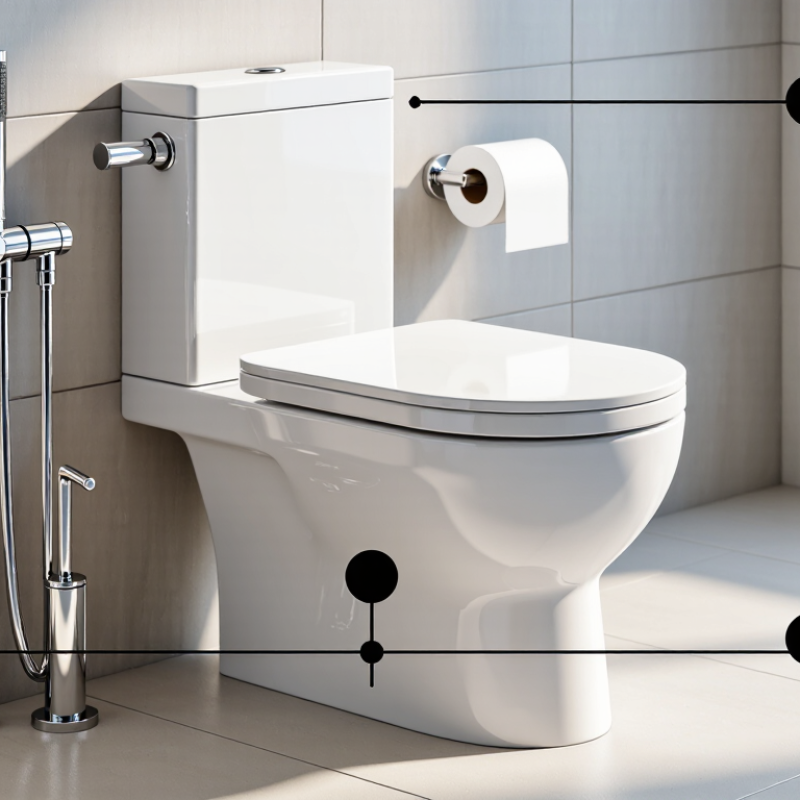
A one-piece toilet is a bathroom fixture made from one continuous ceramic body. The tank and bowl are fused together, unlike a two-piece toilet with separate sections. This design creates fewer joints, so dust and grime have fewer places to collect. Its smooth shape can make daily cleaning easier, especially around the base of the tank.
One-piece models often look compact and modern. They may suit smaller bathrooms because their unified form appears less crowded. The lower height can also feel stable for many users. However, they are usually heavier and may cost more to transport or install. A one-piece toilet is not automatically better. Room size, user comfort, rough-in measurements, and plumbing access still matter. I would not choose one by appearance alone.
Tips: Measure the wall-to-drain distance before buying. Check the seat height and bowl shape in person when possible. During installation, lift carefully and avoid tightening bolts too much, because ceramic can crack. Look for a clear water-efficiency rating and accessible replacement parts. The flush can be quiet, but performance depends on water pressure and internal design. A showroom visit helps, though it may not reveal long-term cleaning habits or maintenance issues.
How Is a One-Piece Toilet Designed and Built?
What Is a One-Piece Toilet and Why Choose It?
A one-piece toilet combines the tank and bowl into one molded ceramic body. The manufacturer casts the vitreous china, forms the trapway, then fires it at high temperature. A smooth glaze seals the surface and reduces places where residue can collect. Unlike a two-piece model, it has no tank-to-bowl gasket or exposed connecting bolts. That design can reduce leak points, but it also creates a heavier unit. Installation often needs two people.
Inside, the tank holds the fill valve, flush valve, overflow tube, and actuator. Pressing the button or lever lifts the flush valve. Water then moves through the rim and trapway, pushing waste into the drain. The trapway’s shape matters. A wider, smoother passage can support stronger discharge, but ceramic geometry cannot be judged by appearance alone. The EPA WaterSense Tank-Type Toilet Specification, Version 2.0, limits labeled toilets to a maximum effective flush volume of 1.28 gallons. It also requires at least 350 grams of waste-extraction performance. A one-piece toilet is not automatically water-efficient. Its certification and test results matter more.
Tips: Check the model’s WaterSense listing and MaP performance report before buying. Measure the rough-in, doorway width, and seat height. Leave service access around the flush valve. The integrated body looks clean, yet internal repairs may feel less convenient. That trade-off is easy to overlook. Personally, I would also inspect the underside glaze and trapway opening, because small finishing defects can become cleaning problems later.
What Are the Main Benefits of Choosing One?
What Is a One Piece Toilet and Why Choose It?
A one-piece toilet combines the tank and bowl into one continuous ceramic unit. Its smooth shape creates fewer joints, seams, and hidden edges than a two-piece model. This design can make daily cleaning noticeably easier. Dust and residue have fewer places to collect, especially around the tank connection.
The main benefit is practical maintenance.
A single ceramic body reduces the number of external connection points, which may lower the chance of loose fittings or small leaks. It also feels sturdy because the tank does not sit separately on the bowl. Many homeowners prefer its clean appearance in modern bathrooms. The compact profile can work well in smaller rooms, although measurements still matter. Check the rough-in distance, seat height, and door clearance before installation. A beautiful toilet can become frustrating if the lid meets a wall.
Cleaning takes less effort.
One-piece toilets can also offer comfortable height options and efficient flushing systems. Their glazed surfaces are usually simple to wipe with a soft cloth and mild bathroom cleaner. Avoid abrasive powders, which may dull the finish over time.
However, these toilets are often heavier and more difficult to move through narrow hallways. Replacement parts may also require careful matching, since some components are less universal. That drawback deserves attention. Choosing only by appearance can lead to repair delays later. A reliable decision considers bathroom dimensions, user comfort, cleaning habits, and future maintenance access.
How Can You Choose the Right One-Piece Toilet?
A one-piece toilet joins the tank and bowl into one molded unit. It has fewer seams, so dust and moisture have fewer places to collect. However, its shape can make the unit heavier and harder to carry upstairs. Measure the bathroom doorway, floor space, and rough-in distance before buying. A beautiful toilet that cannot pass the doorway is a poor choice.
Water efficiency should be checked with evidence, not appearance.
The U.S. Environmental Protection Agency’s WaterSense specification limits certified toilets to 1.28 gallons per flush, about 20% below the federal 1.6-gallon standard. The EPA also reports that toilets use nearly 30% of residential indoor water. Look for a recognized efficiency label, then review MaP performance data. MaP testing measures waste removal in grams, and 600 grams is a practical target for many households. Some products perform higher, but higher numbers do not guarantee a quieter flush. Check the flush sound in a showroom when possible. I once focused too much on water savings and ignored seat height; daily comfort mattered more than expected. Choose a comfortable height, a reliable dual-flush or single-flush mechanism, and an accessible replacement seal. Confirm the bowl’s projection before installation. A compact model may save space, yet leave less sitting room. Also inspect the cleaning path around the rim and trapway. Independent performance records are more trustworthy than vague claims.