Leave Your Message
A Standing Basin can look elegant in a showroom and feel awkward beside your own bathroom door. Choosing well means checking more than appearance: measure the available floor space, note the position of water and waste connections, and consider who will use the basin each day. A few centimeters can affect how easily you move around it.
This guide offers seven practical tips for comparing height, width, bowl depth, materials, installation needs, cleaning, and overall value. Bathroom designer Elena Brooks is an illustrative expert voice created for this introduction; the following line is original, not a sourced quotation: “A good basin should fit the room and the daily routine, not just the photograph.” Treat it as a design principle, not a verified expert endorsement.
Start with the room, not the product page. Picture the cabinet door opening, a towel within reach, and water splashing near the edge. Check the manufacturer’s dimensions and installation guidance before buying, and ask a qualified installer to confirm connection requirements when needed. Small details matter.
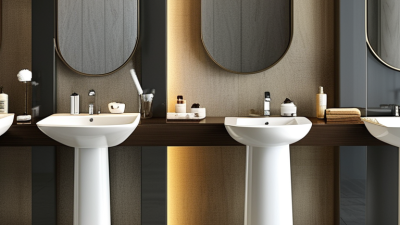
Style still counts. A slim pedestal may keep a compact room feeling open, while a broader basin can offer more usable surface. Yet trends change, and a beautiful finish may show water marks more readily. Consider how much cleaning you are willing to do. These tips will help you weigh real-world fit, comfort, durability, and maintenance before choosing a Standing Basin that works beyond the showroom.
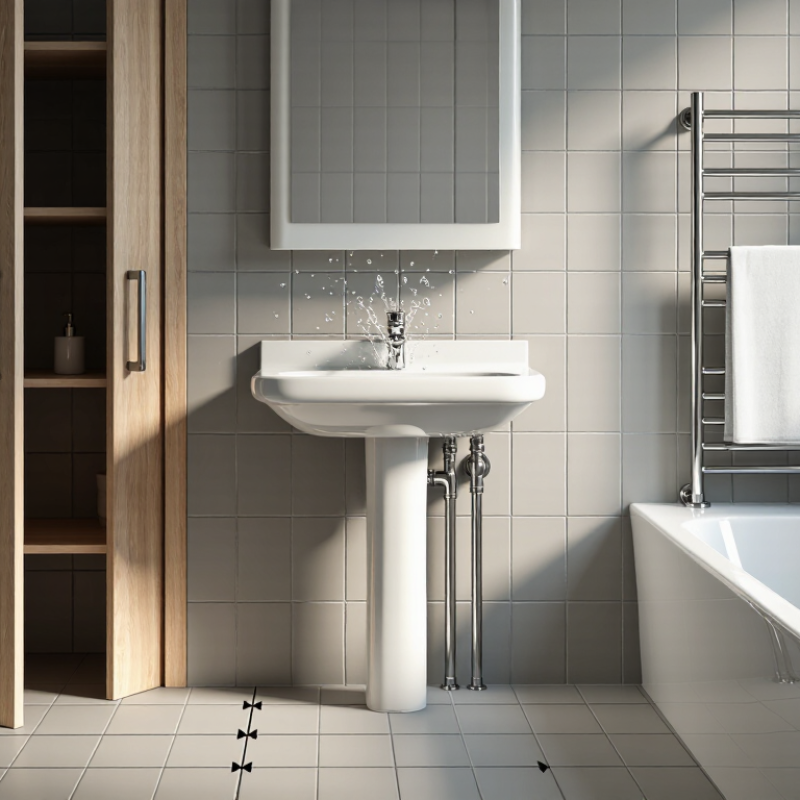
Before choosing a standing basin, watch how your bathroom is used each day. Is it mainly for quick handwashing, face care, or helping children brush their teeth? A basin beside a busy family bathroom may need a wide, deep bowl to catch splashes. For a small guest bathroom, a narrower design may leave more room to move. Measure the available floor space, including the path to the door. A basin can look compact in a shop and feel awkward at home.
Notice what actually sits around the basin. If you use a soap dispenser, toothbrush cup, or skincare bottles, check whether the rim or nearby counter can hold them. Some standing basins offer little ledge space. That can mean extra shelves, and extra clutter. Also consider who will use it: bowl height affects comfort, especially for children or anyone who finds bending difficult. I once underestimated how far water could splash from a shallow basin. Not ideal. Think about cleaning, too. A pedestal may hide pipes, but the tight floor gap can collect dust and make wiping harder. Your daily routine matters more than appearance alone.
| Tip | Bathroom Need or Daily Use | What to Consider | Practical Check |
|---|---|---|---|
| 1. Measure the available space | Small bathrooms, narrow layouts, or basins positioned near a door or shower. | Compare the basin’s width and projection with the clear floor area. A deeper basin may be useful, but it can make a tight route harder to use. | Measure the intended footprint and nearby clearances before shopping. Check the product’s full dimensions, including the pedestal or supporting column. |
| 2. Match the basin to daily tasks | Handwashing, face washing, shaving, or occasional hand-rinsing of small items. | Choose a bowl shape and depth that suit the main tasks. A more generous bowl can help reduce splashing during regular washing. | Consider who will use the basin and how often. Check the bowl’s usable interior dimensions, not just its outside width. |
| 3. Choose a comfortable height | Everyday use by adults, children, or people with different mobility needs. | Standing basins are commonly installed around 80–85 cm from the floor to the rim, but the comfortable height depends on users and the basin design. | Check the manufacturer’s recommended installation height and consider a trial measurement with the intended users before fixing the plumbing. |
| 4. Check tap and plumbing compatibility | Replacing an existing basin or planning a new bathroom installation. | Tap-hole arrangements, tap reach, waste position, and pipe access vary by basin. A freestanding pedestal may conceal some pipework but can limit access. | Confirm the number and position of tap holes, waste outlet location, and compatibility with existing water supplies and drainage before purchase. |
| 5. Select a suitable material and finish | Busy family bathrooms or spaces where easy routine cleaning matters. | Vitreous china and glazed ceramic are common basin materials. Smooth glazed surfaces are generally straightforward to clean; follow care instructions to protect the finish. | Review the care guidance and inspect the basin for a smooth, even surface. Avoid assuming that every cleaner is suitable for every finish. |
| 6. Plan for storage and accessibility | Bathrooms with limited counter space, frequent grooming routines, or users who need clear knee space. | A pedestal basin usually provides little or no built-in storage. Its base can also affect legroom and access compared with a wall-mounted design. | Decide where soap, towels, and toiletries will go. Check the space around and below the basin against the needs of all regular users. |
| 7. Consider cleaning and maintenance | Households seeking simple upkeep and easy access to the floor around the basin. | A pedestal can hide pipework, while a wall-mounted basin may leave more floor visible. Installation and access for future repairs differ by design. | Ask how the basin is fixed and how the waste and supply connections can be reached. Leave suitable access for cleaning and maintenance. |