How to Choose the Best Pedestal Basin for Your Bathroom?
Choosing the right pedestal basin for your bathroom can feel overwhelming. With a variety of styles, sizes, and materials, the decision is not straightforward. A well-chosen pedestal basin can transform your bathroom's aesthetics.
Consider the space available in your bathroom. A larger basin may offer more functionality but could dominate the room. On the other hand, a smaller pedestal basin can save space while still adding elegance. Think about the design style of your bathroom. A classic basin fits well in traditional settings, while a sleek modern basin suits contemporary spaces.
Don’t forget practical aspects, like installation and maintenance. Some basins may be easy to install but require more upkeep. Research the materials, as durability and finish matter. Your choice reflects personal style and should meet everyday needs. Finding the perfect balance between beauty and function is essential in this decision.
Understanding the Different Types of Pedestal Basins Available
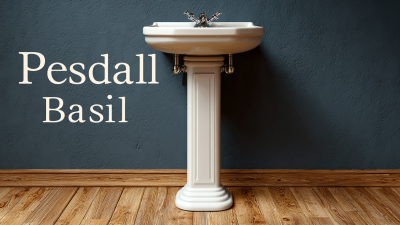
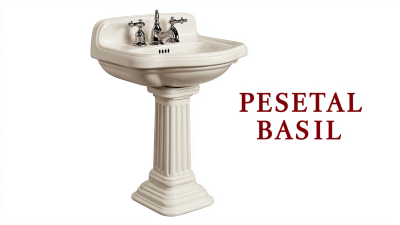
When considering a pedestal basin for your bathroom, understanding the different types available is crucial. Traditional pedestal basins have a classic appeal. They feature a separate base and bowl, providing a timeless look. This style suits vintage and traditional bathrooms beautifully. It's important to think about how these basins complement your overall design.
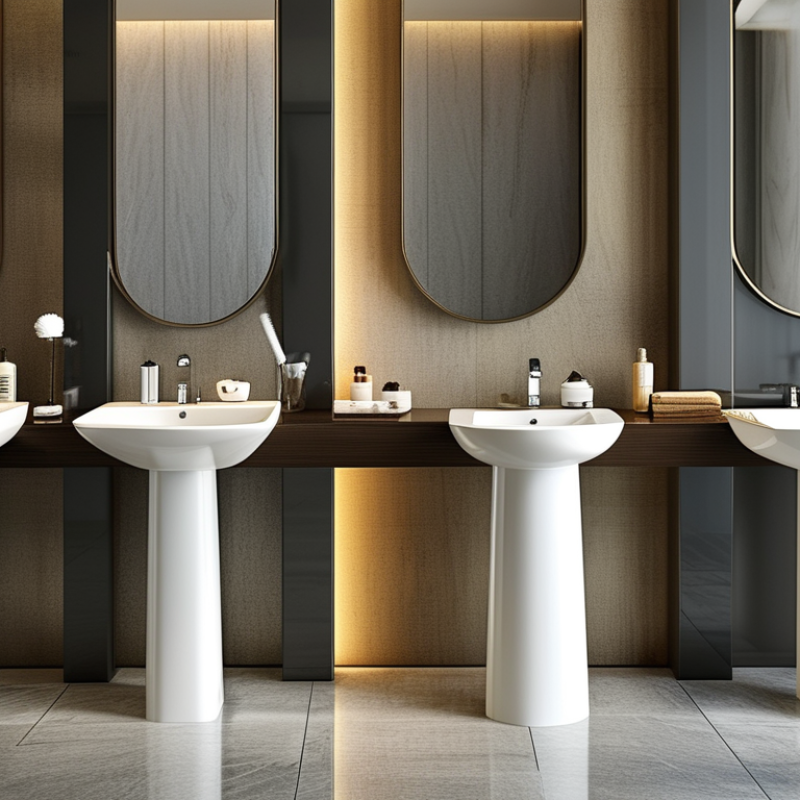
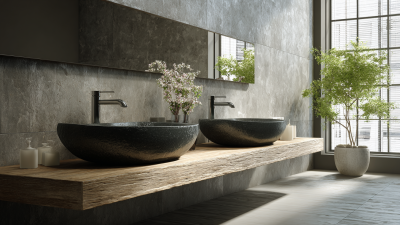
Modern pedestal basins offer sleek lines and contemporary aesthetics. These designs can be minimalist, often without decorative details. They work well in smaller spaces, giving an open feel. Some models even incorporate unique shapes, adding a bold statement to your decor. However, modern options may lack the character of traditional basins. This distinction is worth considering when choosing your style.
Functionality also varies among styles. For example, some pedestal basins come with limited storage options. This can be a drawback if you need space for toiletries. Other designs feature integrated shelves, enhancing practicality. You might face difficulties finding the right balance between style and function. Reflecting on how you use your bathroom will help in making the right choice.
Assessing Bathroom Space and Size Before Choosing a Basin
Choosing the right pedestal basin for your bathroom requires careful consideration of available space. Measuring the area where the basin will sit is essential. According to the National Kitchen and Bath Association, an average bathroom sink width is about 20 inches. However, some users find this size too large for compact spaces.
When assessing space, visualize the basin's proportions within the room. Make sure to leave enough room for movement around the basin. Ideally, you should have at least 30 inches of clearance in front of the pedestal basin. This ensures a comfortable experience when using the sink. Be mindful of plumbing fixtures and electrical outlets, as they can impact your layout.
**Tips:** Consider the height of the basin. The standard height ranges from 30 to 36 inches. It’s crucial that the height matches the users’ preferences. If everyone in your household is taller or shorter than average, look for options that adjust accordingly. Balancing aesthetics and functionality is key. A basin that looks great but is impractical can lead to daily frustrations. Reflect on your needs and those of your family before making a final choice. Efforts toward finding the perfect fit could save you from future inconvenience.
Selecting the Right Material for Durability and Style
When selecting a pedestal basin, material choice is crucial for both durability and style. Common materials include porcelain, ceramic, and natural stone. Porcelain offers a classic, glossy finish that is resistant to stains. However, it can chip easily if mishandled. Ceramic, while durable, is more prone to cracking. It’s essential to weigh the pros and cons of each material.
Natural stone basins, such as granite or marble, provide unique aesthetics. They are often more durable than ceramic and porcelain. According to a 2022 report from the National Kitchen and Bath Association, 45% of homeowners cite style as a top priority when choosing bathroom fixtures. This statistic underscores the importance of a basin that complements the overall bathroom design. However, natural stone requires more maintenance to prevent staining and water damage.
Keep in mind that not all materials are created equal. Some homeowners overlook the importance of water resistance in their choices. For instance, while quartz offers a non-porous surface, it can lack the visual warmth of natural materials. This leads to potential dissatisfaction later. It’s wise to consider both the initial appeal and long-term care required. Choosing the right material can significantly enhance your bathroom's look and longevity.
Considering Design Elements for Functional and Aesthetic Appeal
Choosing the right pedestal basin requires careful consideration of both function and aesthetics. The design of a basin doesn’t just impact the look of your bathroom; it plays a crucial role in usability. According to industry reports, over 70% of homeowners prioritize functionality when selecting fixtures. The height and size of the basin should accommodate all users comfortably. If the basin is too low or narrow, it can lead to discomfort over time.
Aesthetics also matter significantly. A well-designed pedestal basin can enhance the bathroom’s overall appeal. Reports from design experts emphasize that the color and material significantly influence the space's ambiance. Porcelain is a popular choice for its classic appeal, while more modern materials like glass or stone can add a contemporary edge. However, opting for trendy designs can be risky. Trends change rapidly, and what seems appealing today may feel outdated in a few years.
It's essential to strike a balance. The basin should complement existing decor while also being functional. Selecting a basin that fits well with your other elements—like faucets and tiles—is vital. Homeowners often overlook this, leading to designs that clash. Paying attention to these details can prevent regret after installation. Taking time to choose wisely pays off in the long run, ensuring both beauty and utility are in harmony.
Budgeting for Your Ideal Pedestal Basin and Installation Costs
When budgeting for your ideal pedestal basin, consider the initial costs and potential additional expenses. The price of the basin itself can vary significantly. Basic models may start around $100, while high-end options could exceed $500. This price range covers various materials and designs. Be realistic about your budget; the perfect choice might require more savings.
Installation costs are another crucial factor. Hiring a professional plumber can add $200 to $500 to your total expense. Factors like your location and plumbing requirements will influence this cost. If you are handy, DIY installation may save money, but it’s essential to understand the project’s complexity. Often, small mistakes in plumbing can lead to larger costs down the line.
Consider hidden costs as well. Accessories such as faucets, drainage systems, and additional fittings can add up. A beautiful basin can quickly become a financial burden if you don’t plan for these extras. Ultimately, achieving a balance between aesthetic appeal and practical budgeting is vital for a successful bathroom project.
How to Choose the Best Pedestal Basin for Your Bathroom? - Budgeting for Your Ideal Pedestal Basin and Installation Costs
| Feature |
Description |
Estimated Cost ($) |
| Material |
The most common materials include porcelain, ceramic, and vitreous china. |
100 - 500 |
| Size |
Available in various sizes; consider your bathroom layout before choosing. |
0 - 100 |
| Style |
Options such as modern, vintage, and traditional designs. |
50 - 250 |
| Installation Costs |
Costs incurred for plumbing, labor, and any additional materials needed. |
300 - 800 |
| Maintenance |
Regular cleaning and upkeep to prevent stains and damage. |
0 - 50 per year |