Leave Your Message

Top Free Standing Basin Manufacturers for Global Buyers

Global buyers comparing top Free Standing Basin manufacturers need more than attractive catalog images. They need products that fit real projects, shipping routes, and installation conditions. A basin may look elegant beneath warm showroom lighting, yet prove difficult to connect or maintain on site. Small details matter: drain position, tap-hole options, bowl depth, surface consistency, and protective packaging. Ask manufacturers for technical drawings, material specifications, warranty terms, and replacement-part support. Verify certifications against the requirements of the destination market; do not assume one document applies everywhere.

Industrial designer Dieter Rams offered a useful design principle: “Good design is as little design as possible.” It is a helpful lens, though not a basin-specific rule. For a Free Standing Basin, simplicity should make cleaning and installation easier, not conceal weak engineering. Compare ceramic, cast mineral, and solid-surface models by checking weight, finish, repair options, and care instructions. Request samples when color consistency matters. Then examine how the supplier handles lead times and damage claims. Price matters. So does follow-through. A polished product page cannot prove dependable service. Manufacturer rankings can guide a shortlist, but they cannot replace project checks. Even careful buyers may miss a mismatch between the basin, faucet, and waste fitting. That is worth admitting. The strongest choice is the one whose design, documentation, and support remain convincing after delivery.
Top Free Standing Basin Manufacturers for Global Buyers

What Defines a Freestanding Basin and Its Main Types

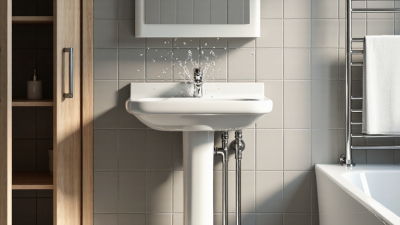
A freestanding basin is a washbasin designed to stand independently on the floor. Its plumbing usually runs through a central column or a concealed wall connection. Unlike a wall-mounted basin, it does not rely entirely on brackets for support. This structure creates a clean visual line, especially in spacious bathrooms. Buyers should check the basin’s height, footprint, waste outlet, and tap position before ordering. A beautiful shape can still create awkward splashing if the bowl is too shallow.

The main type is the pedestal basin, where a narrow support column carries the bowl and hides part of the pipework. A monolithic basin combines the bowl and base into one solid form. It often uses ceramic, stone resin, or solid surface material. Vessel-style freestanding basins place a raised bowl on a floor-standing cabinet or frame. These models offer storage but need careful coordination between countertop height and basin depth. Some suppliers also describe semi-pedestal designs as freestanding, although they may require wall support. That description deserves closer checking.

In factory inspections, I look for even glazing, stable feet, smooth drainage, and accessible service openings. Small details matter. A basin that rocks slightly may indicate an uneven base or poor installation tolerance. Ceramic models resist daily staining, while mineral-based surfaces can feel warmer and allow refined shapes. However, softer surfaces may show scratches more easily. Buyers should request technical drawings, installation instructions, load information, and replacement waste specifications. I have seen projects delayed because the drain location was assumed rather than measured. That mistake is simple, but surprisingly common.
How Global Buyers Evaluate Basin Manufacturers

Top Free Standing Basin Manufacturers for Global Buyers

Global buyers evaluate basin manufacturers beyond catalog images and low quotes. They examine material consistency, production controls, testing records, and export experience. Grand View Research estimated the global bathroom vanities market at over USD 42 billion in 2023, showing intense competition across sanitary products. Forecasts are useful, but not guarantees.

A serious evaluation begins with the basin itself. Request fired-ceramic test results, dimensional tolerances, glaze thickness, water absorption, and load performance. Ask for samples from regular production, not showroom pieces. A polished sample can still mislead.

Inspect the drain opening, overflow alignment, underside finish, and edge flatness under direct light.

Small defects become obvious after installation.

Factory reliability matters equally. The International Trade Centre reports that China, Italy, Türkiye, and several European economies remain major ceramic sanitaryware exporters, but export scale alone proves little. Review ISO 9001 procedures, batch traceability, inspection photographs, and corrective-action records.

Check packaging with a drop-test report and corner protection. Freight damage can erase a low unit price. Confirm lead times using the past six months of shipment records, where available.

Buyers should also compare mold ownership, replacement-part support, and communication speed. These details often separate dependable production from attractive promises.

No scorecard is perfect. A factory audit may miss problems during peak season. Use independent laboratory verification before approving large orders.

Leading Freestanding Basin Manufacturers and Their Strengths

Top Free Standing Basin Manufacturers for Global Buyers

Leading freestanding basin manufacturers distinguish themselves through controlled production, practical design, and responsive export service. Experienced buyers often inspect factory samples before reviewing a large catalog. They check the basin’s rim, drain opening, glaze consistency, and underside finish. Small defects become obvious under bright showroom lighting.

Reliable manufacturers usually offer ceramic, solid surface, or stone-based models with clear technical specifications. They explain dimensions, weight, water absorption, installation requirements, and packaging methods. Strong quality teams test surface hardness and inspect each unit before shipment. Wooden crates, corner protection, and moisture-resistant materials can reduce damage during long-distance transport. Still, packaging is not perfect. Buyers should request drop-test records and confirm replacement procedures.

Design flexibility is another important strength. Leading suppliers can adjust colors, tap-hole positions, overflow options, and carton markings for different markets. Their engineers should provide accurate drawings rather than attractive promises. Communication also matters. Fast replies are useful, but detailed answers matter more. A manufacturer that admits a production limitation may be more dependable than one claiming unlimited customization. During sourcing, I would compare sample quality, inspection reports, lead times, and after-sales support together. Price alone hides too much. A beautiful basin with uneven drainage can create costly complaints after installation.

Top Free Standing Basin Manufacturers for Global Buyers - Leading Freestanding Basin Manufacturers and Their Strengths

Manufacturer Specialization Typical Basin Materials Common Manufacturing Strengths Buyer Considerations Relevant Standards or Checks
Vitreous china and ceramic basin producers Glazed vitreous china or other fired ceramic bodies Established production methods; smooth, glazed surfaces; broad availability of shapes and finishes. Confirm dimensions, glaze quality, mounting details, packaging protection, and replacement-part availability. Ceramic products can chip or crack if struck or mishandled. Check applicable washbasin performance requirements, such as EN 14688 in relevant markets, and request product-specific test or conformity documents.
Natural-stone basin fabricators Stone such as marble, granite, or other locally available natural stone Distinctive natural veining and color variation; capacity to produce carved or block-style designs. Ask about stone type, sealing treatment, surface-care instructions, weight, and acceptable variation between pieces. Porosity and maintenance needs differ by stone. Verify basin dimensions, drainage geometry, finish consistency, and installation support requirements for the specific stone and design.
Solid-surface basin manufacturers Solid-surface materials, typically formulated from mineral fillers and resin binders Can support integrated, sculpted forms and coordinated colors; some solid-surface materials can be repaired or refinished according to the manufacturer’s instructions. Material composition and repair methods vary. Confirm heat and chemical-care guidance, finish options, color consistency, and warranty coverage. Request material-specific technical data and test documentation; do not assume that properties are identical across formulations.
Cast mineral-composite basin manufacturers Cast composites made with mineral content and a binder; formulations vary by producer Molding can produce consistent shapes and contemporary profiles; some ranges offer matte or stone-like finishes. Compare composition, surface coating, repairability, weight, and care requirements. Ask whether the finish is integral or applied as a coating. Review product-specific performance tests and installation instructions, including support and waste-fitting compatibility.
Custom and project-focused basin producers Ceramic, stone, solid surface, or composite, depending on the project May accommodate project-specific dimensions, colors, finishes, or coordinated bathroom designs, subject to production capability and minimum order quantities. Confirm approved drawings, sample sign-off, lead times, tolerances, export packaging, spare units, and responsibility for any custom tooling. Check that the final product—not only a material sample—meets the destination market’s applicable requirements and the project specification.

Note: These are material and capability categories, not rankings of individual suppliers. EN 14688 is a European standard covering functional requirements and test methods for washbasins; applicable requirements vary by destination market and product.

Comparing Materials, Design Options, and Quality Standards

Top Free Standing Basin Manufacturers for Global Buyers

Material choice shapes both performance and appearance. Ceramic remains popular because it resists stains, moisture, and daily cleaning chemicals. Solid surface offers seamless edges and flexible colors, but it may scratch more easily. Natural stone creates visual weight, although porous surfaces need regular sealing. The 2023 Global Plumbing Products study by Freedonia identifies replacement demand and water efficiency as major market drivers. That matters for basin selection. A stylish basin still needs stable mounting, compatible waste fittings, and a reliable overflow design.

Design options now include thin-rim bowls, sculptural vessels, integrated countertops, and compact pedestal forms. Buyers should inspect wall thickness, glaze consistency, drainage speed, and dimensional tolerance. The ISO 9001 quality framework supports traceable production, but certification alone does not guarantee excellent workmanship. Ask for batch inspection records and a sample before placing a large order. This is where many purchasing teams move too quickly. Finish samples can look different under warm showroom lighting.

Tips: Compare the basin with the faucet, tap height, and countertop depth. Check installation drawings in millimeters. Request test evidence for water absorption, load resistance, and surface durability. EN 14688 provides relevant performance requirements for sanitary appliances in European markets, while local plumbing rules may differ. A manufacturer with clear documentation is usually easier to evaluate. Not always, though. Real factory communication still matters. Suppliers should explain acceptable color variation, replacement procedures, packaging protection, and inspection points before shipment.

How to Verify Suppliers for International Projects

Top Free Standing Basin Manufacturers for Global Buyers

How to Verify Suppliers for International Projects

Choosing a freestanding basin supplier requires more than comparing catalog prices. Request a registered company profile, factory address, production photos, and recent project references. The legal company name should match invoices, contracts, and bank details. A polished website proves little.

Ask for technical drawings with basin dimensions, wall thickness, drain position, overflow design, and material grade. Request test reports for water absorption, load resistance, surface durability, and color consistency. For ceramic products, inspect glaze quality under strong light. For stone or composite basins, check sealing methods and repair procedures. Small details often create expensive installation problems.

Order a pre-production sample before approving volume production. Measure it yourself, including the drain opening and base stability. Confirm packaging through drop-test records, corner protection, and moisture barriers. Clarify lead times, inspection points, replacement terms, and responsibility for transit damage. Independent inspection can verify quantity and visible defects before shipment. Keep every agreement in writing.

References should come from comparable international projects, not only local buyers. Speak with at least two former customers. Ask whether shipments arrived on time and matched approved samples. No checklist is perfect. I would still allow room for unexpected glaze variation or delayed documentation. A second inspection is often cheaper than one failed container.