Top 5 Dual Flush Toilet Benefits You Must Know?
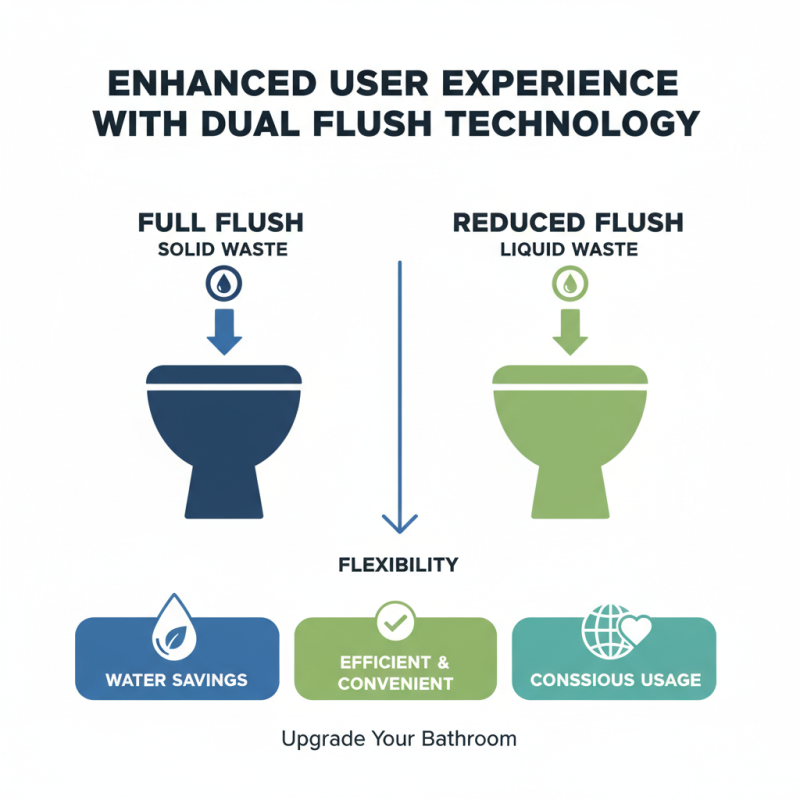
In recent years, the Dual Flush Toilet has gained popularity among environmentally conscious consumers. This innovative design offers two flushing options: a full flush for solid waste and a partial flush for liquid waste. Choosing a Dual Flush Toilet can lead to significant water savings. Many households are looking for ways to reduce their water bills and lessen their ecological footprint.
Water scarcity is an increasing concern worldwide. By adopting a Dual Flush Toilet, families can contribute to water conservation efforts. Often, outdated toilets waste excessive amounts of water with each flush. In contrast, modern dual-flush systems are designed for efficiency. They can use up to 67% less water compared to traditional models.
Some users, however, may initially struggle with the flushing mechanism. The learning curve can be challenging. Familiarizing oneself with the features of a Dual Flush Toilet will enhance the user experience. It’s essential to be patient during the adjustment period. Overall, understanding the benefits of a Dual Flush Toilet can lead to smarter, more sustainable choices in the bathroom.
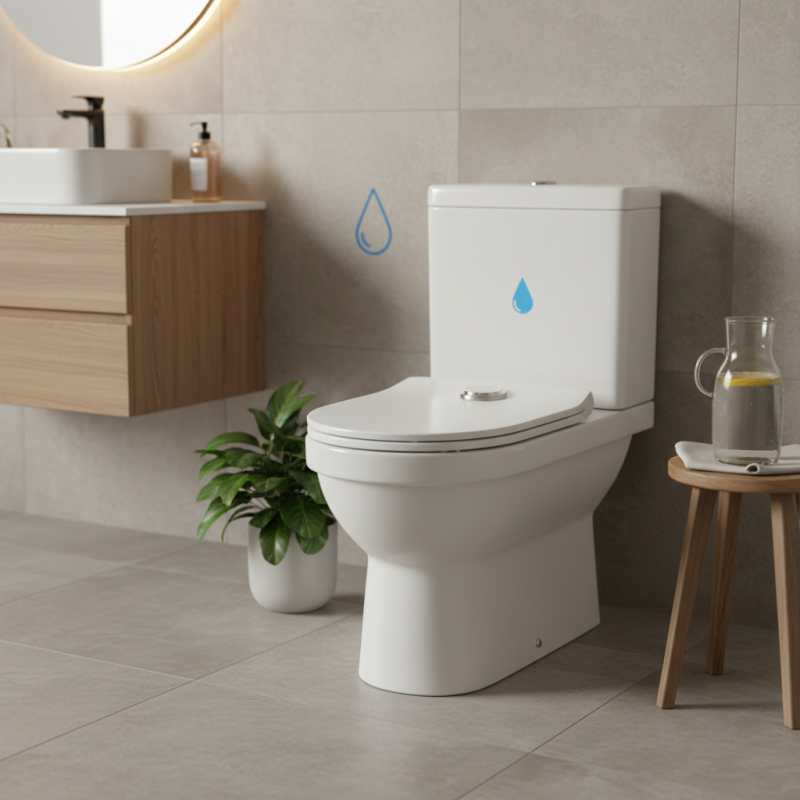
Understanding Dual Flush Toilets and Their Mechanism
Dual flush toilets have gained popularity for their innovative design and efficiency. Understanding how they work is essential to appreciating their benefits. These toilets feature two buttons or a lever, allowing users to choose between a full or reduced flush. The full flush typically uses 1.6 gallons, while the reduced flush can use as little as 0.8 gallons. This dual mechanism helps save water without compromising performance.
The technology behind dual flush toilets relies on simple engineering principles. A dual flush system allows users to make conscious choices about water usage. It’s a thoughtful way to reduce waste in everyday life. Many homeowners find that switching to a dual flush toilet can lead to significant savings on water bills. However, installation can sometimes be tricky. It’s vital to ensure the plumbing is compatible and that the toilet is positioned correctly.
Though these toilets are efficient, they can require a learning curve. Some users might forget which button to press, causing confusion. There’s also the occasional issue of improper flushing if the toilet is not maintained well. Regular inspection of the flush mechanisms is necessary for optimal performance. Users should be prepared for minor repairs to maintain efficiency over time.
Water Conservation Benefits of Dual Flush Toilets
Dual flush toilets offer significant water conservation benefits. According to the Environmental Protection Agency (EPA), these toilets can save approximately 67% more water than traditional single flush models. This is crucial for regions facing water scarcity. By using two flush options, users can select a lower volume for liquid waste, conserving precious resources.
Moreover, a study published in the Journal of Waste Management indicates that dual flush toilets reduce overall household water usage by an average of 30,000 gallons per year. This not only supports environmental sustainability but also leads to lower water bills. However, users often struggle to choose the correct flush, which can undermine these savings. Proper education and awareness about usage can enhance efficiency.
While the initial investment in a dual flush toilet may be higher, the long-term benefits outweigh the costs. It’s essential to consider the environmental impact and financial savings. Users must reflect on their flushing habits to maximize these benefits. Awareness is key to ensuring that dual flush toilets achieve their intended conservation goals.
Cost Savings Over Time with Dual Flush Toilets
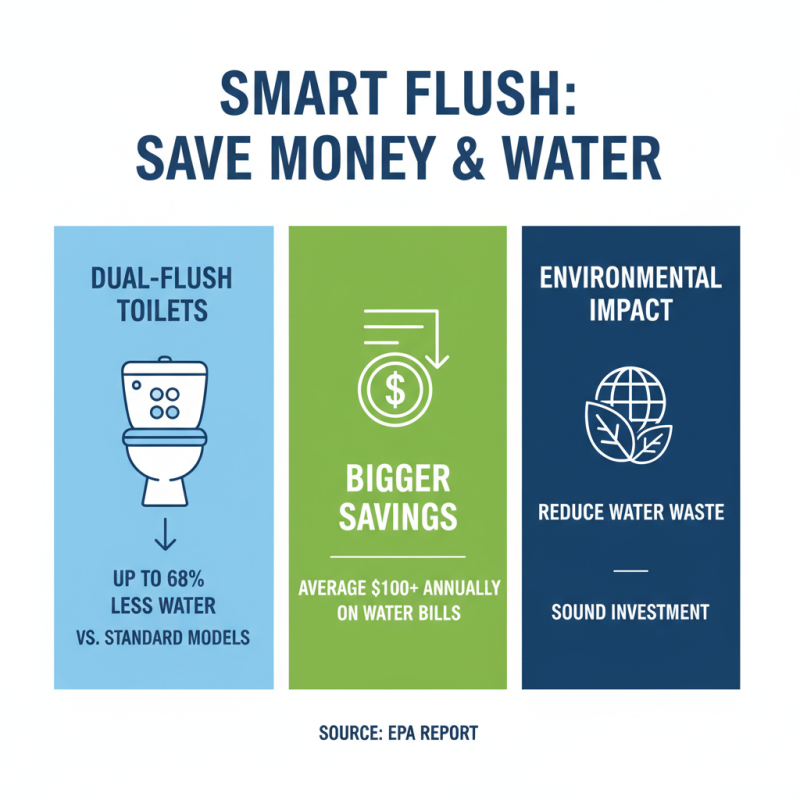
Dual flush toilets are becoming increasingly popular due to their significant cost savings over time. According to a report by the Environmental Protection Agency (EPA), these toilets can reduce water usage by up to 68% compared to standard models. This reduction translates into lower water bills. The average household can save around $100 annually on water, making dual flush toilets a sound investment.
Additionally, water conservation has become critical in regions facing drought. A dual flush system gives users the option of a lower flush for liquid waste and a fuller flush for solid waste. This flexibility allows households to use only the necessary amount of water. Recent studies show that cities that promote dual flush toilets have seen a notable decrease in overall water consumption. However, many homeowners still hesitate to switch due to the initial purchase costs.
While these toilets pay off in the long run, some installation challenges can arise. Proper installation is crucial for functionality. Additionally, not all dual flush toilets perform equally well in terms of efficiency. Some users express concerns about flushing power with lower water volumes. Finding the right balance between conservation and effectiveness often requires research and consideration. This dynamic speaks to an evolving landscape where awareness is key to making informed choices.
Environmental Impact and Sustainability of Dual Flush Toilets
Dual flush toilets have gained popularity due to their environmental impact and sustainability. They are designed to use less water compared to traditional toilets. This feature is vital, given that water scarcity is an emerging global concern. A dual flush system typically allows for two flushing options: one for liquid waste and another for solid waste. This flexibility can save up to 67% more water per flush.
Switching to a dual flush toilet can drastically reduce household water usage. The average person flushes the toilet multiple times a day. By opting for the lower flush option when possible, each household can save thousands of gallons annually. This not only lowers water bills but significantly reduces the stress on municipal water systems. However, not all dual flush systems operate flawlessly. Users may sometimes experience confusion regarding which button to press.
Sustainability is at the heart of using dual flush toilets. The reduction of fresh water usage directly contributes to a greener planet. Nevertheless, it's important to remember that technology alone cannot solve water issues. Proper education about how and when to use these toilets is essential. In some cases, a lack of awareness can lead to ineffective use, negating their benefits. Awareness and encouragement are crucial in maximizing their potential impact.
Top 5 Dual Flush Toilet Benefits You Must Know
| Benefit |
Description |
Environmental Impact |
Sustainability |
| Water Conservation |
Uses less water for liquid waste, saving up to 67% compared to standard toilets. |
Reduces water extraction from sources, aiding ecosystems. |
Promotes responsible water usage in homes. |
| Cost Savings |
Lower water bills due to reduced water consumption. |
Helps in decreasing municipal water treatment costs. |
Encourages green building practices. |
| Increased Comfort |
Offers dual flush options for tailored flushing experience. |
Less water wasted improves bathroom hygiene. |
Enhances user satisfaction in public facilities. |
| Pollution Reduction |
Less water usage leads to lower sewage processing requirements. |
Decreases the impact on local waterways. |
Supports cleaner urban environments. |
| Long-lasting Quality |
Typically made from durable materials, leading to fewer replacements. |
Less waste from discarded toilets. |
Contributes to long-term sustainability goals. |