How to Choose an Aluminium Vanity in 2026?
Choosing an Aluminium Vanity in 2026 means weighing more than appearance. The right model should suit your room, plumbing layout, and daily routine. Measure the wall, basin, door swing, and available clearance before comparing styles. Small details matter. A drawer that catches on a towel rail can become irritating fast.
Aluminium is lightweight and generally handles humid bathroom conditions well, but performance depends on the alloy, fabrication, protective coating, and installation. Check the finish for even coverage, clean edges, and secure joints. Ask the supplier about material specifications, care instructions, warranty terms, and replacement parts. These details offer better guidance than a product photo alone. A matte surface may hide water marks better than a glossy one, though lighting and local water conditions can change what you notice. There is no perfect finish.
This guide will help you compare size, storage, basin compatibility, finish, and construction before you buy. It will also consider installation needs and long-term upkeep, including access to plumbing and ventilation around the cabinet. Do not choose by price alone. A low-cost unit may still be a sensible option, but unclear specifications deserve a closer look. I would not assume every aluminium cabinet is equally durable. Compare the actual details, then decide what matters most in your bathroom.
Assess Your Bathroom Space, Layout, and Storage Needs
How to Choose an Aluminium Vanity in 2026?
Assess Your Bathroom Space, Layout, and Storage Needs
Start with the bathroom’s usable floor area, not just the wall where the vanity will sit. Measure the wall, nearby door swing, and distance to the toilet or shower. A cabinet that fits on paper may still make the room awkward to move through. Leave enough clearance for drawers and cupboard doors to open fully. Measure twice.
Check where the plumbing sits before choosing a vanity width or basin position. Pipes, floor outlets, and wall-mounted taps can limit installation options or reduce space inside the cabinet. Note any uneven walls, too. They can leave visible gaps beside a fitted unit. A few millimetres matter. If measurements feel uncertain, recheck them with the doors and drawers open; it is an easy step to rush.
Think about what you actually store. Count daily-use items such as towels, hair tools, and cleaning supplies, then consider whether drawers, shelves, or a tall side cabinet will suit them. Deep drawers can make small items easier to reach, while open shelves need regular tidying. Aluminium can be practical in humid bathrooms, but hinges, drawer runners, and finishes still deserve close inspection. One detail is easy to overlook: a compact vanity may save floor space yet leave too little counter room for a soap dispenser or toothbrush cup. Decide which trade-off you can live with.
Compare Aluminium Grades, Finishes, and Corrosion Resistance
How to Choose an Aluminium Vanity in 2026?
Aluminium grades affect strength, formability, and resistance to moisture. For many bathroom cabinets, 5052 aluminium offers a useful balance and handles damp conditions well. 6061 is stronger, but its properties and fabrication needs may make it less suitable for every design. Ask for the exact alloy, not just “marine grade.” That phrase alone tells you little about the finished cabinet.
The finish matters as much as the metal. Anodising creates a durable surface layer and keeps a clean, metallic look. Powder coating offers more colour choices, but chips can expose the aluminium beneath. Inspect corners, drilled holes, and the underside of shelves. Small details matter. Poorly protected edges can collect water and show wear sooner, even when the main panels look flawless.
Corrosion resistance also depends on construction and care. Look for sealed joints, drainage that does not trap water, and hardware made from compatible materials. Mixed metals can corrode faster when moisture bridges them. Wipe away standing water and use a mild cleaner; harsh abrasives can dull coatings. No grade makes a vanity maintenance-free. It is easy to overvalue alloy names and overlook the finish, edges, and daily bathroom conditions. Check the edges before you decide.
Choose the Vanity’s Size, Configuration, and Installation Type
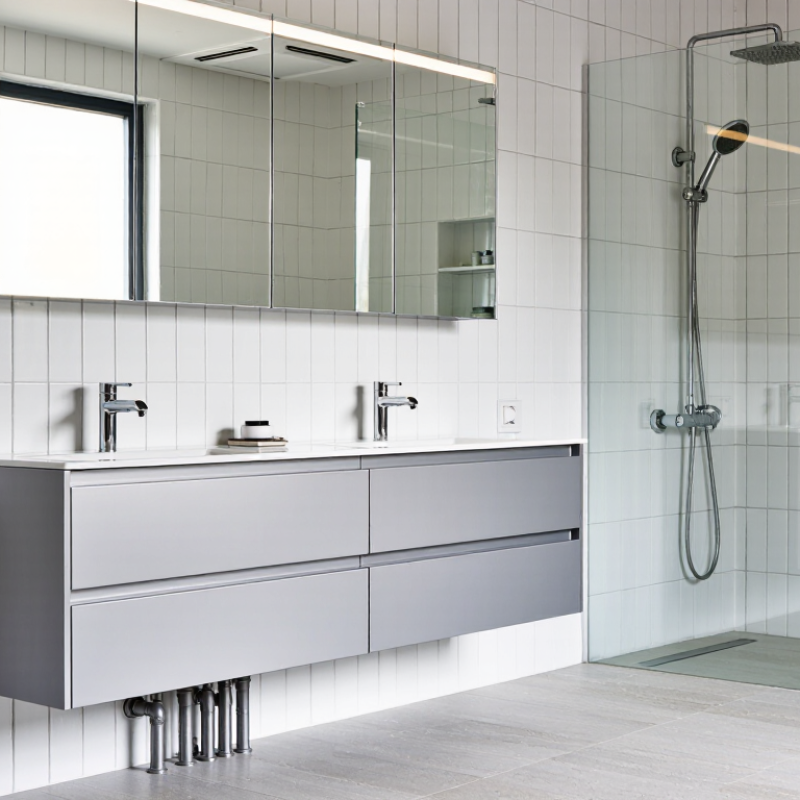
When choosing an aluminium vanity in 2026, measure the available wall and floor space before comparing styles. Allow room for the door to open and for comfortable movement past the cabinet. A narrow bathroom may suit a compact, shallow unit, while a wider room can accommodate more counter space. Measure twice. Check the basin position against existing plumbing; even a small mismatch can add installation work. A double-sink layout is useful for shared bathrooms, but only if both users have enough elbow room.
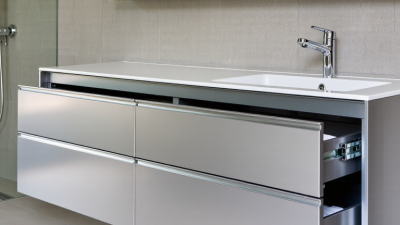
Choose a configuration that fits daily routines. Drawers keep toiletries visible and easy to reach, while cupboard doors can suit taller bottles or cleaning supplies. Wall-mounted vanities leave more floor visible and can simplify cleaning, but the wall needs suitable structural support. Freestanding units are often easier to position around existing pipework. Confirm the floor is level and that the plumbing remains accessible. An aluminium cabinet resists bathroom moisture, but its finish and fittings still need regular care.
Tips: Use masking tape to mark the vanity’s outline on the floor. Stand in front of it and test drawer clearance. For wall-mounted models, ask a qualified installer to check the fixing points and wall support. Recheck measurements after choosing the basin; I’ve seen plans change at that stage.
Evaluate Hardware, Basin Compatibility, and Maintenance Requirements
An aluminium vanity can suit a damp bathroom, but the frame alone does not guarantee long service. Check the hinges and drawer runners closely. Corrosion-resistant fittings are preferable, especially near a shower. Open each drawer fully and listen for scraping or rattling. Smooth movement matters more than a fancy soft-close feature. Look for adjustable hinges, too; uneven floors can make cabinet doors drift out of line.
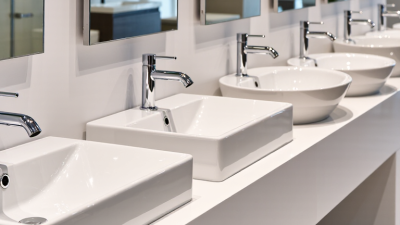
Basin fit needs careful measuring. Record the basin’s width, depth, tap-hole position, and waste outlet location, then compare them with the cabinet cutout and internal clearance. A basin that overhangs too far may leave awkward gaps. There is no universal fit. Bring the measurements to the seller, and confirm the plumbing can reach without sharp bends. Easy to miss.
Maintenance should be simple, but not ignored. Wipe standing water with a soft cloth and mild soap, then dry the edges and handles. Avoid abrasive pads that can mark the finish. Check seams and corners occasionally for lifting coating or trapped moisture. Aluminium resists rust, yet fittings and nearby materials may not. One detail buyers sometimes overlook: metal cabinets can sound hollow, and condensation may collect underneath. I would not choose by appearance alone; a slightly less polished unit with accessible fittings can be easier to live with.
Compare Prices, Warranties, and Supplier Standards in 2026
In 2026, compare aluminium vanities by their full installed cost, not just the cabinet price. Check whether the basin, tap, waste kit, and mounting hardware are included. A low quote can change quickly once delivery and installation are added. Small details matter. Measure the wall, pipe positions, and door clearance before ordering; a few centimetres can cause an expensive mismatch.
Read warranty terms side by side. Check how long the frame, surface finish, hinges, and drawer runners are covered, since these parts may have different limits. Ask what the warranty excludes, such as damage from incorrect installation or harsh cleaning products. Keep the written terms and your order details. A long warranty sounds reassuring, but clear coverage and a practical claims process are more useful.
Supplier standards deserve the same attention as price. Request the aluminium grade, finish description, care instructions, and any available test or quality-control documents. Ask how the unit is packed to protect corners and coated surfaces during delivery. I still find a polished product photo persuasive, which is not always sensible. Compare actual specifications, and get unclear promises in writing before paying.
How to Choose an Aluminium Vanity in 2026
Compare written prices, warranty terms, and supplier standards—then consider how the vanity’s material affects weight.
What this shows: Aluminium’s typical density is much lower than steel’s, which can make aluminium cabinetry lighter. Actual vanity weight also depends on design, alloy, thickness, and fittings. For a fair supplier comparison, request itemised like-for-like quotes, confirm warranty coverage and exclusions in writing, and verify any claimed quality or corrosion-testing standards.
Typical material densities; values vary by alloy and grade. Source: Engineering ToolBox, Metal Alloys—Densities.