Choosing a Bathroom Cabinet for global sourcing requires more than comparing catalog prices. Buyers must evaluate construction, moisture resistance, supplier reliability, packaging, and regional requirements. A cabinet may look elegant in a showroom, yet fail after months of humidity exposure. Small details matter, including edge sealing, hinge quality, drawer alignment, and wall-mounting hardware.
Practical sourcing begins with a clear product brief. Define the cabinet’s dimensions, material, finish, basin compatibility, storage layout, and target market. Moisture-resistant plywood may perform better than ordinary particleboard in damp bathrooms. However, material claims should be verified through technical documents, samples, and production inspections. Ask suppliers for test reports, factory photographs, and references from comparable export projects. A low price is not useful if warped panels create returns, delays, or installation complaints.
The supply chain deserves equal attention. Confirm carton strength, foam protection, labeling, replacement parts, and loading methods before placing a large order. Check applicable safety, chemical, and electrical requirements for the destination market, especially when mirrors, lighting, or powered components are included. Local regulations can differ widely, so professional compliance advice remains valuable. Do not trust polished samples alone. One overlooked detail can become expensive. I have found that early assumptions often need revision after real bathroom testing. A reliable decision combines hands-on inspection, measurable specifications, transparent communication, and realistic cost planning. This approach helps global buyers select a Bathroom Cabinet that survives transport, installation, and daily use.
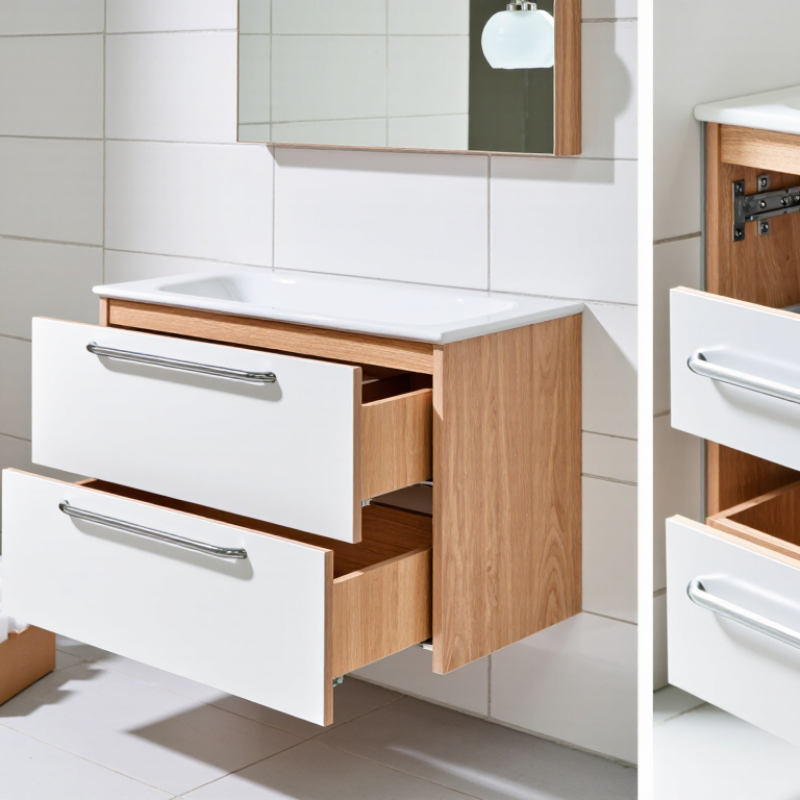
Before contacting suppliers, define the cabinet’s working environment. Measure the available wall, plumbing points, door clearance, and installation height. Record the required width, depth, basin position, and storage capacity. A cabinet may look compact online but feel bulky in a narrow bathroom.
Specify materials according to moisture, cleaning habits, and expected service life. Note the preferred board type, surface finish, hardware, mirror features, and color tolerance. Confirm packaging needs, carton dimensions, shipping quantity, and acceptable defect levels. Local building rules may affect electrical parts, wall fixing, and material safety. Requirements should be measurable, not based on vague terms like “premium” or “strong.”
Tips: Prepare a product brief with drawings, photos, tolerances, and inspection points. Ask suppliers for material samples and recent test documents. Request a pre-production sample before confirming volume. Check how edges, hinges, and drain openings perform after repeated use. Keep a written record of every revision. A spreadsheet helps, but it can still miss real bathroom conditions. Steam, splashes, and uneven walls often expose weak assumptions. Leave room for adjustment, because the first specification is rarely perfect.
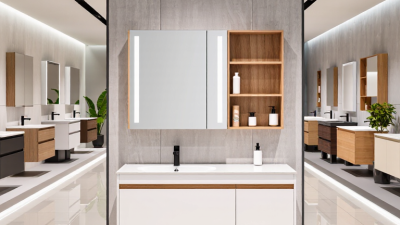
Material selection should match climate, use, and shipping conditions. Solid wood offers repairability, but it can expand in humid bathrooms. Moisture-resistant plywood usually provides more dimensional stability. Medium-density fiberboard creates a smooth painted finish, yet damaged edges are difficult to repair.
The U.S. Environmental Protection Agency reports that indoor pollutant levels can be two to five times higher than outdoor levels, so low-emitting panels and certified finishes deserve attention.
Ask suppliers for formaldehyde test documents, not vague “eco-friendly” claims.
Construction details often separate a reliable cabinet from an attractive sample. Check sealed edges, adjustable hinges, corrosion-resistant hardware, and drawer load ratings.
A 2024 Houzz bathroom study surveyed nearly 2,000 homeowners and found that storage upgrades remain a common renovation priority. That supports deeper drawers, removable organizers, and full-extension runners.
Wall-hung cabinets simplify floor cleaning and can make a compact room feel larger. However, they require stronger wall fixing and accurate installation points.
A beautiful floating cabinet may fail on weak partitions.
Function matters during daily use. Soft-close doors reduce impact noise, while integrated cable routes support lighting or charging features. Confirm plumbing clearance before fixing drawer dimensions.
Packaging also needs testing; ISTA laboratory procedures can reveal damage risks through vibration, compression, and drop testing.
I have seen a cabinet pass visual inspection but arrive with chipped corners.
The lesson is uncomfortable: Factory photos prove little. Compare material samples, construction drawings, test reports, and replacement-part policies before approving global production.
A dependable supplier should provide more than attractive product photos. Request a factory profile, ownership details, production address, and recent quality records. Ask whether certificates cover the actual factory and cabinet materials. ISO 9001 can indicate a controlled quality system, but it does not guarantee perfect products. For wood-based panels, check formaldehyde test reports and responsible-sourcing documents when required. Confirm testing dates, laboratory names, product models, and destination-market requirements. Documents should be verifiable, not merely scanned attachments.
Production capability deserves a physical review or independent audit. Examine panel cutting, edge sealing, drilling, painting, assembly, and final inspection. Look for clean storage areas and labeled components. Moisture-resistant boards need consistent sealing around sinks and exposed edges. Ask how defects are recorded and corrected. A supplier should explain monthly capacity, peak-season limits, minimum order quantities, and realistic lead times. Samples should match mass production standards. They often do not.
I have learned that a polished sample can hide weak process control. Require a pilot order with agreed inspection points. Check drawer alignment, hinge movement, surface color, odor, packaging strength, and installation instructions. Review carton drop-test results for long-distance shipping. Request batch traceability for hardware and panels. A supplier who answers slowly may still produce well, but unclear answers create purchasing risk. My own mistake was trusting a certificate without checking its scope. That small oversight caused costly rework. Ask precise questions, record every response, and compare evidence with factory conditions.
A bathroom cabinet must survive humidity, repeated cleaning, and uneven installation walls. Global market pressure makes sample verification essential. Grand View Research estimates the global bathroom vanities market will expand steadily through 2030, increasing competition among suppliers. I never approve a catalog image alone. I request a production sample with the proposed board, finish, hinges, drawer slides, and packaging. Check the cabinet after 48 hours in high humidity. Look for swollen edges, peeling laminate, loose joints, and misaligned doors. Small defects often become expensive claims.
Quality standards should match the destination market. Ask whether the factory operates an ISO 9001 quality system, then verify its current certificate and scope. For storage furniture, EN 14749 offers useful performance guidance in European sourcing. In the United States, confirm panel compliance with TSCA Title VI when engineered wood is used. Test water resistance, load capacity, coating adhesion, and hardware cycle performance. Reports from the National Kitchen & Bath Association continue to show strong consumer interest in durable, functional bathroom upgrades, but durability claims still need evidence. Certification alone is not proof.
Tips: Write acceptance criteria before ordering. Measure moisture resistance, drawer clearance, and color tolerance. Request a signed inspection report with photographs. Confirm customization limits, including sizes, drilling positions, handles, finishes, and carton labels. Ask for a revised sample after changes. Do not assume the second sample is perfect. I once overlooked a two-millimeter gap near the sink cutout; installation exposed it immediately. Allow room for honest correction.
Choosing a bathroom cabinet for global sourcing requires more than comparing catalog prices. Start with a complete cost sheet. Include the cabinet, basin, hardware, packaging, inspection, freight, duties, and local delivery. A low factory price can become expensive after fragile stone tops need reinforced crates. Request a clear quotation with material thickness, finish, dimensions, and replacement terms.
Shipping conditions deserve practical testing. Ask for carton drop-test results and photos of internal protection. Moisture-resistant board may still swell if edges are poorly sealed. Confirm container loading plans, pallet sizes, and estimated transit time. I once trusted a supplier’s “ready to ship” estimate, but production finished twelve days late. That assumption failed. Build a buffer into your launch schedule.
Compliance should be checked before placing a deposit. Review chemical restrictions, electrical requirements for illuminated cabinets, packaging rules, and documentation required in the destination market. Ask for recent test reports, not general claims. Samples should match mass production in color, drilling position, drawer movement, and odor. Keep signed specifications and inspection records. After-sales support also needs measurable terms: response time, spare-part availability, replacement procedures, and responsibility for transit damage. A few spare hinges and drawer runners can prevent lengthy disputes. Still, overseas claims are rarely effortless. Define evidence requirements, communication channels, and settlement timelines in writing. Be willing to revise your checklist after the first shipment.