How to Choose the Best Above Counter Basin for Your Bathroom?
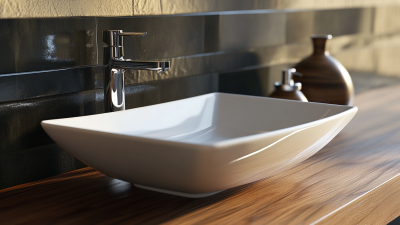
Choosing the right above counter basin can significantly enhance your bathroom's aesthetic. This unique basin style sits atop the countertop, creating a modern and elegant look. Many homeowners appreciate the convenience and functionality it offers. However, selecting the best one can be daunting.
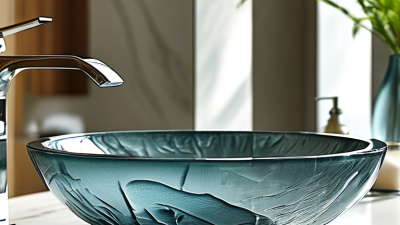
There are various factors to consider. You need to think about materials, shapes, and sizes. Each option brings different vibes. A ceramic basin feels classic and timeless, while glass adds a contemporary touch. Unfortunately, some may overlook these details until it’s too late.
Believe it or not, the height and depth of the basin matter too. An improperly sized basin can lead to discomfort during daily use. This choice isn’t just about style; it’s about practicality as well. The above counter basin must fit your personal needs and complement your bathroom design. Reflecting on your choices will help create a space you'll love for years to come.
Understanding the Different Types of Above Counter Basins Available
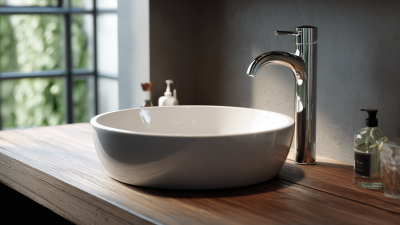
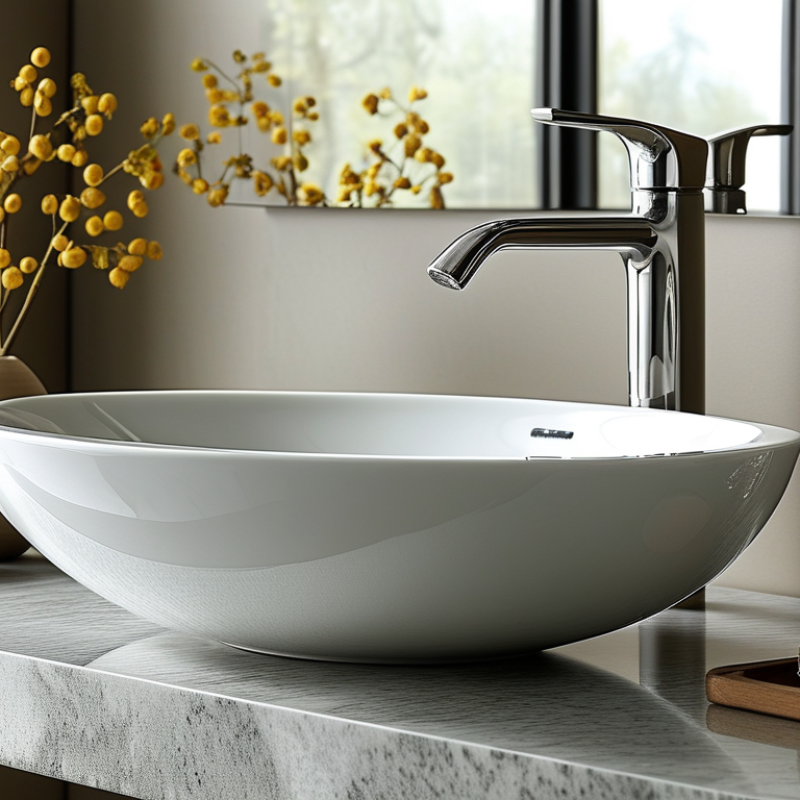
When selecting an above counter basin for your bathroom, understanding the different types is crucial. Above counter basins come in various materials such as ceramic, glass, and stone. Each material offers unique benefits and aesthetics. For example, ceramic basins are durable and easy to clean, making them a popular choice. According to a recent industry report, ceramic remains the leading material for bathroom fixtures, accounting for approximately 40% of the market share.
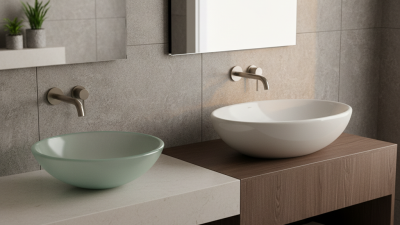
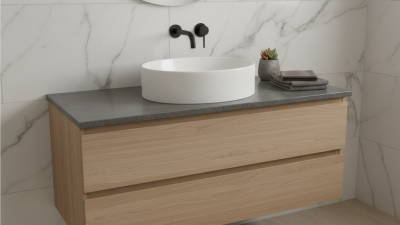
There are different shapes to consider as well. Round, rectangular, and oval basins each provide distinct looks and functionality. Round basins can create a soft, modern vibe, while rectangular options often offer a more contemporary aesthetic. A study showed that 35% of homeowners prefer rectangular basins due to their versatility in design. However, it's important to assess how these shapes fit with your overall bathroom theme.
Installation types also vary, affecting usability and maintenance. Some basins require additional support or specific faucet heights. A common issue arises when buyers overlook these details, leading to inconvenience later on. Ensuring that your chosen basin matches your plumbing and space can save future headaches. Ultimately, careful evaluation of materials, shapes, and installation requirements will aid in making an informed decision.
Key Factors to Consider When Choosing an Above Counter Basin
Choosing the right above counter basin for your bathroom can greatly impact both aesthetics and functionality. Key factors like material, size, and style should be taken into account. Industry reports indicate that nearly 60% of homeowners prioritize durability, with ceramic and glass being top choices due to their longevity. A well-chosen basin not only serves a practical purpose but enhances the overall design of the bathroom.
Material options vary widely, each with its benefits. Porcelain is popular for its easy maintenance, while stone basins offer a unique, natural look. However, stone can be heavier and may require additional support. When selecting size, ensure the basin fits well with your countertop dimensions. A basin that is too large can overwhelm small spaces, while tiny basins might feel out of place in more expansive areas.
Consider these aspects while shopping. Always visualize how the basin complements existing fixtures. Pay attention to the installation requirements. Some designs may need professional installation, leading to extra costs. Measure your space and factor in plumbing locations. Ultimately, the goal is to find a basin that meets your practical needs while resonating with your bathroom’s style. Balancing these elements can be challenging, but the right choice adds lasting value to your home.
Materials and Styles: Matching Your Basin to Your Bathroom Decor
Choosing the right materials and styles for your above counter basin is crucial for defining your bathroom's aesthetic. According to the National Kitchen & Bath Association, 75% of homeowners prioritize style and design in bathroom renovations. A well-chosen basin can elevate the overall decor, creating a beautiful and functional space.
Ceramic and porcelain are popular materials known for their durability and ease of maintenance. They offer a wide range of colors and finishes, making them versatile for different themes. In contrast, glass basins add an elegant touch, reflecting light and creating a spacious feel. However, they require more upkeep to maintain their clarity and avoid scratches.
Pairing your basin with the right faucet can also enhance your design. A minimalist basin can be paired with sleek, modern faucets for a cohesive look. Alternatively, a vintage-style basin can be complemented with ornate, antique faucets. Statistics show that mismatched designs can detract from the overall experience, leading to dissatisfaction. Balancing aesthetics with practicality is essential. Reflecting on your choices can help refine your bathroom's appeal, ensuring every detail aligns with your vision.
Measuring Space: Ensuring the Perfect Fit for Your Basin
When selecting an above counter basin, measuring your space is crucial. A well-fitting basin not only enhances aesthetics but also ensures functionality. According to industry reports, more than 30% of homeowners overlook the importance of precise dimensions. They end up with basins that are too large or too small, resulting in a crowded or underutilized space.
To start, measure your countertop's width and depth. It's advisable to leave at least 15 to 20 inches of counter space on either side of the basin. This allocation allows for usability and accessibility. Industry research indicates that a basin with a diameter of 16 to 22 inches works best for most configurations. However, it’s worth noting that smaller or larger dimensions can sometimes lead to design challenges. Assess the placement of other bathroom fixtures too, as these can impact your choice.
Remember to account for the height of the basin as well. Standard heights range from 5 to 7 inches. Aim for a comfortable height that aligns with your faucet setup. Many people find taller basins inconvenient when washing hands. Balancing aesthetics with practicality can be tricky, but careful measurements can lead to a better overall design. Prior planning pays off in the long run.
Installation Tips for Above Counter Basins: A Step-by-Step Guide
Installing an above counter basin can transform your bathroom. To begin, ensure proper planning. Measure your countertop and choose a basin that fits well. The height of the basin is crucial for comfort. A study from the National Kitchen & Bath Association indicates that a height between 30 to 36 inches is ideal for most users. This dimension ensures accessibility while enhancing the overall aesthetic.
Next, prepare for the installation. Begin by marking the basin's position on the countertop. Cut out the opening based on the manufacturer’s specifications. Ensure the edges are smooth to avoid any sharp areas. Proper handling of plumbing is essential. Connect the drain before securing the basin. Use waterproof sealant to prevent leaks and ensure durability. A 2022 report shows that 40% of bathroom leaks stem from improper installations. Neglecting these steps can lead to future issues.
Lastly, once the basin is installed, check for stability. It's vital to allow the sealant to cure fully. This process might take up to 24 hours. Regular maintenance can prolong the basin's life. Clean it with non-abrasive materials to avoid damage. Reflecting on the installation process can lead to improvements in technique for future projects.