How to Choose the Best Above Counter Basin for Your Bathroom?
Choosing the right Above Counter Basin can greatly enhance your bathroom’s aesthetic. A well-selected basin serves as both a functional and a decorative piece. However, with countless options available, the selection process can feel overwhelming.
It’s not just about style. You must consider the material, size, and shape of the Above Counter Basin. Each choice affects the room's overall feel. For instance, a ceramic basin may offer durability, while a glass option might bring elegance.
Reflecting on personal needs is crucial. Think about how your choices impact daily use. Do you prioritize ease of cleaning or design appeal? A well-informed decision will lead to a more satisfying bathroom experience, so taking the time to reflect is essential. Selecting the ideal Above Counter Basin isn't simply a matter of taste; it requires thoughtful consideration.
Choosing the Right Size: Understanding Space Requirements for Basins
Choosing the right size for an above counter basin is essential. Space requirements play a vital role in the effectiveness and aesthetics of your bathroom. Industry experts suggest that a basin width of 12 to 18 inches suits most spaces well. However, it’s crucial to measure the vanity or countertop area accurately.
Consider the layout of your bathroom. A crowded space can diminish functionality. The National Kitchen and Bath Association states that leaving at least 20 inches of clear space in front of the basin is ideal. This measurement ensures ease of use and comfort, preventing frustrations during daily routines. Also, if the basin is too large, it can make the room feel smaller.
Additionally, height matters. Most basins range from 4 to 12 inches in height. Selecting a basin that aligns with user height enhances accessibility. An ill-fitting basin can lead to uncomfortable bending or stretching. Keep in mind, an above counter basin should harmonize with the overall design while remaining practical for everyday use. Finding the right proportions is crucial for creating a functional bathroom space.
Material Matters: Comparing Glass, Ceramic, and Stone Options
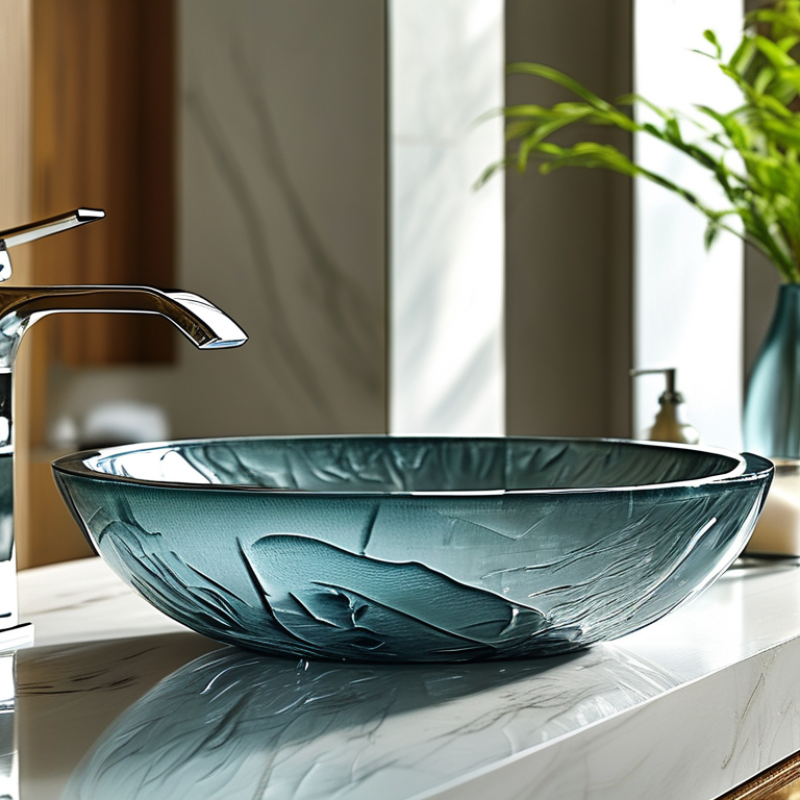
When selecting an above counter basin, the material can significantly influence the overall aesthetic and functionality of your bathroom. Glass basins, for example, offer a modern and sleek look. They can create a spacious feel, reflecting light beautifully. However, they may require more maintenance, as they show water spots and fingerprints easily.
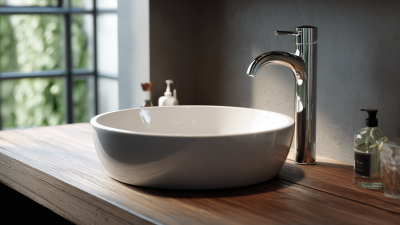
Ceramic basins are classic and durable. Their non-porous surface resists stains, making cleaning a breeze. They come in various designs, catering to different tastes. However, they can chip or crack if mishandled, which is a drawback for families with children.
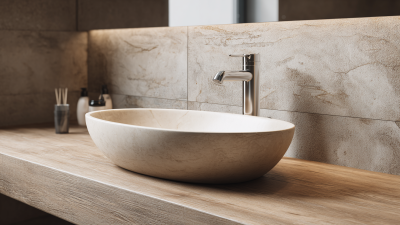
Stone basins, such as marble or granite, add a touch of luxury. Each piece is unique, providing an organic feel. They are heavy and sturdy, offering longevity. Yet, they demand a higher level of care to maintain their appearance. Sealing is often needed to prevent stains from penetrating the surface.
Tips: Consider your lifestyle before choosing a material. If you prefer low maintenance, ceramic is a wise pick. For a stylish edge, glass might be for you. Think about your home's overall design. Ensure the basin compliments your décor, enhancing the bathroom's vibe.
Style and Design: Matching Your Basin to Bathroom Aesthetics
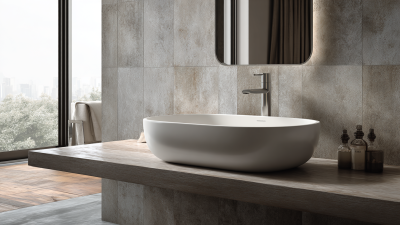
When choosing an above counter basin, style and design play crucial roles. The basin should align with your bathroom's overall aesthetics. Think about the existing colors, materials, and fixtures. If you have a modern bathroom, a sleek, minimalistic basin could enhance the space. However, a rustic basin might clash with a contemporary vibe, making the design feel off balance.
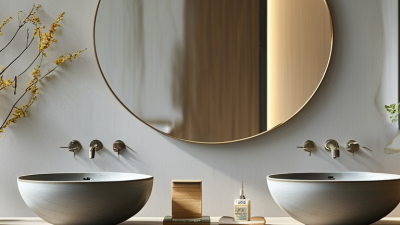
Consider your basin's shape and color. Round basins offer softness, while rectangular ones bring structure. Neutral colors like white and gray blend well with most styles. However, bold colors can make a statement. Reflect on how these choices resonate with your vision. Not everyone’s taste is the same; sometimes, a selection might not feel right after a few days of use.
Don't forget about practicality. A beautifully designed basin should also serve its purpose effectively. Check the height and depth to ensure it's comfortable for daily use. Some designs may look stunning but may not be user-friendly. This detail can make a significant difference over time. Balancing aesthetics with functionality is vital for a perfect addition to your bathroom.
Installation Considerations: Top-Mount vs. Under-Mount Techniques
When choosing an above counter basin, the installation method is crucial. The two primary techniques are top-mount and under-mount. Each has its own benefits and drawbacks. Top-mount basins sit on the countertop, providing easy access for installation. They are often simpler to replace. However, the visible rim may not suit every aesthetic or cleaning preference.
Under-mount basins attach to the underside of the countertop, creating a seamless look. This style is elegant and makes cleaning easier. However, installation can be trickier and might require professional help. The weight of the basin can place stress on the countertop material, which needs to be considered. Planning is essential to avoid expensive mistakes.
Choosing the right installation method involves reflection. Think about your bathroom's design, maintenance, and personal preferences. Sometimes, less popular options can lead to unique styles. Analyze your needs carefully. Embrace the challenge of finding the perfect fit for your space.
Budgeting Wisely: Cost Analysis of Various Basin Types and Brands
When budgeting for an above counter basin, cost is a pivotal consideration. Prices vary significantly based on materials and design. According to industry reports, ceramic basins can range from $50 to $300. On the other hand, glass options start around $100, potentially soaring to $500 based on intricacy. Metal basins often present a similar pricing spectrum.
Market research shows that investing in quality can save money in the long run. Durable materials tend to have a longer lifespan. A study indicates that low-end options may need replacement every five years, while higher-end products can last a decade or more. Still, consumers should be cautious. Overspending on trendy designs might lead to regret when styles change or when upkeep costs rise.
Evaluating your budget against your style preferences is essential. While a high-end basin may elevate aesthetics, practical limitations often emerge. Are you prepared for potential maintenance? Some designs are harder to clean, increasing long-term costs. Establish clear priorities, and consider all factors before committing to your purchase.
Cost Analysis of Various Basin Types
This chart illustrates the cost analysis of different types of above counter basins commonly used in bathrooms. The data shows the average price range for ceramic, glass, resin, and metal basins, helping you to budget wisely for your bathroom renovation.