Leave Your Message

What Are the Best Bathroom Basin Manufacturers in China?

Choosing a Bathroom Basin manufacturer in China involves more than comparing prices. The basin must fit the room, match the tap and drain, and arrive without damage. A polished showroom sample is useful, but it cannot show how every production batch will look. Ask for material specifications, dimensional drawings, finish options, and clear photos of finished products. Details matter.

Reliable manufacturers should be able to explain how they inspect ceramic bodies, glaze consistency, drainage, and packaging. Request samples when practical, and confirm whether custom sizes or colors affect minimum order quantities and lead times. A small variation in rim shape can change how a basin sits on a countertop. It may seem minor until installation day.

This guide looks at Chinese basin manufacturers through practical factors: product range, production experience, quality-control procedures, customization, communication, and export support. These points help buyers compare suppliers on more than catalog images or broad claims. Still, no checklist can replace a careful review of a specific order. Ask direct questions, check references where available, and agree on inspection criteria before production begins. The best choice depends on your project, budget, and expectations—not a single ranking. Even good suppliers may have limits, so verify the details that matter most to your installation.
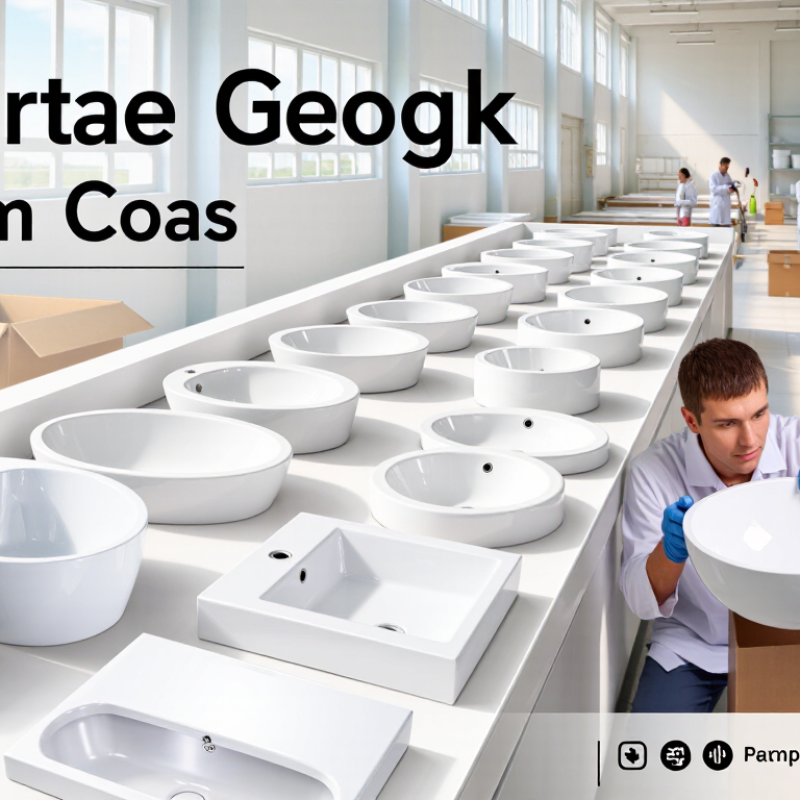
What Are the Best Bathroom Basin Manufacturers in China?

How Bathroom Basin Manufacturers Are Evaluated

A reliable bathroom basin manufacturer should be judged by repeatable production, not a polished showroom sample. Check whether the factory controls ceramic body composition, firing temperature, glaze thickness, and dimensional tolerances. Ask for recent inspection records and samples from ordinary production batches. Look closely at the drain opening, overflow, and underside; rough edges or uneven glaze can signal weak process control. A sample may still hide batch variation.

Technical evidence matters. EN 14688 sets functional requirements and test methods for washbasins, so ask suppliers which tests they perform and whether reports match the model being quoted. For related fittings, the U.S. EPA WaterSense bathroom faucet specification sets a maximum flow of 1.5 gallons per minute and requires at least 20% lower flow than the federal baseline. This is not a basin-quality rating, but it helps assess a complete washroom package. Verify the report’s date and testing laboratory; paperwork alone proves little.

Tips: Request a basin drawing with dimensions, installation clearances, and drain position. Compare it with the actual sample using a tape measure. Ask how defects are recorded and handled. A low price can be attractive, but inconsistent dimensions may create costly installation delays. No checklist is perfect; repeat the inspection on more than one production batch.
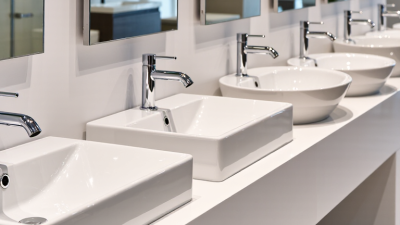
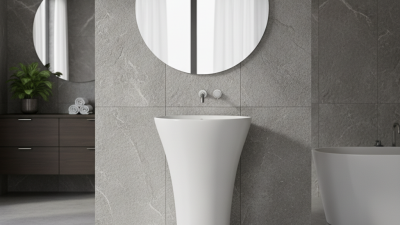
China’s Bathroom Basin Industry at a Glance

China’s bathroom basin industry sits within a large, varied manufacturing base. Suppliers produce ceramic, stainless-steel, glass, and stone basins, with different tooling, finishing, and inspection needs. Ceramic models require close control of firing and glaze quality; small defects can show clearly under bathroom lighting. Many factories also support custom dimensions and contract production. That flexibility helps buyers, but specifications still need careful checking.

Demand is uneven. The National Bureau of Statistics of China reported that real estate development investment fell 9.6% in 2023, while new commercial housing sales area declined 8.5%. These figures describe the wider property market, not basin sales alone, but they indicate pressure on new-build demand. The same report recorded 5.8% growth in construction industry output value, showing a more mixed picture. For importers, factory audits and sample testing matter as much as quoted prices. Check dimensions, overflow placement, surface finish, packaging, and breakage records. One detail can be missed. Public statistics rarely separate bathroom basins from other sanitary products, so broad industry figures should not be treated as basin-specific evidence.

China’s Bathroom Basin Industry at a Glance

Common nominal basin widths illustrate the range of products made for compact bathrooms, single-sink vanities, and shared spaces.

Widths shown are common nominal product sizes in millimeters, not market-share figures. Actual dimensions vary by design and manufacturer.

Leading Bathroom Basin Manufacturers in China

Leading bathroom basin manufacturers in China typically offer several materials, shapes, and installation styles. Common options include vitreous china basins, countertop bowls, and wall-mounted designs. The right supplier should explain how each product is made, not just provide attractive catalog photos. Ask about clay preparation, firing controls, glazing, and inspection procedures. Clear answers matter.

Inspect samples under bright, even lighting. Check the rim for smoothness, the glaze for pinholes, and the drain opening for a consistent finish. Ask how the factory tests dimensions, water absorption, and surface defects, and request recent inspection records where available. Small details matter. They affect installation and cleaning.

For custom orders, confirm drawings, tolerances, packaging, lead times, and how changes are approved before production. A sample can look excellent while a later batch varies, so ask how production lots are checked and documented. Also verify that export paperwork and product specifications fit the destination market. A factory visit can help, but it is not a guarantee; sometimes a polished showroom hides ordinary process gaps. Compare evidence, communication, and sample quality before choosing a manufacturing partner.

Comparing Product Ranges, Quality, and Capabilities

China’s bathroom basin manufacturers vary less by headline claims than by the ranges they can produce consistently. Some focus on ceramic countertop and pedestal basins; others offer vessel, wall-hung, semi-recessed, and compact models for smaller bathrooms. A broad catalogue is useful, but it can hide uneven control between product lines. Ask for current drawings, dimensions, overflow options, tap-hole layouts, and installation clearances. Small details matter. A basin that looks generous in a photo may leave too little space around the faucet or splash water onto a narrow vanity. Finish samples viewed under neutral light are more useful than polished catalogue images.

Quality should be judged by repeatability, not by one attractive sample. Check glaze for pinholes and shade variation, then review drain alignment, edge consistency, and packaging protection. Request test records and inspection criteria, and clarify how defects are handled before production. Strong suppliers can explain tooling, mold changes, sampling, capacity, and realistic lead times. They should also identify which finishes or dimensions need custom development. Communication matters. Clear answers can prevent costly revisions, though a quick reply alone proves little. No producer is perfect; even a capable factory may be less reliable with customization or after-sales follow-up. Compare those gaps with your project’s needs, not just the unit price.

How to Choose a Manufacturer for Your Project

Choosing a Chinese bathroom basin manufacturer starts with your project’s drawings, not a catalogue. Confirm basin dimensions, tap-hole positions, overflow requirements, and installation type in writing. Then request a production sample and inspect its glaze under direct light. Look for pinholes, uneven color, sharp edges, and drainage that leaves standing water. Small details matter.

Compare factories on repeatability, not just the sample. Ask how they control clay or ceramic-body consistency, firing temperatures, dimensional tolerances, and final inspection. Request recent inspection records, test methods, and product specifications; vague assurances are not evidence. Houzz’s 2024 U.S. Bathroom Trends Study reported a median bathroom renovation spend of $15,000 in 2023, up 11% year over year. That figure is not a basin budget, but it shows why replacement costs and delays deserve attention. A low unit price can become expensive if breakage, mismatched batches, or late delivery disrupts installation.

Check whether the manufacturer can pack basins for your shipping route and provide clear carton markings, spare units, and replacement-part support. Ask for a pilot order before committing to a large volume. EPA WaterSense guidance sets a 1.5-gallon-per-minute limit for labeled bathroom faucets, compared with the common 2.2-gallon standard; verify that the chosen basin and faucet work together. I would not treat a polished showroom piece as proof of production quality. It is an easy mistake.

What Are the Best Bathroom Basin Manufacturers in China? - How to Choose a Manufacturer for Your Project

Selection Criteria What to Compare How to Verify Why It Matters
Product range Countertop, undermount, wall-mounted, pedestal, and vessel basins; available sizes, shapes, colors, and tap-hole configurations. Request a current catalogue, dimensioned drawings, and samples of the exact models under consideration. A suitable range helps match the project’s installation, design, and space requirements.
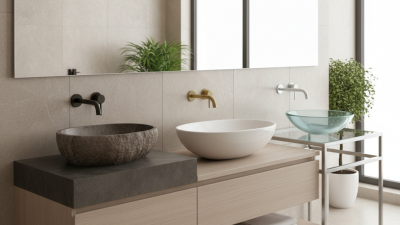
Material and finish Confirm the stated material, surface finish, color consistency, and care requirements. Common basin materials include vitreous china, glass, natural stone, and stainless steel. Check the product specification and sample; confirm whether any finish or color variation is expected between batches. Material and finish affect appearance, cleaning, installation, and suitability for the intended use.
Dimensions and installation fit Overall dimensions, basin depth, drain position, tap-hole layout, mounting method, and compatibility with the selected countertop or plumbing fittings. Review dimensioned drawings and confirm critical measurements against the project plans before approving production. Correct fit reduces installation problems and costly site alterations.
Quality management and product testing Documented inspection procedures, production traceability, defect handling, and testing relevant to the basin material and destination market. Request applicable test reports and certification documents, check their scope and validity, and arrange an independent pre-shipment inspection when appropriate. ISO 9001 relates to a quality management system; it is not, by itself, product certification. Verifiable controls provide a clearer basis for assessing consistency and compliance.
Applicable standards and market requirements Requirements depend on product type and destination. For ceramic sanitary ware, ask whether GB 6952-2015 applies to the product and confirm the current requirements for the target market. Request the standard number, test report, issuing laboratory, tested model, and report date; verify requirements with the importer or relevant compliance specialist. A standard or report should be relevant to the actual product and market, not just listed in a sales document.
Customization capability Private-label packaging, custom dimensions or colors, logo placement, tooling needs, and the process for approving drawings and samples. Get written confirmation of design ownership, tooling charges, sample approval steps, and how approved specifications will be controlled during production. Clear approval and change-control procedures help prevent differences between the approved sample and delivered goods.
Minimum order quantity and pricing MOQ by model, color, or customization; sample charges; tooling costs; price validity; and what is included in the quotation. Request an itemized quotation with currency, Incoterm, packaging details, payment terms, and any separate charges. Compare quotations on the same specification and delivery basis. A comparable quotation makes the full order cost clearer than a unit price alone.
Production capacity and lead time Available production capacity, order scheduling, sample timing, and quoted production and dispatch dates for the specific order. Ask for a written schedule, clarify when the lead time starts, and confirm how delays or changes will be communicated. Lead times vary with model, order volume, customization, and production conditions, so project dates should be confirmed in writing.
Packaging and transport protection Individual protection, carton or crate design, palletization, package markings, and packing suitable for the shipping method. Review packaging specifications and photographs; agree how damage will be documented and reported on arrival. Basins can be vulnerable to impact during handling and transit, making suitable packing an important part of order planning.
Supplier and factory verification Whether the supplier manufactures the products or sources them, the production site, relevant processes, and who is responsible for quality control. Check business and factory documentation, arrange a video or in-person factory audit, and confirm that the audited site matches the order documents. Understanding the supply chain helps clarify accountability for production, inspections, and corrective actions.
After-sales support and warranty Warranty duration and scope, exclusions, spare-part availability, claim documentation, and response process. Obtain the warranty terms in writing and confirm the procedure for reporting defects, transit damage, or shortages. Written terms make responsibilities and remedies clearer if an issue arises after delivery.

Practical approach: shortlist suppliers against your drawings, destination-market requirements, order quantity, and delivery schedule; then compare approved samples, documented specifications, and written quotations.