Leave Your Message

2026 Best Pedestal Basin Buying Guide for Global Buyers

Choosing the right Pedestal Basin in 2026 involves more than comparing shapes, colors, and showroom prices. Global buyers must examine dimensions, plumbing compatibility, material quality, installation space, and long-term maintenance. A basin that looks elegant in a product photograph may feel too shallow in daily use. It may also require different waste fittings, wall connections, or floor preparation than expected.

Richard Trethewey, a respected plumbing expert from This Old House, often reminds homeowners, “Water always wins.” That practical warning matters when evaluating a Pedestal Basin. Water exposure can reveal weak glazing, poor drainage, unstable mounting, or careless sealing. This guide considers real purchasing conditions, including humid bathrooms, compact apartments, hospitality projects, and international shipping. It also explains how to review ceramic composition, basin depth, overflow design, tap-hole options, packaging protection, and supplier documentation.

Look closely at the details.

A reliable supplier should provide technical drawings, installation instructions, test information, and clear warranty terms. Buyers should confirm whether the product meets relevant regional requirements before placing a large order. Certifications can support trust, but they should not replace physical inspection or sample approval. Even experienced buyers sometimes focus too heavily on appearance. That is an understandable mistake. A beautiful basin can still create cleaning problems or installation delays.

This 2026 buying guide offers a practical framework for comparing Pedestal Basin products across markets. It does not promise one perfect choice. Instead, it helps buyers ask sharper questions, identify hidden costs, and select a basin that performs well beyond the showroom.

2026 Best Pedestal Basin Buying Guide for Global Buyers

What Is a Pedestal Basin and How Does It Work?

2026 Best Pedestal Basin Buying Guide for Global Buyers

What Is a Pedestal Basin and How Does It Work?

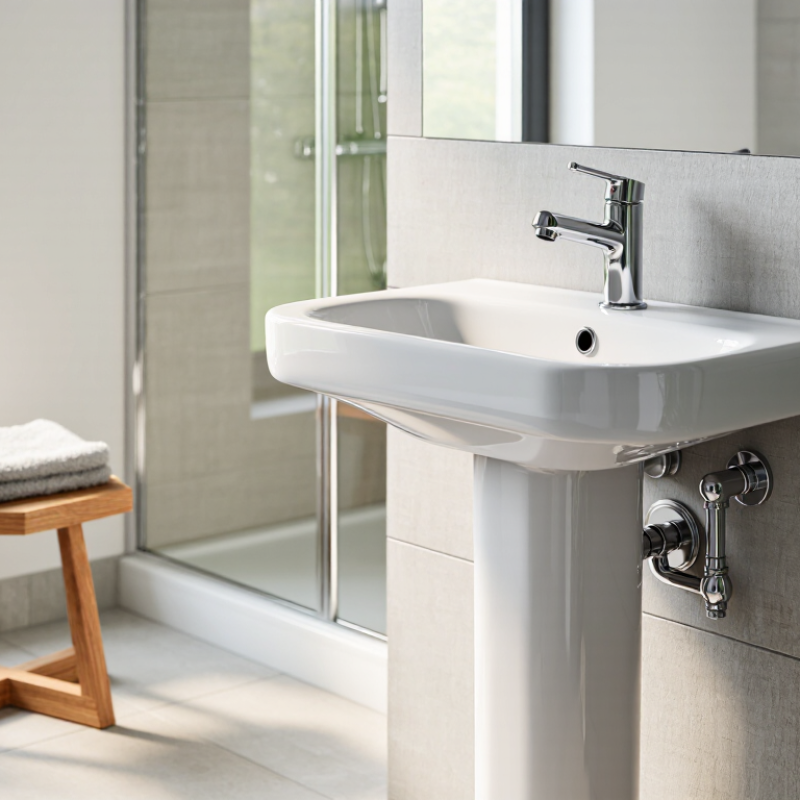
A pedestal basin is a washbasin fixed above a ceramic or stone support column. The bowl holds water, while the waste outlet directs used water into a trap and drainpipe. Water follows gravity. The pedestal mainly hides pipework and supports the basin’s visual form. It does not always carry the entire structural load.

It looks simple. Installation needs care. A qualified installer checks the wall strength, floor level, drain position, and water-supply height before drilling. The basin should sit firmly against the wall, with sealed joints around its rear edge. The trap must remain accessible for cleaning, even when the pedestal conceals it. An overflow opening also helps reduce accidental spills, but it cannot replace responsible water use.

Global buyers should compare basin width, bowl depth, tap-hole layout, overflow design, and local plumbing requirements. Ceramic surfaces are usually easy to clean, yet small glaze defects can appear after transport or temperature changes. Check twice. A showroom basin may look spacious but feel narrow beside a door or cabinet. Pedestals can also limit storage and make future pipe repairs less convenient. These compromises are easy to overlook when appearance leads the decision. Clearance around the basin matters, especially in family bathrooms or accessible spaces. Reliable product drawings, installation instructions, and documented material testing provide stronger evidence than attractive photographs.

Which Pedestal Basin Types Suit Different Bathroom Spaces?

Choosing a pedestal basin starts with room geometry, not appearance. The 2024 U.S. Houzz Bathroom Trends Study identifies shower upgrades as a leading renovation priority. This suggests many bathrooms need smarter basin placement and clearer circulation.

A classic full-pedestal basin suits medium bathrooms and guest spaces. Its enclosed column hides plumbing and creates a balanced visual anchor. Choose a narrow model for a compact apartment bathroom. Leave at least 700 millimeters of comfortable user clearance where possible. A corner pedestal basin works better in awkward layouts. It frees the central floor area and protects door movement. These gains matter in urban homes. UN DESA’s World Urbanization Prospects projects that 68% of people will live in urban areas by 2050.

A semi-pedestal basin suits small bathrooms with wall-mounted plumbing. It keeps the floor visually open and simplifies cleaning. It may require stronger wall support, however. Check the substrate before ordering. For accessible bathrooms, avoid placing the pedestal where it blocks knee space or transfer movement. NKBA’s 2024 Design Trends report continues to highlight accessibility and wellness as important bathroom planning themes. Measurements can still mislead. A basin that fits the plan may feel cramped after door swings, towel rails, and users are added. Request a scaled drawing, confirm local installation rules, and inspect the actual trap position before purchase.

How to Compare Materials, Sizes, Shapes, and Features

Choosing a pedestal basin in 2026 starts with material, not appearance alone. Vitreous china offers a hard, nonporous surface and easy cleaning. Ceramic can cost less, but glazing quality varies between suppliers. Stone resin feels substantial and supports modern shapes, yet scratches may show more clearly. I check the underside, drain opening, and glaze consistency before approving a sample. Small defects matter.

Measure the room carefully. A 500-millimeter basin suits compact bathrooms, while 600 to 700 millimeters gives better elbow space. Allow clearance beside walls, doors, and nearby fixtures. Rectangular bowls create a sharper architectural look. Oval and round bowls soften narrow rooms. Shape affects usable washing space more than many buyers expect. It can feel cramped.

Features deserve practical testing. Confirm the tap-hole position, overflow design, waste compatibility, and mounting points. A rear overflow can reduce splash risk, but it may complicate cleaning. A thin rim looks refined, although it can provide less protection during transport. Check the pedestal height against the user’s stance and plumbing route. I once approved an attractive basin with poor pipe access; installation became slower than planned. That mistake reinforced a useful rule: compare the whole installation, not only the showroom surface. Ask for dimensional drawings, load guidance, packaging details, and replacement-part availability. Supplier documentation should match the physical sample.

2026 Best Pedestal Basin Buying Guide for Global Buyers - How to Compare Materials, Sizes, Shapes, and Features

Comparison Category Vitreous China Fireclay Ceramic Solid Surface / Mineral Cast Enamelled Cast Iron Stainless Steel
Typical Material Composition Fired ceramic with a glass-like vitreous coating that reduces porosity. Dense clay-based ceramic fired at high temperature; usually has a thick glazed surface. Resin, mineral filler, or engineered stone composite formed as a solid, non-porous body. Cast iron body covered with a fused vitreous enamel surface. Corrosion-resistant steel, commonly specified in bathroom applications as austenitic stainless steel.
Common Basin Weight 15–30 kg (33–66 lb), depending on size and wall thickness. 25–45 kg (55–99 lb); generally heavier than vitreous china. 12–28 kg (26–62 lb), depending on filler content and design. 45–80 kg (99–176 lb); requires particularly strong support. 4–12 kg (9–26 lb), depending on gauge and reinforcement.
Typical Width Range 450–750 mm (17.7–29.5 in) 500–760 mm (19.7–29.9 in) 450–800 mm (17.7–31.5 in) 550–760 mm (21.7–29.9 in) 450–700 mm (17.7–27.6 in)
Typical Front-to-Back Depth 400–560 mm (15.7–22.0 in) 450–580 mm (17.7–22.8 in) 400–600 mm (15.7–23.6 in) 450–580 mm (17.7–22.8 in) 380–550 mm (15.0–21.7 in)
Typical Basin Height Above Finished Floor The basin rim is commonly installed at approximately 800–850 mm (31.5–33.5 in), but the final height should be adapted to user needs, accessibility requirements, and local plumbing practice.
Typical Shape Options Oval, rectangular, square, round-front, and compact corner designs. Mostly rectangular, oval, and traditional rounded-front forms. Thin-edge rectangular, oval, asymmetrical, and integrated countertop-style forms. Traditional oval and rectangular forms with deeper bowls and heavier profiles. Round, rectangular, corner, and commercial-style compact forms.
Surface Cleaning Easy, but fingerprints, water spots, and limescale may be more visible.
Scratch and Impact Considerations Resistant to normal use, but hard impacts can chip the glaze or ceramic body. Good resistance to daily wear; hard impacts can still cause chips or cracks. Usually repairable or polishable for light scratches; sharp impacts may dent or fracture the material. Very durable surface, but a deep impact can chip enamel and expose the metal beneath. Resists cracking and chipping; can show scratches and may dent under strong impact.
Thermal Performance Handles normal hot and cold bathroom water; sudden extreme temperature changes should be avoided. Good heat resistance and thermal stability in normal bathroom use. Comfortable to touch and generally stable with normal hot water; follow the product temperature limit. Excellent thermal stability, although the metal body can feel cold before use. Handles normal hot water well and warms or cools quickly.
Tap-Hole Configuration Commonly available as one tap hole, two tap holes, three tap holes, or no tap hole. Often offered with one or three tap holes; configuration is model-specific. Frequently available with one tap hole or an integrated tap deck; custom drilling may be possible. Usually one or three tap holes; verify drilling before purchase. Often one tap hole or wall-mounted tap compatibility; hole size must match the tap.
Overflow Feature Common and useful for reducing accidental overfilling; may be visible or concealed. Common on standard bathroom models, but not universal. Available in slotted, concealed, or overflow-free designs; confirm compatibility with the waste. Common on traditional bathroom models; confirm the overflow route and trim. Available on many models, especially commercial or utility-oriented designs.
Pedestal Compatibility Widely compatible with full pedestals and semi-pedestals when the basin and pedestal are matched. Usually paired with a dedicated heavy-duty pedestal because of its greater weight. Often designed with a concealed support frame, semi-pedestal, or matching pedestal. Requires a purpose-designed pedestal or reinforced support due to its high weight. Commonly paired with a light support frame, compact pedestal, or wall brackets.
Wall and Floor Support Use secure wall fixings; the pedestal should not be treated as the sole structural support unless approved by the installation instructions. Requires strong wall fixings and a properly levelled floor or reinforced support. Support requirements vary; heavier composite tops may require a concealed metal frame. Check the load-bearing capacity of the wall and floor before installation. Usually easier to handle, but the basin must still be fixed against movement and vibration.
Water Efficiency Compatibility Material does not determine water consumption. Water use is primarily affected by the tap, flow regulator, basin depth, waste design, and local plumbing requirements.
Space-Saving Suitability Moderate; compact models exist but may remain relatively deep and heavy. Limited; weight and depth make it less suitable for very small rooms.
Best Use Cases General residential bathrooms, apartments, hotels, and projects requiring a broad selection of shapes and sizes. Traditional, premium, or high-durability bathrooms where a substantial appearance is preferred. Modern bathrooms, accessible layouts, custom interiors, and designs requiring a thin or seamless appearance. Traditional interiors and demanding installations where exceptional robustness and long service life are priorities. Contemporary, commercial, healthcare, hospitality, utility, and high-frequency-use environments.
Main Advantages Balanced cost, hygiene, availability, design variety, and straightforward maintenance. Dense construction, premium appearance, good durability, and strong resistance to everyday wear. Design flexibility, repairable light scratches, modern styling, and potentially lower handling weight. Very high durability, strong thermal stability, and a long-lasting enamel surface. Lightweight, impact-tolerant, recyclable, and suitable for intensive use.
Main Limitations Can chip or crack from severe impact; ceramic pieces are relatively heavy and brittle during transport. High weight, higher handling requirements, and possible chipping from severe impact. May scratch more easily than glazed ceramic; color and finish can vary between production batches. Very heavy; chipped enamel can lead to visible discoloration or corrosion if not repaired. Can show water marks and scratches; metal resonance and condensation may require design controls.
Recommended Buyer Checks Confirm overall dimensions, tap-hole position, overflow type, waste compatibility, glaze quality, and fixing points. Confirm shipping weight, pedestal load rating, wall reinforcement, glaze consistency, and packaging protection. Confirm material thickness, UV and chemical resistance, repair method, color consistency, and support structure. Confirm total installed load, enamel coverage, pedestal strength, fixing method, and floor capacity. Confirm steel grade, material thickness, edge safety, sound insulation, tap-hole size, and corrosion resistance.
Typical market ranges are provided for preliminary comparison only. Actual dimensions, tolerances, weights, installation heights, fixing methods, and plumbing connections vary by product design and destination-market regulations. Always verify the technical drawing and installation instructions before ordering.
Global purchasing note: For international projects, compare the complete technical specification rather than appearance alone. Check millimetre dimensions, net and gross shipping weight, packaging test requirements, tap and waste standards, overflow configuration, mounting hardware, accessibility needs, and the applicable plumbing and safety standards in the destination market.

How to Check Installation Needs, Standards, and Compatibility

2026 Best Pedestal Basin Buying Guide for Global Buyers

Choosing a pedestal basin begins with the installation site, not the product photograph. Measure the available width, depth, and finished floor height. Leave enough clearance for door swings, cleaning, and comfortable elbow movement. Check the wall structure too. A pedestal may hide pipes, but it does not replace secure fixing points.

Confirm the waste outlet position before ordering. The basin, trap, and drainpipe must align without forced bends. Check water supply locations and faucet-hole configuration. Some basins require a wall-mounted faucet, while others accept a deck-mounted fitting. Review local plumbing codes, electrical separation rules, and accessibility requirements. Standards differ between countries, so request current compliance documents and independent test reports.

Compatibility also depends on material and maintenance conditions. Glazed ceramic handles daily moisture well, but sharp impacts can cause hidden cracks. Inspect the rim, overflow opening, fixing kit, and underside before installation. A small mismatch can create leaks later. This is often missed.

Use a full-size template when possible. Paper dimensions can mislead. A basin that fits the room may still block the trap or collide with skirting boards. Ask the installer to dry-fit every connection before sealing. Recheck the level after tightening, because over-tightening can damage ceramic. Product drawings are useful, but site conditions deserve the final decision.

How to Evaluate Suppliers, Prices, Shipping, and After-Sales Support

A 2026 pedestal basin purchase should begin with supplier evidence, not a polished catalog. Ask for the factory address, production photos, material specifications, test reports, and recent export references. Confirm whether the supplier controls casting, glazing, inspection, and packing. A video call can reveal storage conditions and quality routines. Request a physical sample for large orders. Check dimensions, drain openings, glaze uniformity, mounting stability, and the underside finish. Check the underside.

Compare prices on the same basis. A low unit price may exclude the pedestal, packaging, inland delivery, or export documentation. Request a line-by-line quotation with currency, minimum order quantity, payment stages, validity period, and agreed trade terms. Calculate landed cost, not just factory cost. Include inspection fees, port charges, applicable duties, and possible breakage. I would challenge unusually cheap offers. They may be efficient, or they may hide thinner material and weaker crates. Get it in writing.

Shipping requires practical measurements. Confirm carton dimensions, gross weight, pallet count, loading plan, lead time, and photos of tested packaging. Ceramic damage can begin with one loose corner. Ask how claims are filed, what evidence is required, and how quickly replacements are arranged. A dependable supplier should provide spare units, installation guidance, and a named service contact. Put response times and acceptable defect rates in the contract. My checklist would still need revision; port delays and color variation can defeat careful forecasts. Test before scaling.