What Are the Top Types of Hand Basins?
Choosing the right Hand Basin can change how a bathroom feels and functions. A compact wall-mounted basin may free valuable floor space in a small ensuite. A countertop basin can create a strong focal point, especially above a timber or stone vanity. These choices are not only about appearance. They affect cleaning, storage, installation, water splash, and daily comfort.
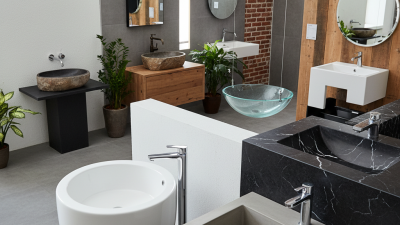
This guide examines the top types of hand basins, including wall-hung, pedestal, countertop, under-counter, semi-recessed, vessel, and corner designs. Each style has practical strengths and limitations. For example, a pedestal basin can conceal plumbing neatly, but it offers little storage. A vessel basin looks distinctive, yet its raised rim may require careful tap selection. Experienced bathroom installers often check user height, wall strength, waste alignment, and available clearance before recommending a model.
Small details matter.
A reliable choice should suit the room, not merely follow a trend. In busy family bathrooms, smooth surfaces and accessible edges can simplify cleaning. In guest washrooms, shape and proportion may carry greater visual importance. Product specifications also deserve attention, especially basin depth, overflow protection, mounting requirements, and material quality. Some decisions remain subjective. A deeper basin may reduce splashing, but it can feel oversized in a narrow room. The best result usually comes from balancing design preference with proven installation practice. This overview offers a clear starting point, while acknowledging that every bathroom has different constraints and priorities.

What Is a Hand Basin and What Features Define Its Design?
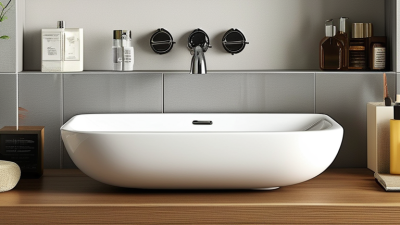
A hand basin is a compact sink designed for washing hands, usually in bathrooms, guest rooms, and small washrooms. Its size supports quick use without overwhelming the room. Common types include wall-mounted, countertop, pedestal, and semi-recessed basins. Each type changes how the space feels and how cleaning is handled.
Good design begins with practical details. A smooth, non-porous surface helps resist stains and simplifies daily cleaning. Rounded internal corners reduce trapped water, although no basin stays spotless without regular care. The basin should provide enough depth to limit splashing. A generous rim can hold soap, but an overly wide rim may waste valuable counter space. Tap-hole position, overflow protection, drainage speed, and compatibility with the waste fitting also matter.
In my experience, a basin can look elegant yet feel awkward if the tap sits too far forward. That small mistake is easy to miss in photographs.
Tips:
Measure the available wall or counter area first. Check user height and elbow clearance. Choose a basin depth that suits the tap’s water flow. Test cleaning access around the back edge. Matte finishes can hide marks, but glossy surfaces often feel easier to wipe. Always confirm the installation surface can support the basin and fittings.
How Are Hand Basins Classified by Mounting Style?
Hand basins are often classified by mounting style because installation affects space, cleaning, plumbing, and daily comfort. Wall-mounted basins attach directly to a reinforced wall and leave the floor visible. They suit compact bathrooms and make mopping easier. However, the wall must safely support the basin, fittings, and user pressure. A concealed waste pipe also requires careful planning.
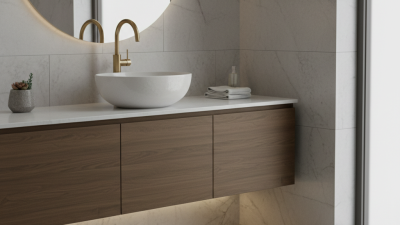
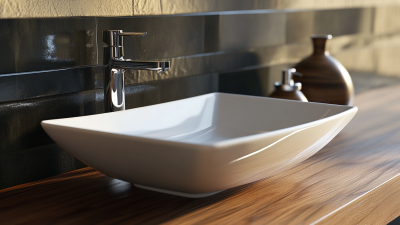
Countertop basins sit on a vanity or worktop, while under-counter basins fit beneath its surface. Countertop models create a strong visual feature and offer flexible storage below. Vessel basins need a suitable tap height, or handwashing may feel awkward. Under-counter designs provide a smooth, easy-to-wipe surface, although installation demands accurate cutting. Small errors show quickly.
Semi-recessed basins extend partly beyond the vanity, saving depth in narrow rooms. Pedestal basins rest on a floor-mounted support, hiding plumbing without requiring a cabinet. Corner basins use unused angles and can improve movement in very small spaces. In practical planning, basin height matters as much as appearance. Measurements can look correct on paper, yet feel wrong in use. Splashing is another overlooked issue. A shallow basin may look refined but perform poorly near a busy family sink. Materials, wall strength, pipe access, and cleaning habits should guide the final choice.
What Are the Main Materials Used for Hand Basins?
Ceramic and porcelain remain common materials for hand basins because they resist stains, moisture, and everyday cleaning products. Their smooth glazed surfaces are easy to wipe after shaving or washing. Porcelain is often denser than standard ceramic, but quality depends on firing and manufacturing control. Inspect the glaze carefully. Small pinholes may collect dirt over time.
Glass basins create a lighter, more decorative appearance, especially in compact bathrooms. Tempered glass offers better resistance to sudden impact than ordinary glass. However, water spots show quickly on dark or transparent surfaces. Regular drying becomes part of ownership. It looks elegant. It needs discipline.
Natural stone, stainless steel, and solid-surface materials provide different practical advantages. Stone adds texture and visual weight, but it requires suitable sealing and gentle cleaners. Acidic products may damage some finishes. Stainless steel handles heavy use and temperature changes well, although scratches can become visible. Solid-surface basins allow seamless designs and easier repairs, but excessive heat may affect certain products. In real installation work, material choice should match water quality, cleaning habits, room size, and mounting support. A beautiful basin can still be inconvenient if its surface demands constant care. I would also check the waste opening, overflow design, and wall strength before purchase. Manufacturers’ technical sheets and advice from a qualified installer remain more reliable than appearance alone.
How Do You Choose the Best Hand Basin for Your Needs?
Choosing the best hand basin starts with the room, not the appearance. A compact ceramic basin suits a small cloakroom with limited wall space. A countertop basin creates a stronger visual feature but needs a stable, moisture-resistant surface. Stainless steel works well in busy utility areas because it tolerates impact and cleans quickly. Stone basins feel substantial, although they may require more careful sealing and regular maintenance.
Think about who will use the basin every day. A family bathroom needs enough depth to reduce splashing, especially when children wash their hands. In a guest toilet, a shallow wall-mounted model may provide more floor space. Measure the wall, tap position, door swing, and pipe route before buying. I have seen attractive basins fail because the tap projected too far over the bowl. Small details matter.
Cleaning habits should influence the shape. Rounded corners usually hold less residue than sharp internal angles. An overflow opening adds practical protection, but it still needs occasional cleaning. Check the basin’s installation method and the strength of the supporting wall. For older users or people with limited mobility, a comfortable height and clear knee space can be more important than style. A qualified installer can confirm drainage, fixing, and local accessibility requirements. I once chose a deep basin for appearance, then found it awkward for daily use. A better decision would have tested reach and splash control first. There is no perfect basin.