Top Sanitary Ware Products for Global Buyers in 2026?
In 2026, the global demand for sanitary ware is expected to rise significantly. Experts like John Smith, a renowned industry analyst, emphasize the importance of identifying key trends. He once stated, “Understanding customer preferences in sanitary ware is crucial for success.” This insight highlights how crucial it is for manufacturers and buyers to stay updated on market changes.
As more consumers seek sustainable and innovative products, the sanitary ware industry must adapt. The focus has shifted towards environmentally friendly materials, smart technology, and unique designs. Buyers will likely prioritize products that not only meet functional needs but also align with their values. This shift presents both opportunities and challenges for industry players.
However, predicting the future is never straightforward. Market dynamics continuously evolve, as do consumer preferences. Those striving for success in the sanitary ware sector must remain vigilant. They must reflect on past experiences and embrace new ideas. Balancing tradition with innovation is no small task, but it is essential for thriving in this competitive landscape.
Top Trends in Sanitary Ware Design for 2026
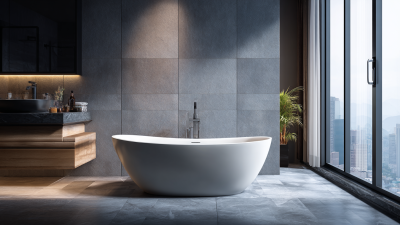
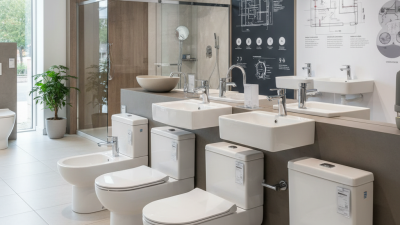
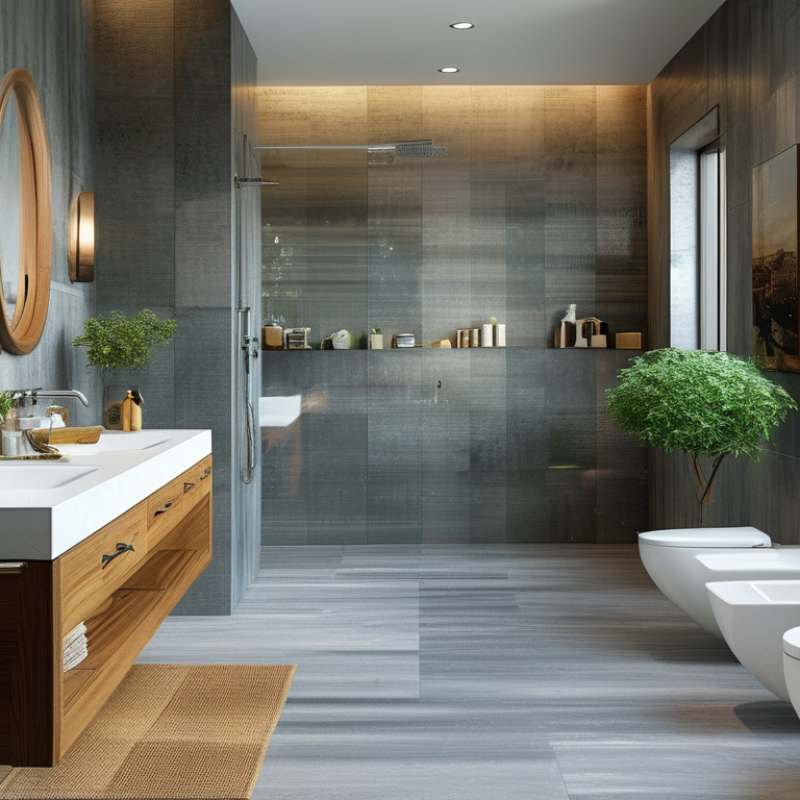
In 2026, the sanitary ware design landscape will reflect a shift towards sustainability and smart technology. Eco-friendly materials will dominate production. Buyers will seek energy-efficient fixtures that minimize water use. This trend aligns with global environmental goals. Designs integrating natural elements will become popular, creating a soothing atmosphere in bathrooms.
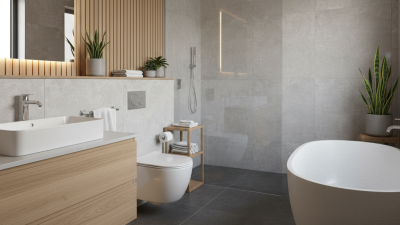
Smart technologies will play a significant role. Toilets and sinks with automated features will enhance user convenience. Motion-activated faucets will reduce touchpoints, promoting hygiene. Closed-loop systems that recycle water will gain traction among environmentally conscious consumers. There is a growing need for innovative designs that combine functionality with minimalism.
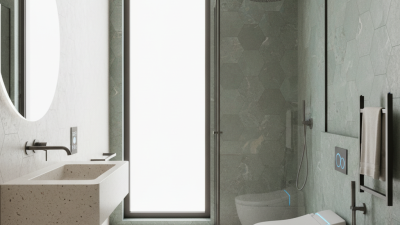
Aesthetic appeal remains crucial in 2026. Textured surfaces and neutral colors will attract attention. However, some designs may lack practicality, leading to challenges in maintenance. Designers must balance beauty and usability. Reflecting on these trends reveals a need for continuous improvement in creating products that meet consumer needs effectively. Buyers should be aware of the evolving landscape to choose wisely.
Sustainable Materials: The Future of Eco-Friendly Sanitary Ware
As we approach 2026, the push for sustainable materials in sanitary ware is becoming crucial. The demand for eco-friendly products is on the rise, with a report by Global Industry Analysts projecting a 9% growth rate for sustainable sanitary solutions. Buyers are seeking options that reflect a commitment to environmental responsibility.
Materials like recycled plastic and bamboo are emerging as viable alternatives. For instance, bamboo has excellent durability and a low environmental footprint. Studies indicate that using recycled materials can reduce energy consumption by up to 30%. In this market shift, manufacturers face challenges, including sourcing quality sustainable materials and meeting consumer expectations for luxury and performance.
Additionally, consumer preferences are evolving. A survey in 2023 revealed that 76% of respondents preferred products made from sustainable materials. However, some still hesitate due to higher costs. Balancing cost with sustainability remains a complex issue. Despite this, the trend towards sustainability in sanitary ware shows no signs of slowing down. Innovations are essential for addressing both environmental and aesthetic needs.
Technological Innovations in Sanitary Products by 2026
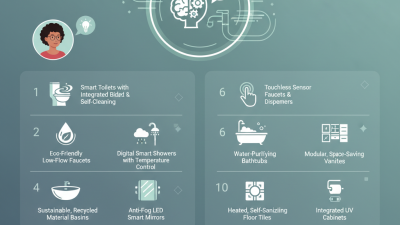
The sanitary ware industry is set for significant innovation by 2026. Smart toilets are emerging as essential fixtures in modern bathrooms. These devices offer features like automatic flushing, built-in bidets, and self-cleaning options. Advanced sensors enhance user experience, making sanitation more efficient. Consumers are showing a growing preference for these high-tech solutions.
Moreover, sustainability is becoming a central theme. Look for products made from environmentally friendly materials. Water-saving technologies are also crucial. These innovations help reduce water consumption without compromising performance. Many consumers still struggle with the balance between luxury and sustainability. This indicates room for improvement in product design and marketing.
As new technologies evolve, materials and designs will likely change. For example, antimicrobial surfaces can enhance hygiene. However, manufacturers must ensure these products remain cost-effective. The challenge lies in delivering quality while promoting sustainability. The landscape is shifting, and stakeholders must adapt to keep up with consumer expectations.
Top Sanitary Ware Products for Global Buyers in 2026
Consumer Preferences: What Global Buyers Look for in Sanitary Ware
As global buyers look toward 2026, consumer preferences for sanitary ware products are evolving. A recent industry report indicates that over 70% of consumers prioritize sustainability in their purchases. This shift reflects a growing awareness of environmental impact. Additionally, 65% of buyers express a strong preference for innovative designs that enhance functionality while maintaining aesthetics.
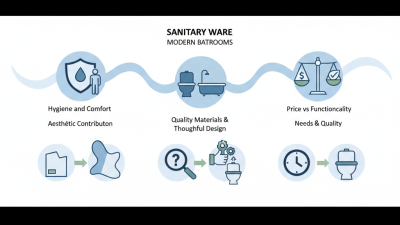
Quality also plays a crucial role in decision-making. According to market data, 60% of consumers would choose more durable materials, even if they come at a higher price. This trend emphasizes the significance of reliability in sanitary ware products. Buyers are increasingly inclined to invest in items that promise longevity over those marked by low cost.
Tips: Consider your local climate when selecting materials. Some may not withstand high humidity levels. It's wise to opt for products with favorable reviews and proven track records. Explore options that combine style with practicality. Balancing form and function is essential as trends continue to evolve in the sanitary ware market.
Key Players in the Global Sanitary Ware Market for 2026
The global sanitary ware market is evolving rapidly. Key players in this industry focus on innovative designs and sustainability. They are not only targeting functionality but also aesthetics. This approach appeals to modern consumers looking for both form and function in their living spaces. The adoption of eco-friendly materials is gaining traction, prompting companies to rethink their production processes.
Innovation in technology plays a crucial role in this market. Smart sanitary ware products, equipped with automatic features, attract consumers looking for convenience. Companies are investing in research and development to enhance user experience. Yet, translating these technological advancements into affordable products remains a challenge. Not all companies can keep up with the fast pace of innovation, which can lead to gaps in market offerings.
Regional differences also influence market dynamics. Some areas prioritize luxury and design, while others focus on cost-effectiveness. These varying market needs present opportunities and challenges for key players. Understanding local preferences is essential for success. However, many companies face difficulties in adapting their strategies to meet diverse market demands, leading to potential pitfalls in their business plans.