Top Quality Bathroom Basins from China what to look for?
When it comes to choosing a bathroom basin, quality should be a top priority. A high-quality bathroom basin not only enhances the aesthetic of your space but also ensures durability and functionality. With numerous options available in the market, especially from China, it can be challenging to make an informed decision.
The importance of material cannot be overstated. Look for sink basins made from durable ceramics or glass. These materials often outperform cheaper alternatives in terms of lifespan and maintenance. Additionally, consider the design and style of the basin. A well-designed bathroom basin should complement your overall decor while providing enough space for everyday tasks.
While many manufacturers promise quality, not all deliver. It's essential to research brands and read customer reviews. Brands with a solid reputation are more likely to offer reliable products. Manufacturers that provide a warranty or guarantee are also worth considering. This indicates confidence in their product quality and can offer you peace of mind. Ultimately, investing time in selection could bring long-term benefits for your home.
Key Features of High-Quality Bathroom Basins from China
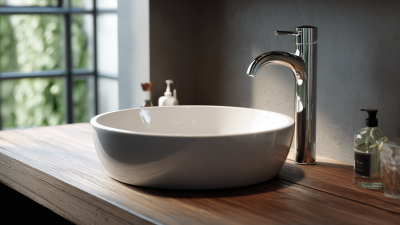
When selecting a top-quality bathroom basin from China, several key features deserve attention. The material is crucial. Look for basins made from durable ceramics, glass, or solid surface materials. These offer longevity and resist stains. Additionally, pay attention to the basin's finish. A high-quality glaze helps maintain its shine and ease of cleaning over time.
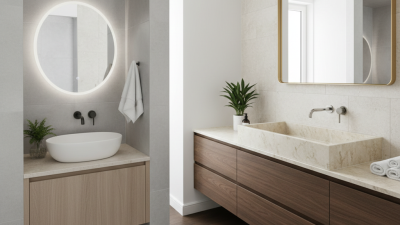
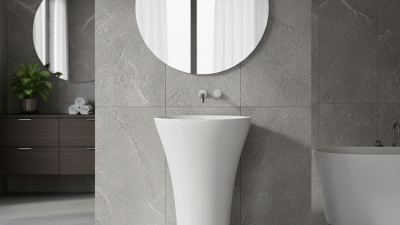
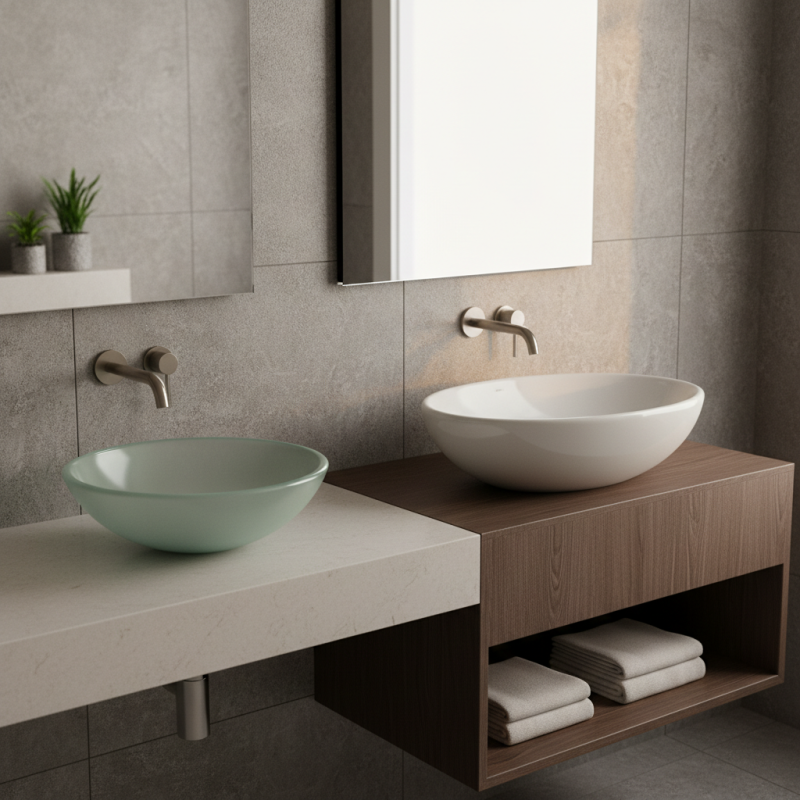
Design is another important aspect. Popular styles include undermount, pedestal, and wall-mounted options. Each design affects the bathroom's aesthetic and functionality. A basin's size should align with your space. A compact basin may work in smaller bathrooms, while larger ones are suited for more spacious areas. Some designs also incorporate unique shapes that can add a stylish touch.
Don't overlook the drainage system. Quality basins feature efficient drainage mechanisms to prevent clogs. Check for the quality of the overflow hole, if present. A well-designed overflow hole can prevent water from spilling over. Also, consider the installation process. Some basins require professional installation, while others are easier for DIY enthusiasts. Balancing these elements can lead to a satisfying choice, reflecting both function and style in your bathroom.
Understanding Different Materials Used in Chinese Bathroom Basins
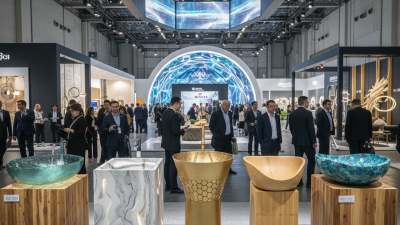
When choosing a bathroom basin, understanding the materials is crucial. Many Chinese bathroom basins are made from ceramic, vitreous china, glass, and acrylic. Ceramic is popular due to its durability and resistance to water stains. Vitreous china, a glaze-finished ceramic, adds an extra layer of protection against scratches and chips.
Glass basins are stunning but can be punctured under excessive pressure. Acrylic is lightweight and easier to install. However, it may not offer the same longevity as ceramic or glass.
Tips: Always check the thickness of glass. Thicker models often ensure better durability. For acrylic, examine the surface finish. A high-quality finish can resist scratches effectively.
Industry reports indicate that consumers prefer ceramic for its affordability and reliability. However, as trends evolve, some homeowners are drawn to the modern aesthetic of glass and acrylic. Each material has pros and cons that should be considered based on individual needs and preferences. It's important to reflect on the basin’s use—will it be for a family bathroom or a guest powder room?
Design Trends for Contemporary Bathroom Basins in China
In contemporary bathrooms, design trends are shifting toward simplicity and functionality. Sleek minimalism dominates the landscape, with clean lines and muted tones being particularly popular. Industry reports indicate a rising preference for wall-mounted basins, as they not only save space but also offer a modern aesthetic. These basins often feature geometric shapes that complement the overall design scheme of the bathroom.
Textures and materials play a significant role in current trends. Natural stone and ceramic remain favorite choices, while innovative materials like composite resin are gaining traction. These materials are praised for their durability and ease of maintenance. A study by the Global Bathroom Fixtures Market reported that aesthetically pleasing yet practical designs enhance user experience significantly.
Moreover, sustainability is influencing design choices. Eco-friendly materials and water-efficient fixtures are becoming more common in contemporary designs. The demand for sustainable products has grown, with consumers increasingly aware of their environmental impact. Balancing style with sustainability requires thoughtful selection, often leading to reflection on one’s priorities in design and functionality.
Quality Control Standards in Chinese Basin Manufacturing
When sourcing bathroom basins from China, understanding quality control standards is crucial. The Chinese manufacturing sector adheres to specific quality guidelines that ensure durability and functionality. According to the latest industry report, approximately 70% of manufacturers implement ISO 9001 standards, which focus on consistent quality assurance processes. This means buyers can expect products that meet international specifications.
However, not all manufacturers adhere equally to these standards. A notable gap in quality often arises due to price competition. Many suppliers may cut corners, compromising materials or workmanship. According to industry analysts, around 40% of low-cost basins fail to meet even basic durability tests. This raises concerns for both buyers and consumers regarding long-term performance.
It's essential for buyers to engage in due diligence. Verifying certifications and conducting factory audits can reveal important insights. Many reputable manufacturers also use third-party testing labs to ensure their products meet global safety standards. Yet, relying solely on these certifications may not always guarantee quality. Some manufacturers may possess certifications but still deliver subpar products. Balancing cost and quality requires careful consideration and ongoing scrutiny of processes and outcomes.
Top Quality Bathroom Basins from China - Quality Control Standards
Tips for Selecting the Right Bathroom Basin for Your Space
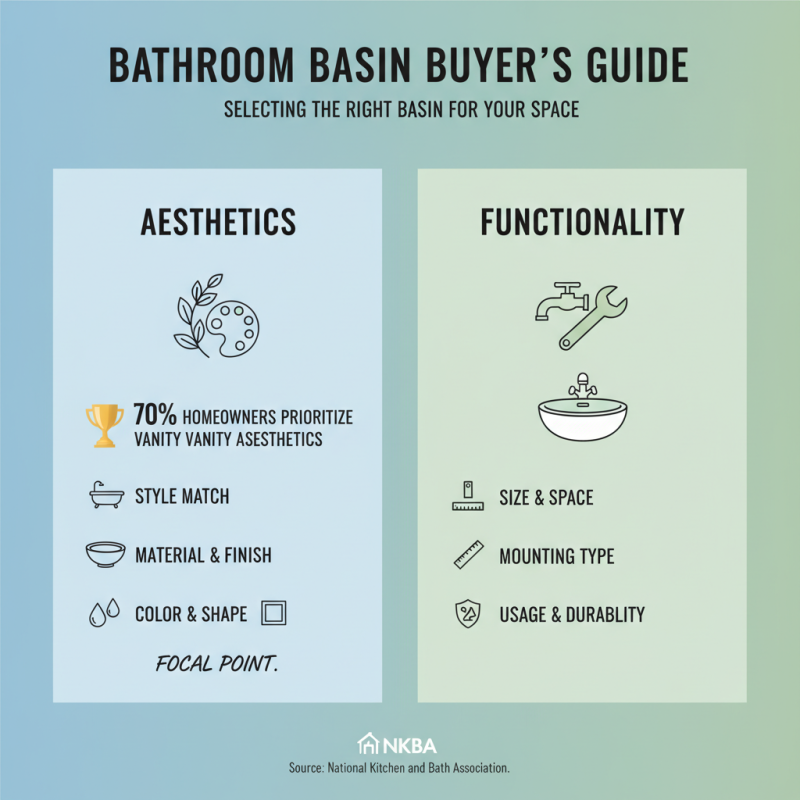
Choosing the right bathroom basin can significantly enhance your space. It’s essential to consider both aesthetics and functionality. According to the National Kitchen and Bath Association (NKBA), 70% of homeowners prioritize vanity aesthetics. This highlights the importance of selecting a basin that complements your bathroom style. A well-chosen basin can become the room's focal point.
Space constraints are another critical aspect. Many homeowners overlook sizing. NKBA reports that 60% of bathroom remodels fail due to scale issues. A compact basin may suit smaller areas better, while a larger space allows for more elaborate designs. Carefully assessing your available space can prevent costly remodeling errors.
Materials play a vital role. Popular options include porcelain, glass, and stone. Each brings different maintenance and aesthetic considerations. Porcelain is durable yet may lack uniqueness. Alternatively, glass can offer elegance but may require more upkeep. Data from Home Improvement Research Institute show that 45% of buyers prioritize longevity in their decisions. Balancing durability with personal taste is essential in this choice. Remember, your basin should not only look good but also serve your needs efficiently.