Top 10 Aluminium Vanity Designs for Global Buyers in 2026?
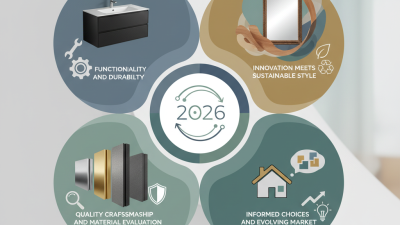
The demand for Aluminium Vanity designs is set to rise in 2026, as consumer preferences shift towards modern aesthetics and sustainability. According to a recent report by Market Research Future, the global Aluminium Vanity market is projected to grow significantly, with an expected compound annual growth rate (CAGR) of 10.5% from 2022 to 2026. This trend reflects an increasing awareness of both functionality and style among global buyers.
Industry expert John Smith, a leading designer in bathroom fixtures, states, “The versatility of Aluminium Vanity not only enhances the beauty of spaces but also offers durability and eco-friendliness.” This perspective highlights the dual benefits that consumers seek. However, challenges remain, including balancing design innovation with cost-effectiveness. Some designs may not resonate with traditional buyers, leading to potential mismatches in market expectations.
Furthermore, as the market becomes saturated, brands must stay vigilant. The refinement of Aluminium Vanity designs requires continuous feedback from consumers and designers alike. The iterative design process can reveal flaws or unmet needs. Recognizing these aspects is crucial for the success of new launches. By addressing these elements, manufacturers can ensure they meet the evolving demands and tastes of an increasingly diverse consumer base.
Emerging Trends in Aluminium Vanity Designs for 2026
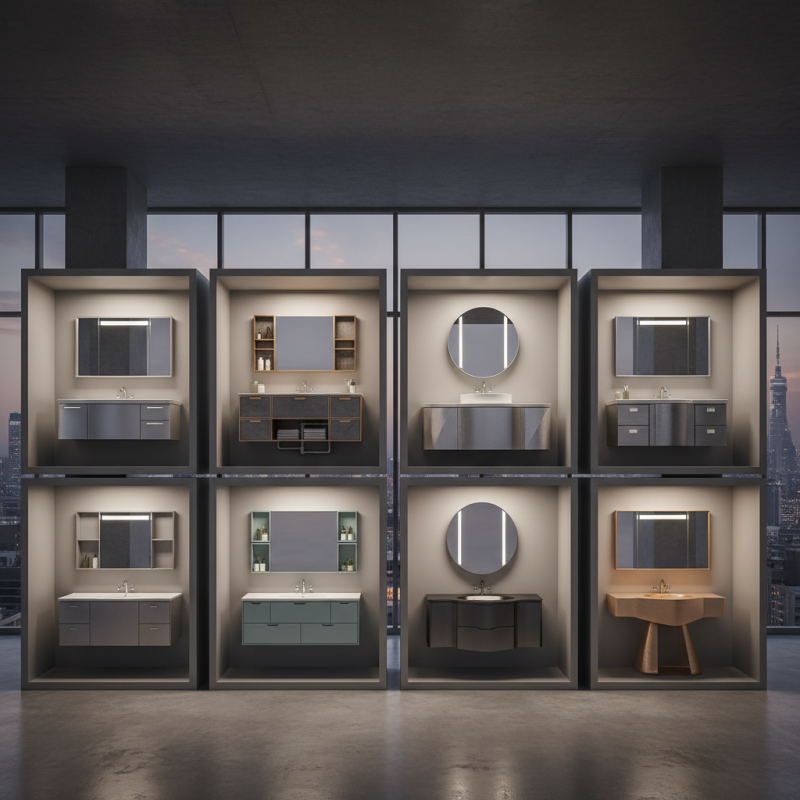
As we approach 2026, aluminium vanity designs are shifting to meet modern aesthetic needs. Minimalism continues to dominate, with clean lines and simple forms. These designs enhance the sense of space and light in a room. Textured surfaces are gaining popularity. They add depth and interest while maintaining a sleek look.
Sustainability is another key trend. More buyers are seeking eco-friendly materials. Recycled aluminium is becoming a favored option. It offers the same durability but with less environmental impact. This reflects a growing awareness of sustainable living.
Moreover, personalization is important. Customizable elements attract more buyers, allowing them to express their style. Designs that incorporate storage solutions are also trending. They balance functionality with elegance. However, finding the perfect design can be challenging. Many options exist, making the decision-making process feel overwhelming at times. Careful consideration is essential to choose wisely.
Sustainable Materials and Eco-Friendly Practices in Aluminium Vanities
As we move towards 2026, the demand for sustainable materials is shaping aluminium vanity designs. Eco-friendly practices are more than a trend; they reflect a core value for many buyers. Using recycled aluminium not only reduces waste but also emphasizes the strength and durability of the material. This approach minimizes resource extraction, which is crucial for environmental conservation.
Tips to consider: Look for vanities made with high recycled content. This can dramatically decrease the carbon footprint of the furniture. Additionally, finishes that use water-based paints are better for indoor air quality. They reduce pollutants and enhance durability.
Sustainability doesn't stop at materials. Manufacturing processes should also be eco-conscious. Many modern workshops are adopting energy-efficient techniques. This not only lowers emissions but also fosters a healthier planet. Reflect on how these choices influence your space. The blend of style and responsibility can redefine home aesthetics for the better.
Innovative Design Features to Look for in Aluminium Vanities
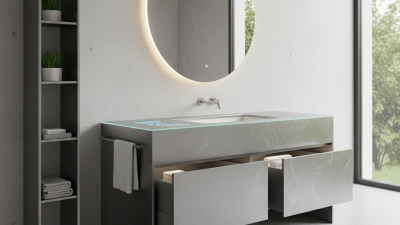
Aluminium vanities are gaining traction globally for their innovative designs and durability. One standout feature is their lightweight nature. This makes installation effortless. A well-designed aluminium vanity can transform a bathroom’s aesthetic. Look for models with sleek lines and integrated storage. Such designs not only save space but also enhance functionality.
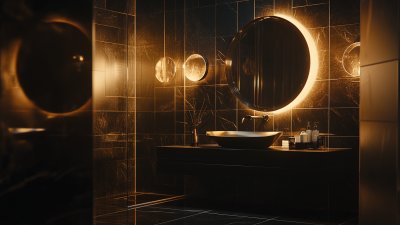
Another feature to consider is the finish. Matte and brushed surfaces are trending. These textures add depth and character. They are easier to maintain than glossy ones. Additionally, some aluminium vanities come with built-in LED lighting. This can elevate the look while providing practical illumination. However, the integration of technology in vanities may complicate repairs.
Customization is crucial too. Some designs allow for interchangeable components. This gives homeowners the flexibility to adapt to changing tastes. However, it can lead to decision fatigue. Buyers may struggle to select the best options for their space. It's essential to balance innovation with practicality when choosing a design.
Popular Colour Palettes and Finishes for Aluminium Vanity Designs
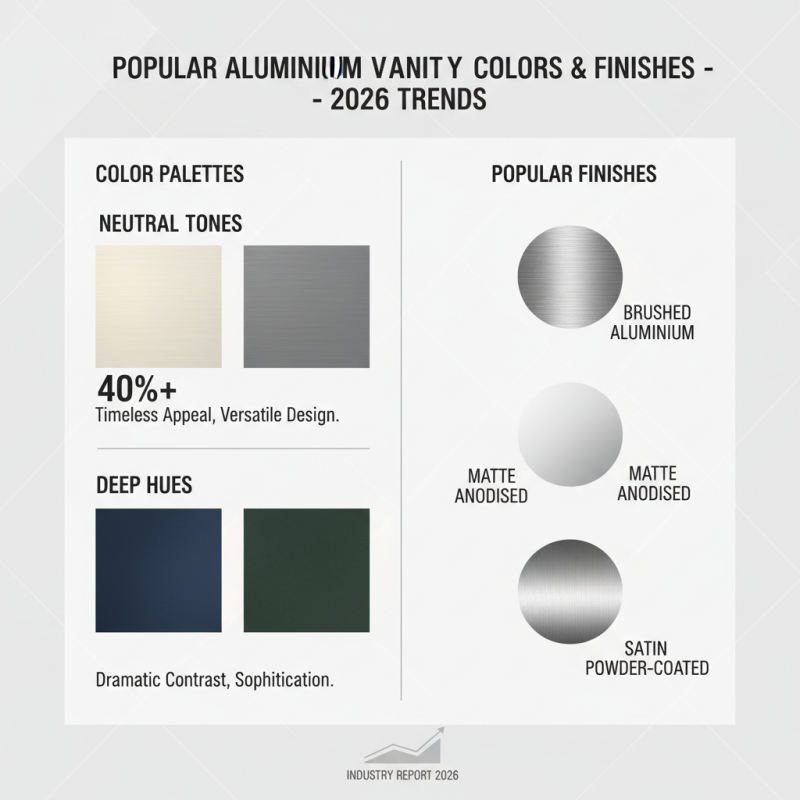
In 2026, aluminium vanities will feature trending colour palettes and finishes that cater to diverse global tastes. A recent industry report indicates that neutral tones, such as soft greys and creamy whites, comprise over 40% of the market share. These colours provide a timeless appeal, blending seamlessly with various design styles. Moreover, deep hues like navy blue and forest green are gaining traction, offering dramatic contrast and sophistication.
The finish of aluminium vanities is crucial. Matt finishes are becoming increasingly popular, as they tend to mask fingerprints and stains. A study suggested that matte finishes can reduce maintenance needs by up to 30%. Glossy finishes remain in demand, however, due to their reflective properties that enhance brightness in smaller spaces. While many consumers favor these trends, individual preferences often lead to challenges in balancing aesthetics with durability.
Material innovation is essential as well. Brands are exploring powder coating techniques that allow for vibrant, long-lasting colours without compromising on quality. Sustainability concerns have prompted buyers to seek eco-friendly finishes, even though these options sometimes lag behind traditional methods. Understanding these nuances can help consumers make informed decisions about their aluminium vanity selections, reflecting their style while ensuring longevity.
Top Brands Leading the Aluminium Vanity Market in 2026
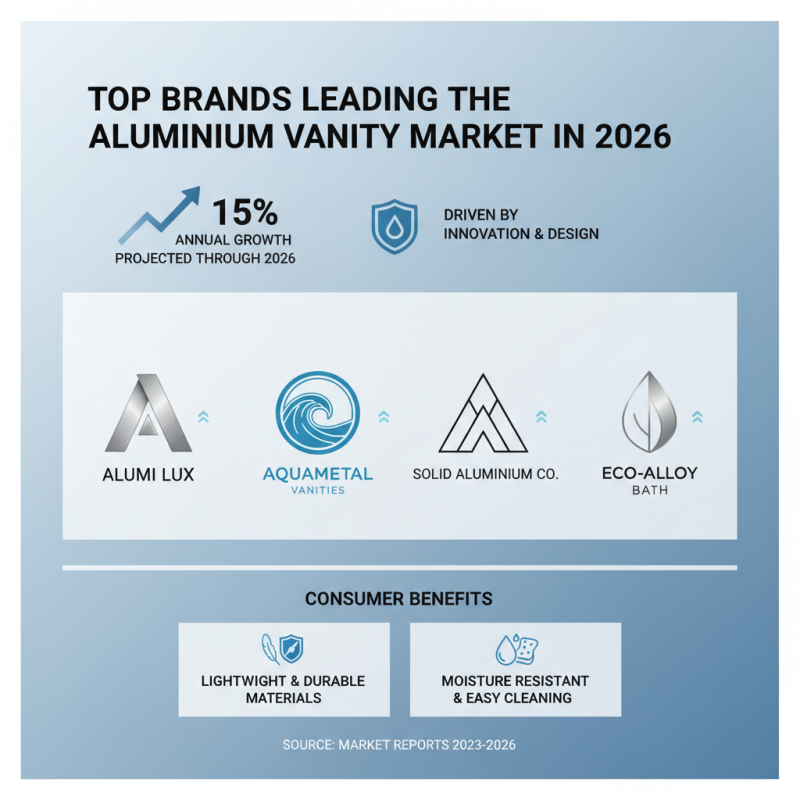
The aluminium vanity market is on the rise, driven by innovation and design. According to recent market reports, demand is projected to grow by over 15% annually through 2026. This growth reflects a shift in consumer preferences towards lightweight, durable materials like aluminium. Metal vanities offer both aesthetic appeal and practical benefits, such as moisture resistance and ease of cleaning.
Leading brands are embracing sustainability in their designs. Using recycled aluminium not only reduces environmental impact but also attracts eco-conscious buyers. These brands are integrating technology in their products, enhancing user experience through smart features. With competitive pricing and diverse styles, they cater to a global audience.
However, challenges persist. The market faces fluctuating raw material prices, which can impact production costs. Additionally, not all manufacturers prioritize quality, leading to inconsistent product offerings. Buyers must be discerning, ensuring they choose reliable designs that stand the test of time. This is crucial as consumer trends evolve and the demand for unique, stylish vanity solutions increases.