Top 10 Sanitary Ware Products for Global Buyers in 2026?
In the evolving landscape of the Sanitary Ware industry, global buyers face an array of choices in 2026. Renowned expert Dr. Emily Carter, known for her insights in the sector, emphasizes, "Innovation is key to enhancing user experience in Sanitary Ware." This highlights the importance of adopting advanced technologies while maintaining functionality.
As sustainability becomes a priority, manufacturers must balance eco-friendly designs with consumer demands. The rise of smart technology in Sanitary Ware presents new opportunities, but challenges exist. Buyers need to stay informed about quality and durability, which can often vary significantly among brands.
Accessing reliable information is crucial for making informed decisions. Buyers today seek products that reflect both personal style and environmental responsibility. Thus, understanding trends and innovations in Sanitary Ware can be transformative for the market. However, not all products meet these standards, which necessitates careful consideration and research.
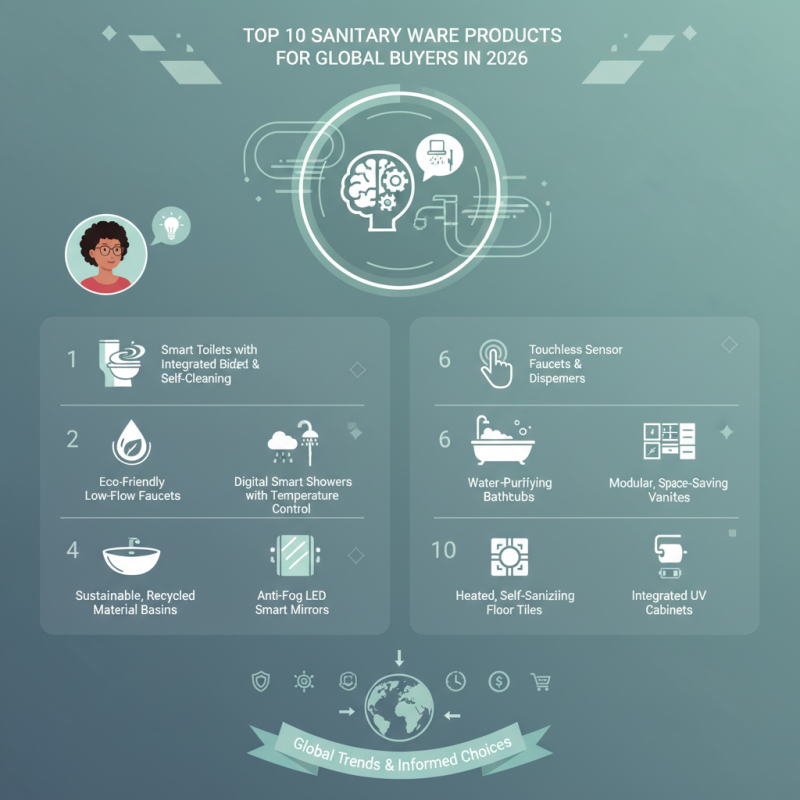
Top 10 Innovations in Sanitary Ware for 2026 Global Market
As the sanitary ware market evolves, innovation plays a crucial role. By 2026, the global market for sanitary ware is expected to reach over $100 billion, driven by technological advancements. One exciting trend is the rise of smart toilets that offer automated features. These toilets enhance hygiene and user experience through innovative designs and functionalities.
Moreover, water-saving technologies focus on sustainability. Reports indicate that by incorporating dual-flush systems and aerated faucets, households can reduce water usage by up to 30%. This change not only lowers utility bills but also conserves valuable water resources. In addition, antimicrobial surfaces in sanitary ware are gaining popularity. Such surfaces help maintain cleanliness and reduce the risk of infections, addressing growing health concerns.
Despite these advancements, challenges persist. Implementation costs for high-tech products can be prohibitive, especially in developing regions. Consumer resistance to new technology also exists, as many prefer traditional solutions. It’s essential for manufacturers to consider diverse consumer preferences while pushing for progress. Balancing innovation with accessibility will be crucial for the industry’s growth in the coming years.
Sustainable Materials Transforming the Sanitary Ware Industry
The sanitary ware industry is undergoing significant transformation through sustainable materials. This shift reflects growing environmental awareness among consumers and manufacturers alike. Eco-friendly options, such as recycled ceramics and biodegradable composites, are becoming popular. These materials not only reduce waste but also enhance product durability. Buyers are increasingly seeking products that have a lower carbon footprint.
There are challenges in sourcing these sustainable materials. Suppliers must ensure consistent quality while maintaining eco-credentials. The cost of production can be higher too. Not all manufacturers are ready to make the switch. This gap creates an opportunity for innovative companies willing to invest in sustainable practices. Product designs must also adapt, integrating aesthetics with functionality in mind.
Sustainable practices also impact design trends. Minimalistic styles that emphasize simplicity are on the rise. Buyers appreciate functional elegance in products. Communication about sustainable credentials can be tricky. Some companies may exaggerate their commitments. This makes it essential for buyers to research and verify claims. Consumer education plays a crucial role in driving genuine sustainability in the industry.
Smart Technology Integration in Sanitary Products for Enhanced User Experience
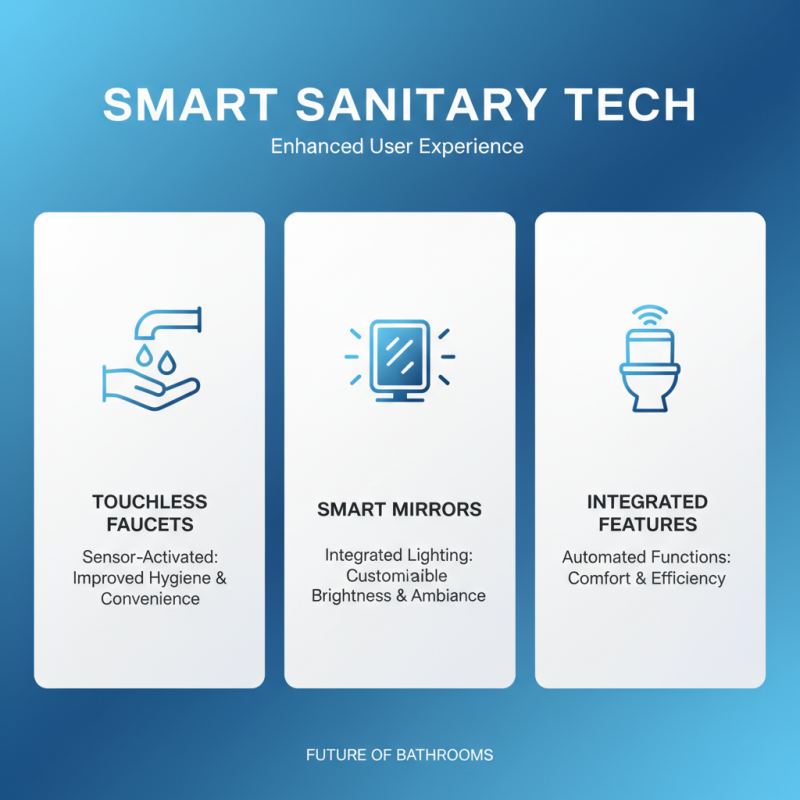
The integration of smart technology in sanitary ware is revolutionizing user experiences. Advanced features enhance functionality and convenience for everyday use. For example, touchless faucets utilize sensors to help maintain hygiene by eliminating the need for manual contact. Smart mirrors with integrated lighting allow users to adjust brightness easily.
However, the implementation of such technologies is not without challenges. Many consumers find the learning curve associated with smart devices daunting. Some products may lack intuitive interfaces, leading to frustration. As technology progresses, designers must ensure user-friendly features.
Additionally, data privacy concerns arise with interconnected devices. Users sometimes hesitate to adopt smart sanitary products due to fears about data security. Balancing innovation and user trust is crucial. Providing transparency about data usage can encourage more people to embrace these advancements in daily life.
Design Trends Shaping the Future of Sanitary Ware in 2026
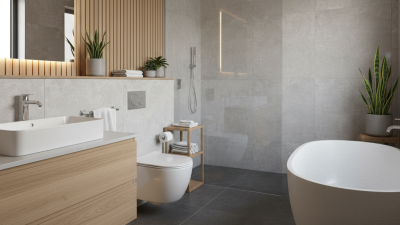
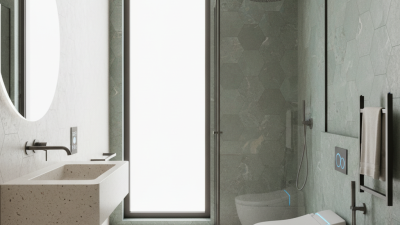
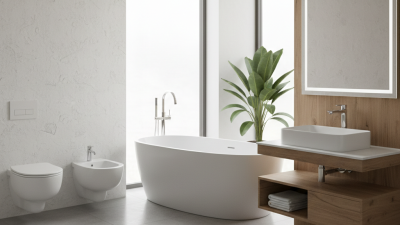
The future of sanitary ware in 2026 is driven by innovative design trends. Minimalism will dominate, with clean lines and simple forms. Natural materials like stone and wood will enhance aesthetics, offering warmth in modern spaces. Colors will shift towards earth tones and soft pastels, bringing a calming effect to bathrooms.
Functionality is just as essential as aesthetics. Smart technology integration will improve user experience. Automatic faucets and self-cleaning toilets will become standard. However, concerns about technology reliability persist. Users may question durability and maintenance of such advanced features. Additionally, sustainability remains a critical focus. Eco-friendly materials will be prioritized, yet sourcing them sustainably poses challenges.
Another trend is the rise of customizable designs. Homeowners will want unique pieces that reflect their personal style. This could lead to a demand for bespoke creations. However, achieving this without escalating costs will be difficult. Balancing individuality with affordability is a challenge that manufacturers will need to tackle. As we look toward 2026, these trends will evolve, reflecting an ever-changing consumer landscape.
Top 10 Sanitary Ware Products for Global Buyers in 2026
| Product Name |
Material |
Design Style |
Sustainability Features |
| Eco-Friendly Toilet |
Ceramic |
Minimalist |
Water-saving technology |
| Smart Shower System |
Stainless Steel |
Futuristic |
Energy-efficient |
| Touchless Faucet |
Brass |
Contemporary |
Sensor-activated |
| Bidet Toilet Seat |
Plastic |
Modern |
Reduced paper usage |
| Water-efficient Bath |
Acrylic |
Classic |
Low flow features |
| LED Mirror |
Glass |
Sleek |
Energy-efficient lighting |
| Freestanding Bathtub |
Stone Resin |
Luxury |
Recycled materials |
| Compact Bathroom Sink |
Porcelain |
Space-saving |
Low water consumption |
| Bathroom Storage Solutions |
Wood |
Rustic |
Sustainable sourcing |
| Anti-slip Shower Mat |
Rubber |
Practical |
Recyclable materials |
Market Analysis: Key Players and Growth Opportunities in Sanitary Products
In 2026, the sanitary ware market is set for significant evolution. Buyers worldwide are looking for products that enhance hygiene and functionality. Key players in this market are emphasizing innovation to meet growing consumer demands. The focus is on eco-friendly materials and smart technologies. Companies are now exploring how to make products more sustainable and user-friendly.
Market analysis shows that growth opportunities lie in emerging economies. These regions have increasing urbanization and rising disposable incomes. Consumers are becoming more discerning about quality and design. Manufacturers face the challenge of integrating modern aesthetics with functionality. It is essential to stay updated with local market preferences.
Investing in research and development is crucial. Brands need to understand regional specificities and cultural influences. Collaboration with local designers might provide insights into consumer behavior. Ignoring these factors may lead to product mismatches and lost opportunities. The dynamics of the market call for adaptability and keen observation. The future of sanitary ware is bright, but only for those who are willing to innovate and learn.