Top 10 Sanitary Ware Trends You Need to Know in 2026?
As the demand for innovative and sustainable solutions grows, the Sanitary Ware industry is embracing exciting trends for 2026. A recent market analysis report indicated a projected growth rate of 6.2% CAGR over the next five years. This reflects consumers’ increasing preference for quality and eco-friendly products. Industry expert Dr. Emily Chen says, "The future of Sanitary Ware lies in blending functionality with aesthetic appeal."
Trends such as smart bathroom technology, water-saving designs, and organic materials are gaining traction. In 2026, we may see more adaptive fixtures that cater to diverse needs. For example, hands-free faucets and self-cleaning toilets not only enhance convenience but also contribute to hygiene. However, there are still challenges in implementing these technologies widely. Issues like cost and accessibility must be considered.
Additionally, the aesthetic aspect cannot be overlooked. Designers are now focused on creating beautiful yet functional Sanitary Ware products. This shift demands a balance between style and practicality. It reminds us to reflect on how our choices impact our environment and daily lives. As we explore these trends, we must remain vigilant about sustainability and innovation.
Advancements in Sustainable Materials for Sanitary Ware in 2026
In 2026, sustainability in sanitary ware will see substantial growth. Manufacturers are focusing on eco-friendly materials. Biodegradable plastics and recycled metals will become standard. These materials reduce environmental impact significantly. Some innovations may lack durability, prompting consumer concerns. A balance between sustainability and performance is crucial.
Water-efficient designs are another trend. Fixtures will utilize less water without compromising functionality. Consumers may need education on their proper use. While many innovations are promising, not all are user-friendly. Some designs might be complex or visually unappealing. This creates a challenge for manufacturers aiming for widespread adoption.
Additionally, smart technologies are being integrated into sanitary ware. Sensors and automated systems will enhance user experience. Yet, this advancement may alienate those who prefer simplicity. Some users may find these high-tech options overwhelming. It's essential to merge technology with intuitive design to meet diverse consumer needs.
Smart Technology Integration in Bathrooms: The Rise of IoT Solutions
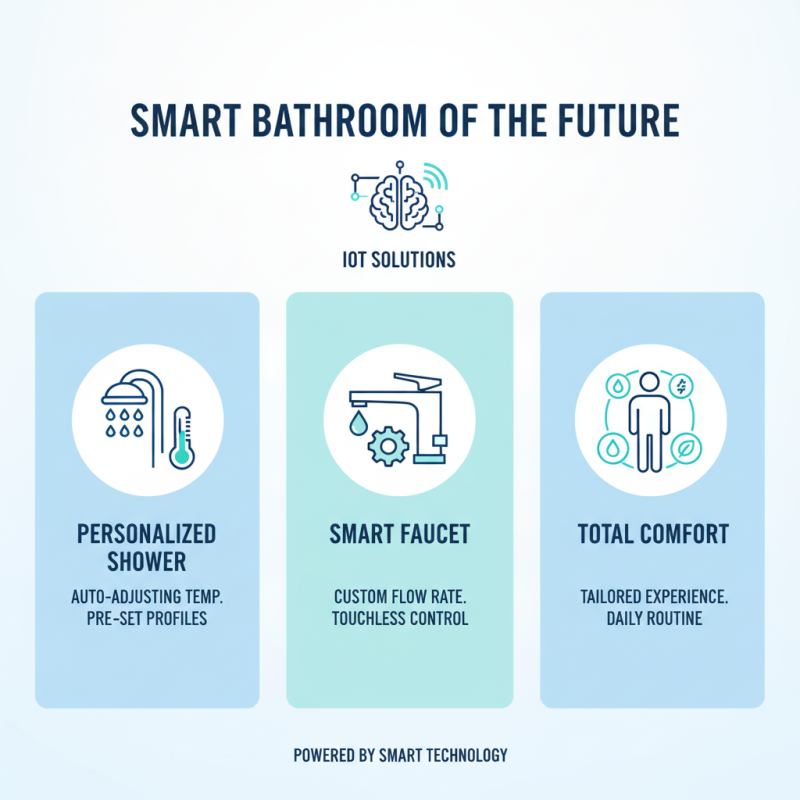
The bathroom of the future is here, fueled by the rise of smart technology. Internet of Things (IoT) solutions are transforming how we interact with our bathrooms. Imagine a shower that adjusts the temperature just for you. Smart faucets can provide water at your preferred flow rate. These features help create a personalized experience that caters to your daily needs.
One key tip for embracing this technology is to prioritize user-friendly interfaces. Complicated systems can lead to frustration. It’s essential that everyone in your household, regardless of tech-savviness, can easily use these devices. Think about touchscreen controls that display clear options.
Moreover, consider the energy efficiency that smart tech can offer. IoT solutions can monitor water usage in real-time. This helps cut down on waste and may lower your utility bills. But remember, it’s important to stay aware of how much automation you really need. Too many gadgets can be overwhelming and stressful. Simplifying your choices can lead to a more relaxing bathroom environment.
Minimalist and Streamlined Designs: The Future Aesthetic of Sanitary Ware
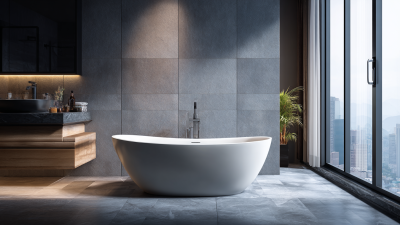
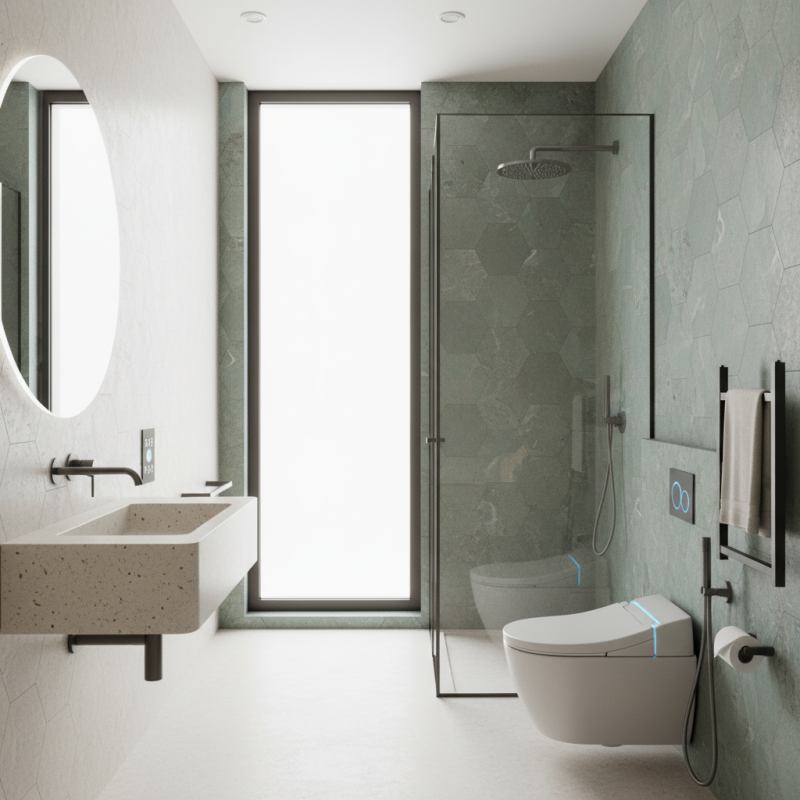
In 2026, the world of sanitary ware is shifting towards minimalist and streamlined designs. This trend focuses on simplicity and function. Clean lines and uncluttered spaces dominate this new aesthetic. Bathrooms will transform into serene retreats, enhancing relaxation. A few carefully chosen pieces can make a big impact.
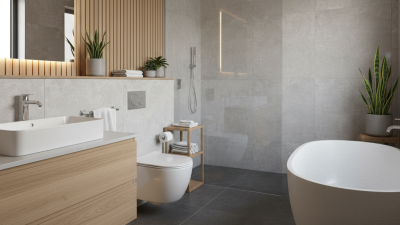
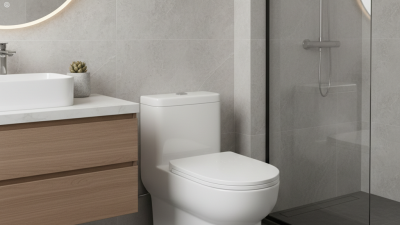
Imagine a bathroom where every element serves a purpose. Wall-mounted sinks and floating vanities create an air of openness. Soft, neutral colors invite tranquility. Yet, achieving true minimalism can be challenging. Homeowners often struggle with clutter. Balancing style and practicality becomes essential. Each item must be thoughtfully selected to avoid visual chaos.
Textures and subtle patterns emerge as key design components. Smooth ceramics paired with natural wood can create warmth. Consider using soft lighting to enhance the mood. While these designs are appealing, they demand attention to detail. Flaws in craftsmanship can stand out in a minimalist space. Reflecting on these elements is crucial for achieving a harmonious bathroom aesthetic.
Top 10 Sanitary Ware Trends You Need to Know in 2026
| Trend |
Description |
Impact on Design |
Sustainability Level |
| Minimalist Aesthetics |
Focus on clean lines and simplicity. |
Increases space perception. |
High |
| Smart Technology Integration |
Incorporation of IoT in sanitary products. |
Enhances user experience. |
Medium |
| Eco-Friendly Materials |
Use of recycled and sustainable materials. |
Promotes environmental consciousness. |
Very High |
| Freestanding Fixtures |
Stand-alone tubs and sinks for dramatic effect. |
Creates a focal point in the bathroom. |
Medium |
| Monochromatic Color Schemes |
Single-color themes with textural contrast. |
Enhances visual cohesion. |
Low |
| Compact Designs |
Space-saving options for small areas. |
Ideal for urban living. |
Medium |
| Enhanced Water Efficiency |
Fixtures designed to conserve water. |
Promotes sustainability in usage. |
Very High |
| Customizable Solutions |
Personalized options for individual preferences. |
Enhances user satisfaction. |
Medium |
| Textured Finishes |
Rough textures for tactile appeal. |
Adds depth to design. |
Low |
| Integrated Lighting |
Built-in lights in fixtures for ambiance. |
Transforms bathroom atmosphere. |
Medium |
Water Efficiency Innovations: Eco-Friendly Trends in 2026
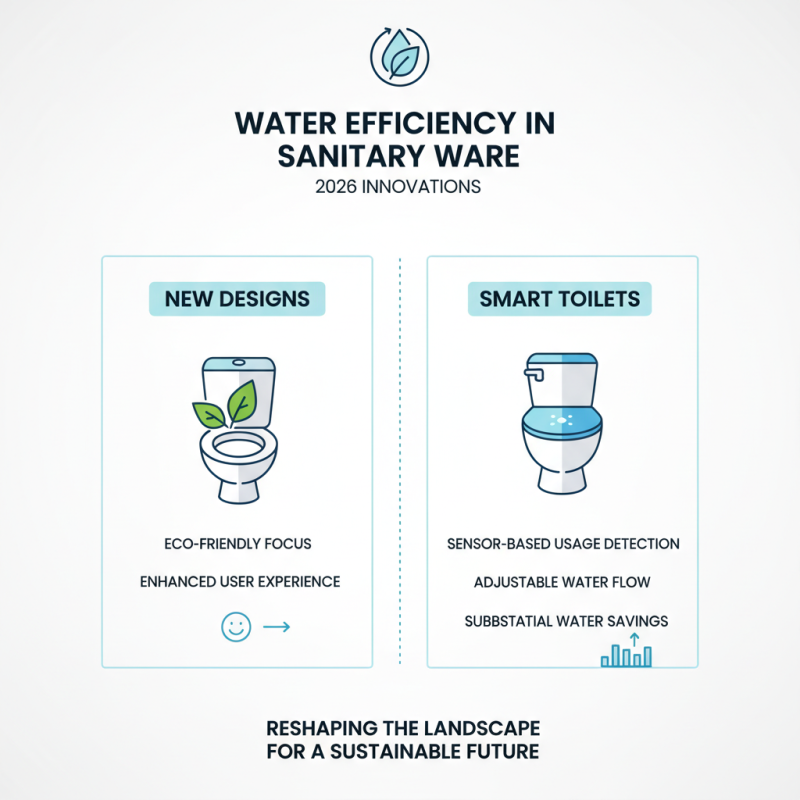
In 2026, water efficiency innovations will reshape the sanitary ware landscape. Many expect new designs that prioritize eco-friendliness while enhancing user experience. Smart toilets equipped with sensors can detect usage patterns. These toilets can adjust water flow to minimize waste. Such technology can contribute to substantial water savings.
Furthermore, innovative materials will emerge. Biodegradable composites may replace traditional plastics in bathroom fixtures. This shift could lead to reduced environmental impact. However, achieving durability in these new materials remains a challenge. Designers must balance sustainability with longevity.
Showers may adopt water-saving systems, where flow rates can adjust based on user preferences. This approach not only conserves water but also provides a personalized shower experience. Unfortunately, some designs might sacrifice comfort for efficiency. Consumers may need to rethink their definitions of luxury in the bathroom.
Personalized Bathroom Experiences: Customization and Health Focus
Personalized bathroom experiences are transforming the way we approach wellness and hygiene. Research indicates that 75% of homeowners now prioritize customization in their bathrooms. Features tailored to individual preferences make daily routines more enjoyable. Data from industry reports show that personalized showers, adjustable lighting, and smart mirrors are leading the way in 2026.
Health-focused strategies are essential too. Many consumers seek products that promote relaxation and stress relief. According to a recent study, over 60% of people reported improved mental health when using personalized bathroom features. Customizable water pressure and temperature in showers benefit physical well-being. However, there is a challenge in balancing aesthetics with practicality. Some designs might look good but lack functionality.
Accessibility remains a key concern. Many new designs overlook the needs of elderly users or those with disabilities. Focusing too much on luxury can create gaps in usability. The industry must reflect on its responsibility to cater to all users. Ultimately, the goal should be inclusivity while maintaining a strong emphasis on health and personalization.