Top Sanitary Ware Tips for Global Buyers to Consider?
The global sanitary ware market has shown remarkable growth, projected to reach $US 100 billion by 2025, according to a recent industry report. Buyers have an opportunity to invest in high-quality products while navigating various challenges. Sanitary ware, including toilets, sinks, and faucets, plays a crucial role in modern construction. Its importance should not be overlooked in design and functionality.
When selecting sanitary ware, buyers must consider factors that impact quality and durability. Material selection can significantly influence product lifespan and maintenance needs. However, many buyers often overlook the significance of water-saving technologies in their purchasing decisions. Technologies, such as dual-flush systems, can conserve water without compromising performance.
Moreover, consistency in branding and environmental certifications are vital. Products that meet international standards can assure reliability and safety. Unfortunately, not all sanitary ware manufacturers maintain transparency regarding product specifications. Buyers should actively seek out reputable brands and verify their claims to avoid future regrets. Investing in sanitary ware requires careful thought and informed decision-making to ensure lasting value.
Understanding Different Types of Sanitary Ware Available Globally
When exploring global sanitary ware options, it's vital to understand the diversity available. Sanitary ware encompasses a range of products, including toilets, sinks, and bathtubs, each available in various materials and designs. According to a recent industry report by Grand View Research, the global sanitary ware market is projected to reach $150 billion by 2027, driven by growing urbanization and increasing disposable income.
Choosing the right material is crucial. Ceramic is the most common, known for durability and ease of cleaning. However, vitreous china offers a smoother finish, enhancing aesthetics. For a more contemporary look, tempered glass products are gaining popularity in luxury homes. Metal options like stainless steel provide durability but may require specialized maintenance.
Tip: Always consider installation requirements and compatibility with your existing plumbing. Investing in eco-friendly options, such as low-flow toilets, can significantly reduce water usage. Moreover, understanding the local climate can help in selecting appropriate materials, as some may be more susceptible to wear from humidity or temperature changes. Don't overlook the importance of local regulations and standards, which may impact your choices.
Top Sanitary Ware Tips for Global Buyers to Consider
| Type of Sanitary Ware |
Material |
Key Features |
Maintenance |
| Toilets |
Ceramic |
Durable, Easy to Clean |
Wipe with mild cleaner |
| Sinks |
Stainless Steel |
Corrosion-resistant, Modern Look |
Regular cleaning to avoid stains |
| Bathtubs |
Acrylic |
Lightweight, Insulating |
Use soft cloth and mild detergents |
| Showers |
Glass |
Stylish, Modern Appearance |
Clean with vinegar solution |
Evaluating Quality Standards and Certifications for Sanitary Products
When evaluating sanitary products, quality standards and certifications are crucial factors. Many global buyers overlook these aspects. According to a recent report from the International Organization for Standardization (ISO), over 30% of sanitary ware products fail to meet basic quality standards. These figures are alarming and emphasize the importance of rigorous assessments.
Certifications such as those from NSF International or the American National Standards Institute (ANSI) indicate compliance with safety requirements. These organizations analyze materials and performance rigorously. A product with proper certifications is less likely to contain harmful substances. Buyers should never assume all products meet safety standards.
Inconsistent quality can lead to problems down the line. A lack of oversight in production can result in defective items, affecting functionality and user safety. It is essential to verify certifications directly. Reading reviews and seeking third-party inspections can enhance buyer confidence. Ignoring these details may lead to costly mistakes in the long run. Quality assurance should be non-negotiable for buyers looking to make informed decisions.
Top Sanitary Ware Quality Standards and Certifications
Exploring Sustainable and Eco-Friendly Options in Sanitary Ware
When exploring sanitary ware, sustainability and eco-friendliness play a crucial role. Many buyers now seek products that not only serve their functional purpose but also reduce environmental impact. Optimizing water usage is a key consideration. Toilets with dual flush options help save significant amounts of water. This can lead to lower utility bills and also conserve a precious resource.
Another aspect to consider is the materials used in sanitary ware production. Products made from recycled or naturally sourced materials are increasingly popular. Ceramics and glass can be both stylish and sustainable. However, durability must be assessed. Not all sustainable materials guarantee long-lasting quality, leading to potential waste in the long run. It’s essential to balance aesthetics, functionality, and eco-friendliness.
Moreover, think about the end of life for these products. Biodegradable components are a selling point, yet not all manufacturers prioritize this. Researching brands that commit to sustainable practices is vital. This journey might reveal conflicting information. Some eco-friendly claims may lack transparency, requiring deeper investigation. Staying informed helps make better purchasing decisions in the evolving market of sanitary ware.
Selecting the Right Sanitary Ware for Different Markets and Cultures
When selecting sanitary ware for various markets and cultures, it's essential to understand local preferences and norms. Different regions have unique tastes in design, size, and functionality. For instance, minimalist styles may appeal to buyers in urban areas, while more ornate designs might attract those in rural settings. Cultural factors can influence choices in materials as well. In some places, natural stone is favored, while in others, porcelain takes precedence.
Functionality also matters greatly. In countries with limited water supply, water-efficient fixtures are a top priority. Local regulations around hygiene and sustainability can vary significantly. It's vital to stay updated on these. Participating in regional trade shows or forums may provide insights. However, relying solely on online trends could lead to misunderstandings. Markets can shift rapidly, and what worked last year may no longer be relevant.
Trying to navigate these differences can be challenging. Some buyers may make unwise assumptions about universal preferences. Thus, thorough market research is critical. Engaging directly with local experts can help in avoiding potential pitfalls. Listening to customer feedback can lead to better decisions in selecting sanitary ware that suits each market's needs effectively.
Navigating Supplier Relationships and Negotiating Best Prices in Global Trade
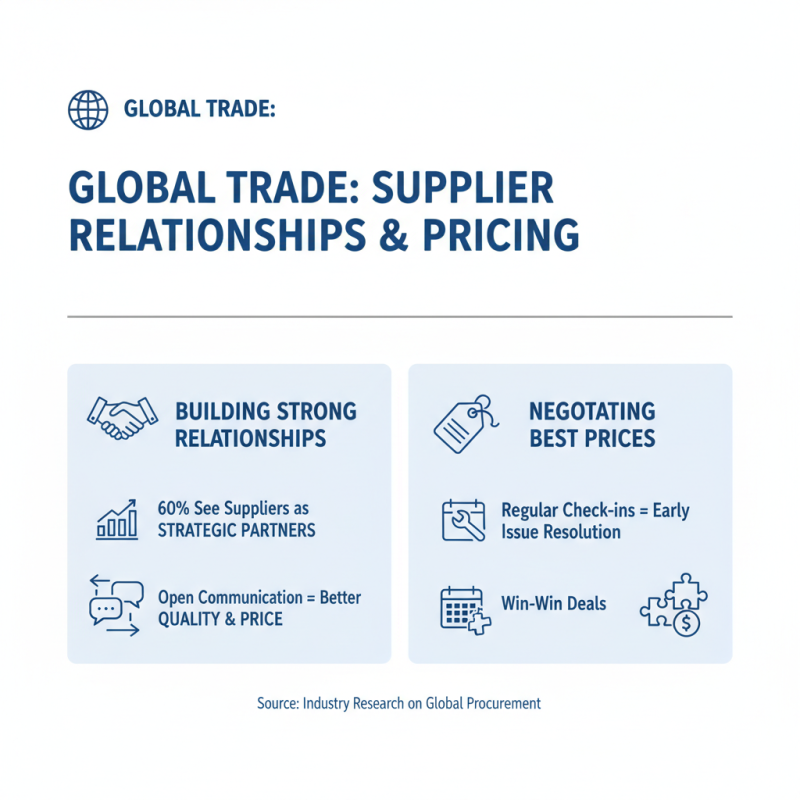
Building strong supplier relationships is crucial for global buyers of sanitary ware. Research shows that nearly 60% of companies view their suppliers as strategic partners rather than mere vendors. This shift can lead to better pricing and improved product quality. Maintaining open lines of communication is key. Regular check-ins can help address any potential issues early.
Negotiating the best prices requires an understanding of market trends. According to a recent report, the sanitary ware market is expected to reach $100 billion by 2025, driven by increased demand in emerging economies. Buyers must stay informed about material costs, labor rates, and shipping fees. Creating a win-win situation often involves compromise and patience. Some negotiations may not yield immediate results, highlighting the need for persistence.
It’s vital to assess potential suppliers thoroughly. Look for certifications and quality assurances. A supplier’s reputation can greatly impact the buying process, as 70% of buyers prefer vendors with strong sustainability practices. This reality emphasizes the need for transparency. Not every deal will be perfect, and reflecting on these experiences can drive better decision-making in the future.