What is Sanitary Ware and Its Importance in Modern Bathrooms?
In modern bathrooms, the importance of sanitary ware cannot be underestimated. Sanitary ware includes essential fixtures like toilets, sinks, and bathtubs. According to industry expert Mr. John Smith, "Sanitary ware is crucial for hygiene and comfort in any bathroom design."
These products not only fulfill functional needs but also contribute to the overall aesthetic of a bathroom. A well-designed sanitary ware can transform a dull space into a modern retreat. However, many people overlook the significance of quality materials and thoughtful design.
Choosing the right sanitary ware can be challenging. With so many options available, it’s easy to feel overwhelmed. Some may prioritize price over functionality, which can lead to future inconveniences. It's essential to reflect on both immediate and long-term needs. While trends change, a focus on quality sanitary ware remains a constant necessity.
What Defines Sanitary Ware in the Modern Bathroom Landscape?
Sanitary ware plays a crucial role in the design and functionality of modern bathrooms. Defined as products like sinks, toilets, and bathtubs, it impacts overall hygiene and aesthetics. A recent industry report states that the global sanitary ware market is projected to grow significantly, reaching a value of over $100 billion by 2026. This growth reflects a rising awareness of health standards and eco-friendly innovations within bathroom spaces.
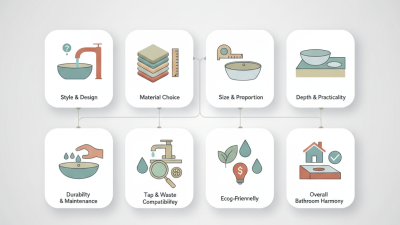
Tips for choosing sanitary ware: Always consider materials that promote hygiene, like ceramics and glass. Opt for designs that are easy to clean. Furthermore, your choices should align with local plumbing standards and water efficiency ratings. Often, people overlook the importance of size. Ensure your selected items fit comfortably within your space for maximum usability.
In an ideal world, all sanitary ware would be optimized for both style and practicality. However, there are limitations. Some products may not be durable or scratch-resistant. Additionally, the trends may shift, causing what seems essential today to feel outdated tomorrow. Always prioritize personal comfort over fleeting styles. The right sanitary ware enhances your daily routine while maintaining a connection to contemporary design.
Importance of Sanitary Ware in Modern Bathrooms
Key Materials Used in Sanitary Ware Production: Trends and Benefits
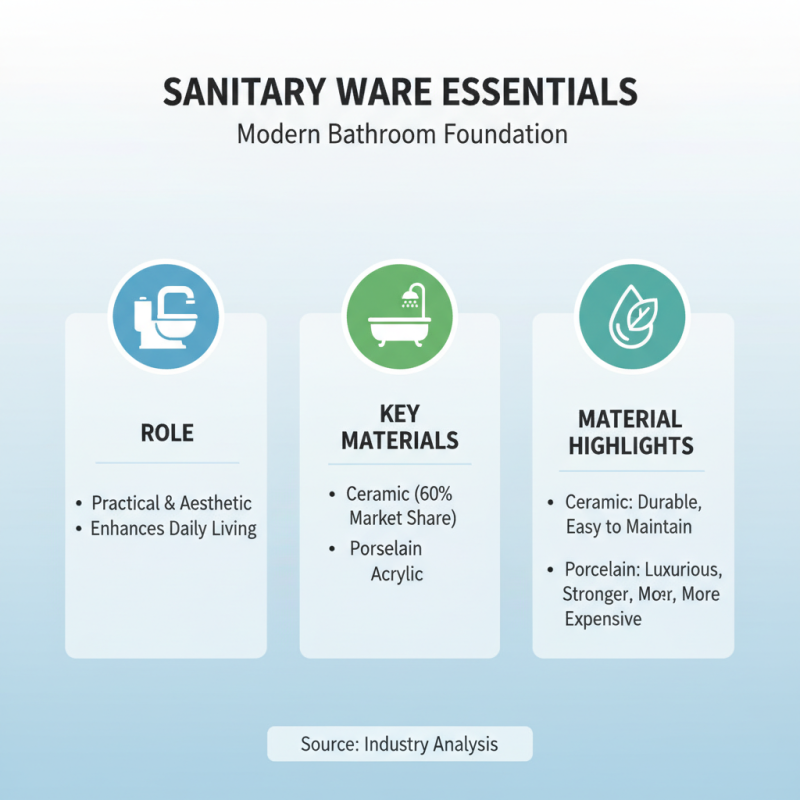
Sanitary ware is essential in modern bathrooms. It serves practical and aesthetic purposes that enhance daily living. Key materials used in sanitary ware production include ceramic, porcelain, and acrylic. Ceramic remains the most popular choice, accounting for about 60% of market share due to its durability and ease of maintenance. Porcelain, while more expensive, offers a luxurious feel and remarkable strength.
Recent trends emphasize sustainability. Many manufacturers now use recycled materials in their products. For example, acrylic is lightweight and offers versatility, allowing for creative designs. It constitutes roughly 30% of sanitary ware products, appealing to environmentally conscious consumers. However, some concerns arise regarding the long-term environmental effects of the production process. The water used in manufacturing can be significant, raising questions about resource use.
A study by Global Industry Analysts highlights a growing demand for smart sanitary ware. Features like smart toilets and touchless faucets are increasingly common. Yet, this technology can create a disparity in accessibility. High costs may limit adoption, especially in developing regions. There is room for improvement in making smart solutions affordable and widespread. Addressing these challenges is crucial for a balanced approach to modern bathroom solutions.
The Impact of Sanitary Ware on Hygiene Standards in Residential Spaces
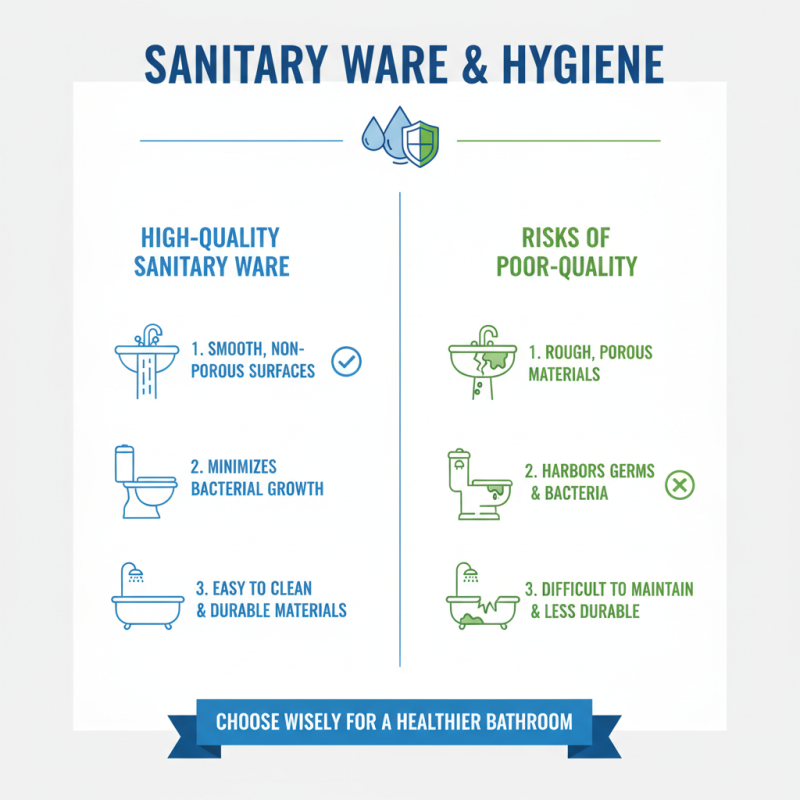
Sanitary ware plays a crucial role in maintaining hygiene standards in modern bathrooms. High-quality sinks, toilets, and bathtubs are designed with clean lines and smooth surfaces. These features minimize bacterial growth and make cleaning easier. However, not all sanitary ware is created equal. Some materials might not be as durable or easy to maintain, leading to hidden hygiene risks.
The impact of sanitary ware extends beyond individual health. Poor choices can result in water leakage or mold growth. This can create environments that foster unpleasant odors and diseases. For instance, a cracked toilet can harbor bacteria, posing risks to inhabitants. Regular maintenance and thoughtful selection of sanitary ware are essential to avoid these pitfalls.
Bathrooms are personal spaces but also public areas in homes. Guests often judge hygiene based on the state of these fixtures. It’s important to ensure sanitary ware projects cleanliness. Unkempt or outdated fixtures can send a negative message. This reality insists that attention to detail is key for both personal satisfaction and guest comfort.
Sustainability in Sanitary Ware: Innovations and Environmental Considerations
Sustainability in sanitary ware has gained prominence in recent years. Innovations are reshaping how we view our bathrooms. Traditional materials like ceramic are being complemented by sustainable options. Bamboo and recycled materials are becoming increasingly popular. These choices reduce environmental impact and promote eco-friendliness.
Water-efficient toilets and taps are another area of innovation. They minimize water usage without sacrificing performance. Many designs now focus on functionality. Smart technologies track water consumption, alerting users about waste. However, some installations can be complex or costly. This raises questions about accessibility for all homeowners.
While advancements are encouraging, challenges remain. Not every product labeled as “eco-friendly” meets high standards. It's essential for consumers to research. Awareness of sustainable practices helps drive change. Consumers must balance aesthetics, performance, and environmental ethics in their choices. Each decision in sanitary ware affects our planet’s future.
What is Sanitary Ware and Its Importance in Modern Bathrooms? - Sustainability in Sanitary Ware: Innovations and Environmental Considerations
| Attribute |
Description |
Importance |
Sustainability Features |
| Ceramic |
A traditional material used for sinks, toilets, and bathtubs; known for durability and aesthetics. |
Long-lasting, easy to clean, and resistant to stains. |
Often sourced from natural materials; can be recycled. |
| Porcelain |
A refined form of ceramic that offers an elegant look and superior finish. |
Highly durable and offers a glossy finish that enhances bathroom aesthetics. |
Energy-efficient production processes are being developed. |
| Glass |
Often used in shower panels and sinks, known for its sleek appearance. |
Creates a modern look and allows for versatility in design. |
Recyclable material that reduces landfill waste. |
| Composite Materials |
Engineered materials that combine natural fibers with resin. |
Allows for unique shapes and designs while maintaining strength. |
Made from recycled materials and contributes to reducing environmental impact. |
| Smart Technologies |
Integration of technology in fixtures for improved functionality. |
Increases efficiency and convenience in bathroom use. |
Energy-saving features reduce water and electricity consumption. |
Market Trends: Growth Statistics for the Global Sanitary Ware Industry
The global sanitary ware industry has seen remarkable growth in recent years. According to recent data, this market is projected to continue expanding. Factors like urbanization and increasing disposable incomes drive demand. Many people are now investing more in their bathrooms, seeking comfort and style.
In this evolving market, consumer preferences are changing. Many homeowners look for eco-friendly options, while others prioritize luxury features. Interestingly, some manufacturers have struggled to keep up with these trends. The gap between supply and demand can lead to missed opportunities. It’s essential for businesses to stay informed about market shifts.
Emerging trends also highlight the significance of technology. Smart sanitary ware is becoming popular. Yet, not every company is equipped to innovate. Adapting to technology requires investment and a willingness to change. Companies that fail to evolve may find themselves left behind in this competitive landscape.