What is a Foot Basin? Benefits, Types, and Usage Guide Explained
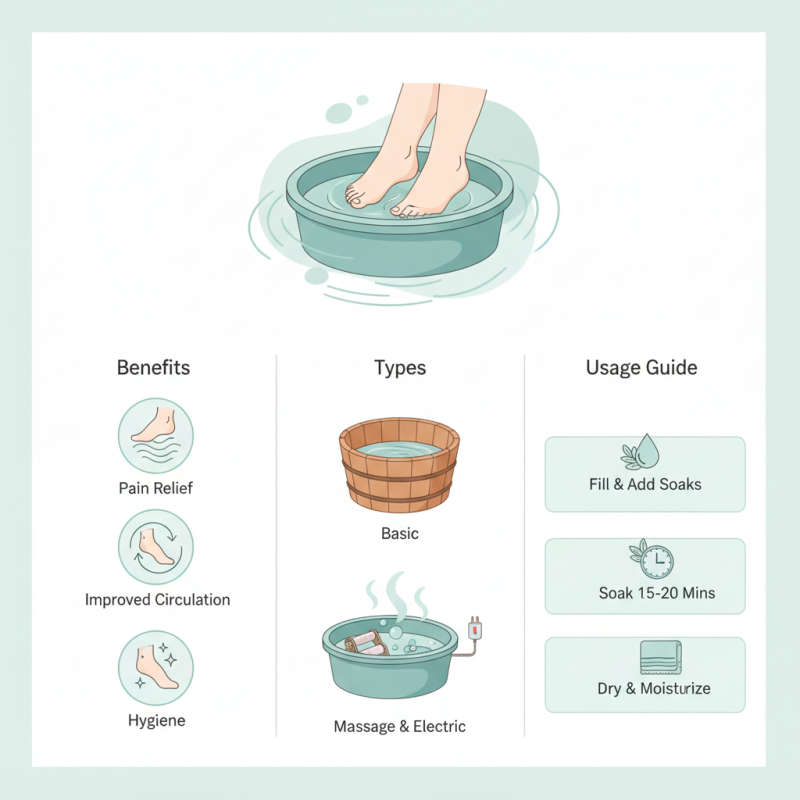
A foot basin, often overlooked in personal care routines, serves as a simple yet effective tool for foot health and relaxation. This versatile accessory is designed to provide a soothing experience, helping to alleviate discomfort caused by daily wear and tear on our feet. As we explore the various benefits and types of foot basins, it becomes evident that their use can significantly enhance personal hygiene and overall well-being.
Incorporating a foot basin into your wellness regimen can lead to numerous advantages, from easing foot pain to improving circulation. With options ranging from basic models to more luxurious versions equipped with added features, there is a foot basin to suit every individual's needs. This guide will delve into the different types available, their specific uses, and how to effectively incorporate them into your self-care practices, ensuring that your feet receive the attention they deserve.
What is a Foot Basin? Definition and Overview
A foot basin, often referred to as a foot bath or foot spa, is a dedicated container designed for soaking and rejuvenating the feet. Typically made from various materials such as
plastic, ceramic, or metal, these basins allow users to immerse their feet in warm water, often enhanced with salts, essential oils, or herbal infusions. In essence, a foot basin serves both therapeutic and aesthetic purposes, making it a popular choice in wellness routines and spa settings.
According to a report by the Global Wellness Institute, the wellness industry has expanded significantly, with foot care playing a pivotal role. Approximately 20% of adults in the U.S. engage in regular foot soaking practices as a method for relaxation and stress relief. The benefits of using a foot basin extend beyond mere relaxation; studies have shown that soaking the feet can improve circulation, reduce stiffness in joints, and alleviate common foot conditions such as athlete's foot. Moreover, the incorporation of therapeutic ingredients in the water can enhance the overall experience, contributing to skin health and promoting a sense of well-being.
Understanding the variety of foot basins available can aid users in selecting the right type for their needs. Foot basins come in various designs, including portable models for home use and larger, more elaborate setups found in spas. Additionally, some basins are equipped with features like jets for massage or temperature control settings, responding to the growing demand for personalized wellness experiences. Engaging in regular foot soaks can be a simple yet effective strategy for self-care, as highlighted by industry experts emphasizing the importance of foot health in overall wellness.
Historical Significance and Cultural Uses of Foot Basins
Throughout history, foot basins have served not only as practical tools for hygiene but also as significant cultural artifacts. In many ancient civilizations, such as those in Egypt and Rome, foot basins were utilized during ceremonial rituals and social gatherings, symbolizing purification and hospitality. The act of washing one’s feet was often associated with respect and reverence, particularly in religious contexts, where it signified the act of preparing oneself for a sacred space or occasion.
Culturally, foot basins have also found their place in various traditions. In Japanese culture, for instance, the practice of foot washing is often observed in traditional hot spring baths, known as onsens, where visitors cleanse themselves before entering communal waters. Similarly, in some Middle Eastern cultures, foot basins are employed during the washing rituals prior to prayers, highlighting the integration of cleanliness and spirituality. These practices not only reflect the importance of personal hygiene but also emphasize the cultural values surrounding community, respect, and ritual, showcasing how something as simple as a foot basin can carry deep historical significance.
Different Types of Foot Basins and Their Unique Features
Foot basins come in various types, each designed with specific features that cater to different therapeutic needs. The most common types include plastic basins, which are lightweight and portable, making them ideal for home use. These basins are generally affordable and easy to clean, appealing to everyday consumers. According to a market research report by Grand View Research, the global foot care market is projected to reach USD 14.8 billion by 2025, indicating a growing interest in foot wellness that extends to the popularity of foot basins.
Another notable type is the soaking foot basin, typically equipped with features like heating and massage functions. These high-end models are gaining traction among consumers seeking an enhanced relaxation experience. Research by market analysts reveals that nearly 60% of consumers prioritize therapeutic benefits when selecting foot care products. Additionally, materials used in basins can vary, from ceramic for aesthetic appeal to stainless steel for durability and easy maintenance. Each material offers unique benefits, catering to the preferences of a diverse customer base keen on investing in their foot health.
What is a Foot Basin? Benefits, Types, and Usage Guide Explained - Different Types of Foot Basins and Their Unique Features
| Type of Foot Basin |
Material |
Benefits |
Usage |
| Porcelain Foot Basin |
Porcelain |
Durable, easy to clean, retains heat |
Ideal for home use and spas |
| Plastic Foot Basin |
Plastic |
Lightweight, portable, inexpensive |
Great for travel and outdoor use |
| Wooden Foot Basin |
Wood |
Natural aesthetic, effective for soaking |
Best for home spa treatments |
| Steel Foot Basin |
Stainless Steel |
Highly durable, rust-resistant |
Perfect for salons and frequent use |
| Gel Foot Basin |
Gel material |
Comfortable, molds to feet |
Used in therapeutic settings |
Health Benefits of Using a Foot Basin Regularly
Using a foot basin regularly offers a multitude of health benefits that contribute to overall well-being. Soaking the feet in warm water can stimulate circulation, which is especially beneficial for individuals who experience poor blood flow or conditions like diabetes. The warmth of the water helps to dilate blood vessels, enhancing the delivery of oxygen and nutrients to the feet and promoting healing. Additionally, improved circulation can alleviate swelling and reduce pain associated with various foot ailments.
Beyond circulation, foot basins can also serve as a method of stress relief. Many people find that soaking their feet allows them to unwind and relax after a long day. The calming effect of warm water can help to reduce stress and anxiety levels, encouraging mental clarity and calmness. Adding natural elements such as Epsom salts or essential oils can further enhance this relaxing experience, providing aromatherapy benefits and soothing tired muscles. Regular use of a foot basin not only nurtures the physical health of the feet but also supports mental and emotional wellness, making it an excellent addition to self-care routines.
Health Benefits of Using a Foot Basin Regularly
Step-by-Step Guide for Proper Usage and Maintenance of Foot Basins
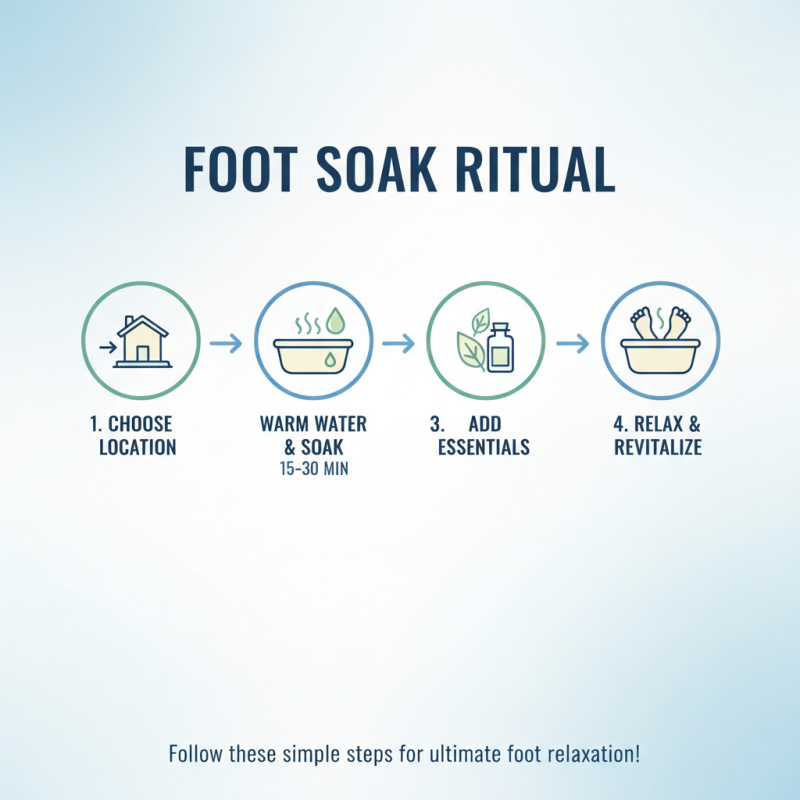
When using a foot basin, it’s essential to follow a step-by-step guide to ensure proper usage and maintenance. Start by selecting a suitable location with enough space for the basin, preferably a flat and stable surface. Fill the basin with warm water, ensuring it's at a comfortable temperature to avoid burns. You may also add foot soak solutions or essential oils for enhanced relaxation. Immerse your feet in the water, allowing them to soak for 15 to 30 minutes to help relieve tension and promote circulation.
After soaking, it's important to maintain cleanliness to prolong the life of your foot basin. Empty the basin and rinse it thoroughly to remove any residue. If it’s made of a material that can harbor bacteria, consider using a mild disinfectant to clean it regularly. Allow the basin to air dry completely before storing it away. Regular maintenance not only keeps the basin in good condition but also ensures a hygienic experience with each use. Following these steps will help you enjoy the benefits of a foot basin safely and effectively.