Best Double Sink Manufacturers in China for Global Buyers?
Choosing a reliable Double Sink manufacturer in China takes more than comparing prices or polished catalog photos. Global buyers need to assess bowl dimensions, steel grade, finish consistency, drainage design, packaging, and communication before placing an order. A sample can look impressive under showroom lights, yet reveal uneven corners or noisy drainage during daily use. Details matter.
Industrial designer Dieter Rams offered a useful design principle: “Good design is as little design as possible.” It is not a sink-industry quotation, but it applies to product evaluation: useful features should work well without adding needless complexity. For a Double Sink, that may mean two practical bowls, smooth edges, and a finish that is easy to clean. Simple, but not always easy to verify.
This guide examines Chinese manufacturers through buyer-focused questions: What materials and production capabilities do they disclose? Can they provide clear specifications, samples, and consistent quality checks? Do they explain customization limits and lead times plainly? These are sensible checks, not guarantees. A website alone cannot prove factory performance, and one sample cannot show every production batch. That deserves a closer look.
The following shortlist is designed to help importers compare suppliers with care, identify relevant strengths, and prepare better questions before requesting a quotation. No manufacturer is right for every project. The best choice depends on the intended market, order volume, installation needs, and the buyer’s tolerance for risk.
Double Sink Types, Materials, and Common Applications
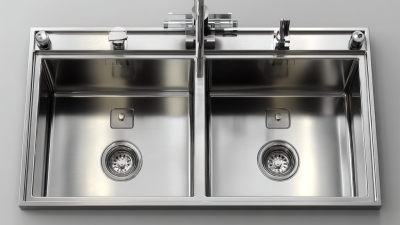
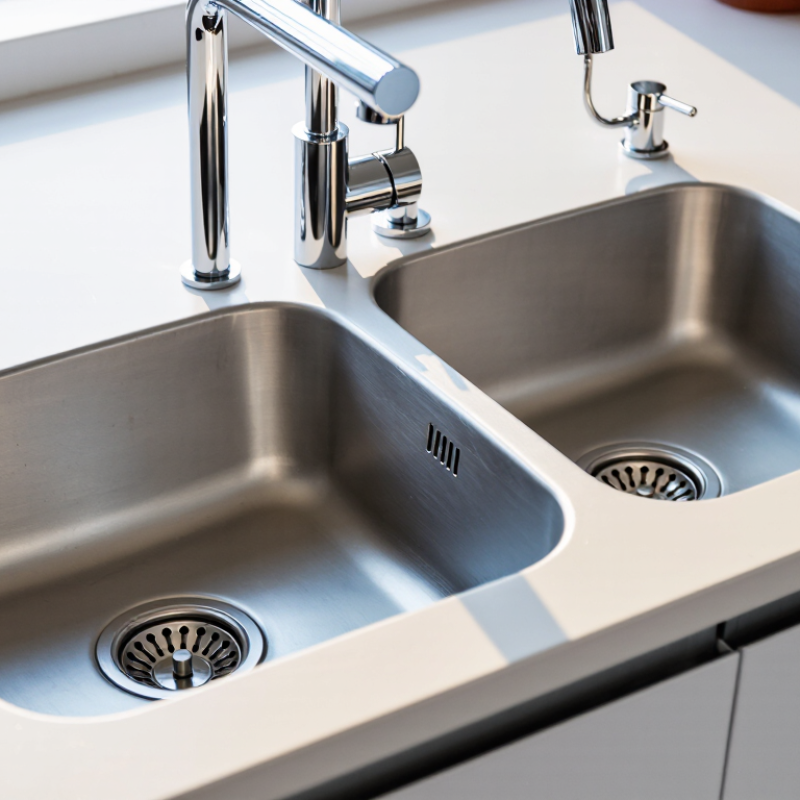
Double sinks come in equal-bowl, unequal-bowl, and low-divider designs. Equal bowls suit paired tasks, while a larger main bowl accommodates stockpots and baking trays. Low dividers make wide cookware easier to handle, but water can splash across the center. Measure cabinet width, drain position, and faucet reach before choosing.
Stainless steel is lightweight, widely used, and easy to match with busy kitchens. The World Stainless Association reported 58.4 million tonnes of global stainless-steel crude production in 2023; this is an industry-wide figure, not sink sales data. Fireclay offers a hard, glossy surface for traditional kitchens, while granite composite can soften noise in open-plan homes. Enamel-coated cast iron has a substantial feel, but its weight requires suitable cabinet support. Materials behave differently. For restaurants or shared workspaces, prioritize bowl depth, drainage, and surfaces that are straightforward to clean.
Tips: Test the bowl with your largest pan, not a small plate. Check whether accessories block the second basin. A deeper sink may reduce splashing, yet it can feel awkward for shorter users—one detail product photos rarely show.
China’s Double Sink Manufacturing Landscape
China’s double sink manufacturing landscape combines metal forming, welding, polishing, and accessory production across established industrial regions. Many factories offer different bowl sizes, drain positions, and installation styles. This flexibility helps buyers match sinks to varied kitchen layouts. However, product quality can differ even when catalog photos look similar.
For stainless steel models, confirm the steel grade and ask how it is verified. Check bowl depth, sheet thickness, corner radius, weld consistency, and underside sound pads. Details matter. A smooth sample is useful, but it cannot prove every production unit will match. Request inspection records, packaging photos, and a pre-shipment check against an approved sample. I would not judge durability by weight alone; construction and finishing matter too. Clear drawings can prevent drain openings or faucet holes from landing in the wrong place.
Tips: Send a dimensioned specification, including cabinet width and drain location. Ask for a sample before placing a large order. Test water flow and inspect the underside. Confirm carton protection, because a polished surface can still arrive scratched. Be specific, and keep expectations realistic.
Criteria for Evaluating Chinese Double Sink Manufacturers
When evaluating Chinese double sink manufacturers, verify material claims with mill certificates, not marketing labels.
World Stainless reported
58.4 million tonnes of global stainless steel melt shop production in 2023.
That figure shows broad material availability, but it does not prove a factory’s sink-grade steel or batch consistency. Ask for the steel grade, thickness tolerance, and traceability records for the actual production order. A sample should have even bowl depth, smooth welds, and no sharp edges around the rim.
Small details matter. A certificate is not the sink.
Check whether the manufacturer can share dimensioned drawings, inspection criteria, and records from recent production batches. Confirm drain openings, corner radii, and sound-dampening pad placement against your installation needs. Request evidence of leak checks and dimensional inspections, then compare those results with an independently reviewed sample. Ask how defects are handled, which warranty exclusions apply, and whether replacement parts are available.
Export packaging deserves attention too;
a damaged rim can turn a sound product into a costly claim. One limitation is easy to miss: a polished showroom sample may not represent routine output, so specify approval samples and batch checks in the purchase agreement.
Comparing Leading Double Sink Manufacturers in China
Comparing leading double sink manufacturers in China means looking beyond polished catalog photos. Ask how each factory controls stainless steel thickness, bowl depth, corner radius, and weld consistency. A sample can reveal details that a specification sheet may miss: uneven brushing, sharp edges, or a drain opening that sits slightly off-center. Request material records and inspection criteria, then check whether they match the exact model being quoted. Clear answers matter.
Production flexibility is another useful comparison point. Some suppliers handle custom bowl sizes or mounting styles more readily, while others focus on repeatable standard designs. Confirm tooling costs, sample timing, packing protection, and how defects are handled before approving an order. Ask for the sink’s installation drawings and carton dimensions; both affect fit and freight planning. A video inspection helps, but it is not a substitute for written acceptance standards. No checklist catches everything. That is worth remembering.
Tips: Compare identical specifications and finishes across suppliers. Test a physical sample with water, cookware, and a close look beneath the rim. Confirm export documents and destination-market requirements with the supplier. If a promise sounds vague, ask for a measurable target.
How Global Buyers Can Verify Suppliers and Manage Sourcing
Best Double Sink Manufacturers in China for Global Buyers?
Global buyers should verify a supplier’s actual production capability, not rely on a polished catalog. Ask for recent photos or a live video tour of the workshop, including sink forming, polishing, and packaging areas. Request a specification sheet covering steel grade, thickness, basin dimensions, drain position, and surface finish. Then compare those details with a sample measured using calipers. A sample can look convincing, but small differences matter. Check welds, corners, and sound insulation closely. Ask how the supplier handles defects and replacement parts, and get the process in writing. Small details matter.
Before placing a large order, confirm the production schedule, inspection stages, carton design, and shipping terms. A third-party inspection can check dimensions, finish consistency, and packaging before goods leave the factory. Share clear acceptance criteria in advance; “good quality” means little without measurable standards. Keep approved drawings, sample photos, test records, and written changes in one file. Factory visits help, but they do not replace documentation. One imperfect point: buyers sometimes focus heavily on unit price and leave packaging until late. That can create avoidable damage or delays. Build freight, inspection, sample, and rework costs into the comparison, and ask suppliers to explain any unusually low quotation.