How to Choose the Best Smart Toilet for Your Home?
Choosing the right Smart Toilet for your home can feel overwhelming. With countless options available, making an informed decision is vital. "Not all Smart Toilets are created equal," says Dr. Emily Chen, a leading expert in bathroom technology. She emphasizes the importance of understanding personal needs and preferences.
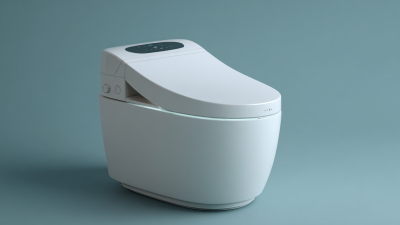
A Smart Toilet can enhance comfort and hygiene. Features often include heated seats, automatic flushing, and built-in bidets. However, each model offers unique functionalities. Some might have advanced water-saving features, while others focus on ease of use. It's essential to consider your priorities before making a choice.
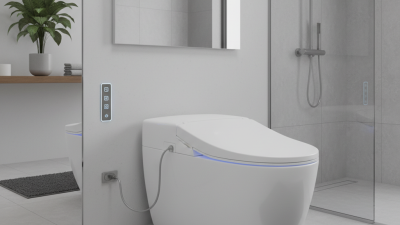
A common mistake is to overlook installation requirements. Some Smart Toilets may need additional plumbing work. Not all homes are ready for these upgrades. Therefore, take time to evaluate your bathroom layout. Understand both the technical and personal aspects of a Smart Toilet for the best choice.
Factors to Consider When Selecting a Smart Toilet
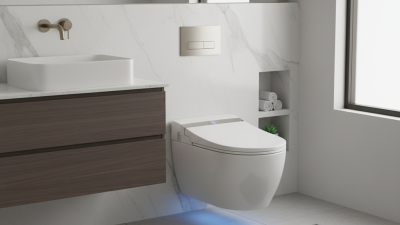
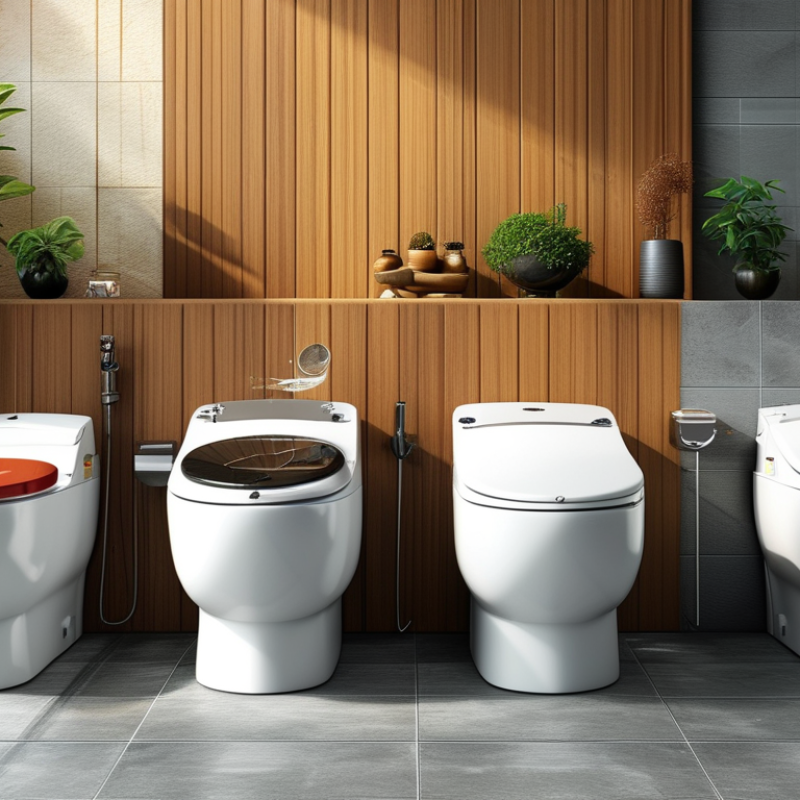
When selecting a smart toilet, several factors should be taken into account. Comfort is paramount. Look for features like heated seats and adjustable water pressure. These elements can greatly enhance your daily experience. The design should also complement your bathroom decor. A sleek, minimalistic model might fit well in a modern space, while a more ornate toilet could suit a traditional setting.
Another crucial aspect is the technology included. Many smart toilets offer automatic flushing, built-in bidets, and customizable settings. Evaluate which functionalities matter most to you. Installation requirements can vary too. Some toilets are easy to install, while others may need professional help. Assess your plumbing situation before making a choice.
Water efficiency is another point for consideration. Look for models with dual-flush systems. These can save you money on water bills in the long run. However, keep in mind that higher efficiency doesn't always mean better performance. It's reflective to acknowledge that features like self-cleaning may come with higher maintenance costs. Balancing these elements is key to finding a smart toilet that truly meets your needs.
Smart Toilet Features Comparison
Types of Smart Toilets Available on the Market
Smart toilets have gained popularity due to their advanced features and comfort. Different types offer unique benefits. Understanding these can help you make an informed decision.
One common type is the bidet toilet. These toilets offer integrated bidet functions, providing a refreshing cleaning experience. Statistics show that bidet toilets can reduce toilet paper use by 80%. This decrease can lead to both environmental benefits and cost savings. Moreover, many models include heated seats and adjustable water pressure, enhancing user comfort.
Another type is the high-tech toilet with smart features. These toilets can sense user presence and adjust settings automatically. Reports indicate they improve hygiene levels significantly. Some models even offer self-cleaning functions, ensuring the toilet remains clean with minimal effort. However, these features can complicate repairs, and maintenance may require a professional.
In summary, exploring the different types of smart toilets can guide your choice effectively. Consider your needs and the potential impact on your home and lifestyle.
Key Features to Look for in a Smart Toilet
When selecting a smart toilet, it's crucial to focus on several key features. One important aspect is the flushing system. Look for models that offer powerful and efficient flushing. Dual-flush options allow you to choose water usage, which is both eco-friendly and cost-effective. Consider the noise level as well; some toilets are quieter than others.
Another essential feature is the seat comfort. Heated seats can greatly enhance the user experience, especially during cold months. Look for adjustable temperature settings, as preferences can vary. Bidet functions are also noteworthy. A good bidet provides adjustable water pressure and temperature. This adds a level of cleanliness that traditional toilets lack.
Finally, think about the ease of cleaning. Some toilets come with self-cleaning features that simplify maintenance. However, the design should also be considered. Curved edges can make it easier to reach difficult spots. Reflect on your lifestyle and family needs as well. Finding the perfect balance of features might take time, but a thoughtful choice can lead to lasting comfort and convenience in your home.
Budgeting for Your Smart Toilet Purchase
When budgeting for a smart toilet, consider both upfront and long-term costs. The average smart toilet can range from $200 to $1,500, depending on features like heated seats, bidet functions, and automatic lids. Research shows that many homeowners expect to invest around $800 for a mid-range model. However, it's essential to weigh features against their actual benefits.
Installation costs should also be accounted for, which can add anywhere from $100 to $300. Some homeowners may want professional installation for water and electrical modifications. Maintenance is another financial aspect; smart toilets often require specific cleaning products that may be pricier than traditional options.
A survey conducted by a home improvement industry group revealed that 30% of buyers regretted not researching the total cost of ownership. Regular cleaning and potential repairs could impact your budget. Review these ongoing costs logically before purchasing. Investing smarter today can prevent financial stress tomorrow.
Installation and Maintenance Tips for Smart Toilets
When installing a smart toilet, selecting the right location is crucial. Make sure your space has adequate plumbing access. Measure the distance from the wall to the flange. This ensures a proper fit. Remember, not all smart toilets are the same size. If the dimensions are off, you may face installation challenges.
Maintenance of a smart toilet often feels overwhelming. Regular cleaning is essential. Use non-abrasive cleaners to avoid damaging the surface. Some users neglect to check the water supply line regularly. A small leak can escalate into a major issue. Pay attention to alerts from the toilet's smart features; they can signal problems.
Every smart toilet has unique features. Familiarize yourself with the user manual. Overlooking small details can lead to frustration. Some users find difficulty with remote control settings. Take time to practice. Consider enlisting a professional for complex installations. This can save time and stress in the long run.