How to Choose the Best Smart Toilet for Your Bathroom Needs?
The rise of the Smart Toilet market reflects a shift in modern bathroom design. According to a recent report from market research firm Grand View Research, the global smart toilet market is expected to reach $4.3 billion by 2027, growing at a compound annual growth rate of 13.4%. This trend highlights the increasing demand for high-tech bathroom solutions that offer convenience and sustainability.
Industry expert Dr. Emily Carter notes, "Smart Toilets are not just a trend; they embody the future of hygiene and comfort." As consumers seek innovative fixtures, selecting the right Smart Toilet can be overwhelming. Different models offer varying features, such as heated seats, self-cleaning functions, and advanced bidet systems. With so many options, discerning what best fits individual needs is essential but often challenging.
It’s important to understand that not all Smart Toilets are created equal. Some may lack durability or efficient water use, raising concerns about long-term value. Shoppers could overlook essential features that meet their specific requirements. By focusing on functionality and personal preferences, individuals can make more informed decisions and avoid regrets later.
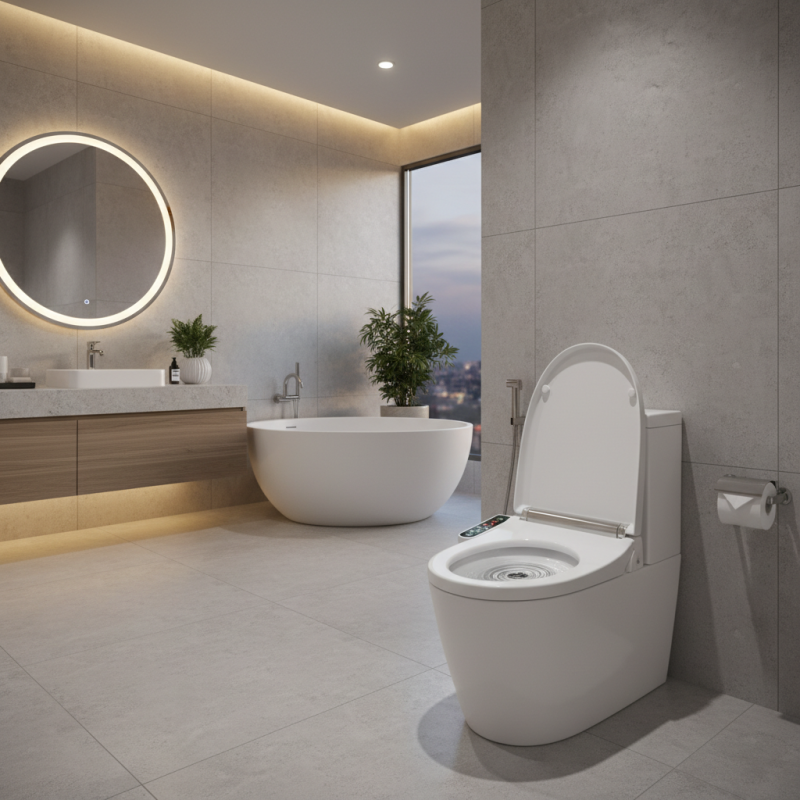
Understanding Smart Toilet Features and Technology
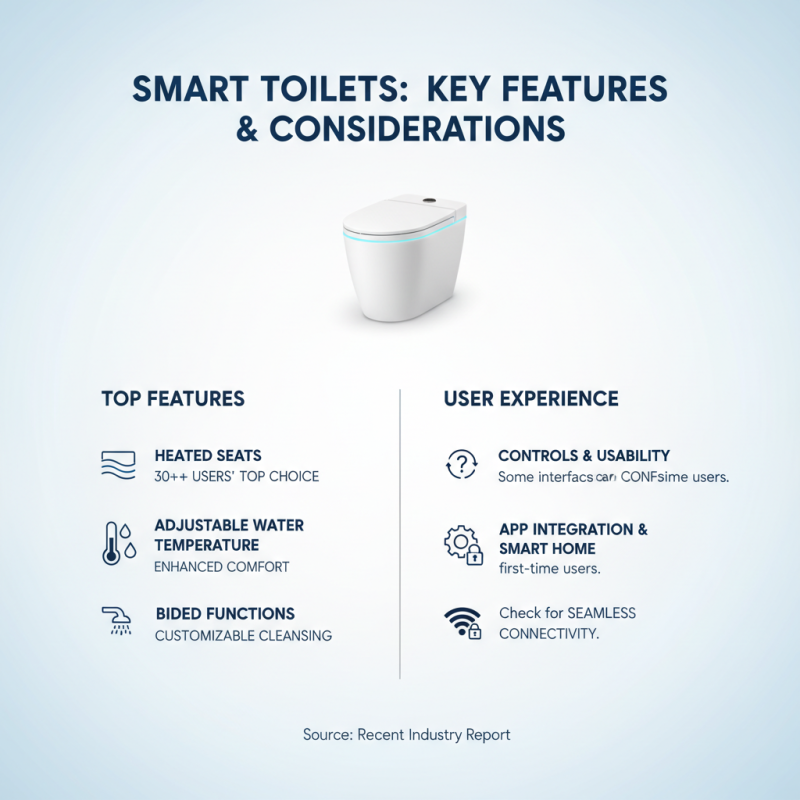
When exploring smart toilet options, understanding their features is crucial. Many models include heated seats and adjustable water temperature, which elevate comfort. According to a recent industry report, over 30% of smart toilet users highlight heated seating as a top reason for their choice. However, not all systems offer seamless controls. Some controls can be confusing, which may frustrate first-time users.
Another essential feature is the bidet function, which promotes hygiene. A survey indicated that 55% of users feel more secure with this feature. Nevertheless, potential buyers should be wary. Not every model provides the same bidet experience. Water pressure, spray angle, and cleaning modes can vary significantly. This inconsistency can lead to user dissatisfaction.
Lastly, consider the toilet's technology integration. Many models connect via smartphone apps, allowing for remote adjustments. However, connectivity issues are not uncommon. Reports show that nearly 25% of users experience frequent connectivity problems. These aspects highlight the importance of thoroughly evaluating options before making a purchase. Smart toilets can enhance the bathroom experience, but the nuances matter greatly.
Comparing Smart Toilet Brands and Models
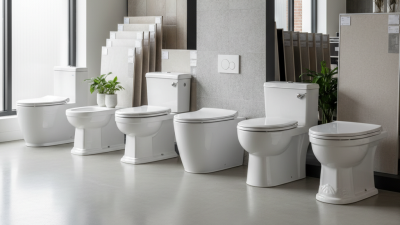
When selecting a smart toilet, understanding the various brands and models is crucial. Analytics from industry reports indicate the market generated approximately $1.3 billion in revenue in 2022, showcasing a growing interest. Consumers are looking for features like heated seats, bidet functions, and self-cleaning capabilities. However, not every model offers the same quality.
A recent survey highlighted that 70% of users prioritize ease of installation. It’s essential to consider the layout of your bathroom when choosing a smart toilet. Compatibility with existing plumbing can differ widely. Some brands offer straightforward installations, while others may require professional help. Many users report frustration over complicated setups.
Additionally, price is a significant factor. A smart toilet can range from several hundred to several thousand dollars. Budget models often lack advanced features. However, not all high-priced toilets perform better. Evaluating user reviews can be helpful, yet they can vary widely. Some toilets may excel in one feature but fall short in another, leading to buyer's remorse. Taking the time to compare model specifications, along with real user experiences, ensures a more satisfying purchase.
How to Choose the Best Smart Toilet for Your Bathroom Needs?
| Feature |
Model A |
Model B |
Model C |
| Bidet Functionality |
Yes |
No |
Yes |
| Heated Seat |
Yes |
Yes |
No |
| Automatic Flush |
Yes |
Yes |
No |
| Smartphone Control |
Yes |
No |
Yes |
| Air Deodorizer |
Yes |
No |
Yes |
| Energy Efficient |
Yes |
Yes |
No |
| Price Range |
$900 - $1200 |
$600 - $800 |
$400 - $600 |
Evaluating Installation Requirements and Plumbing Needs
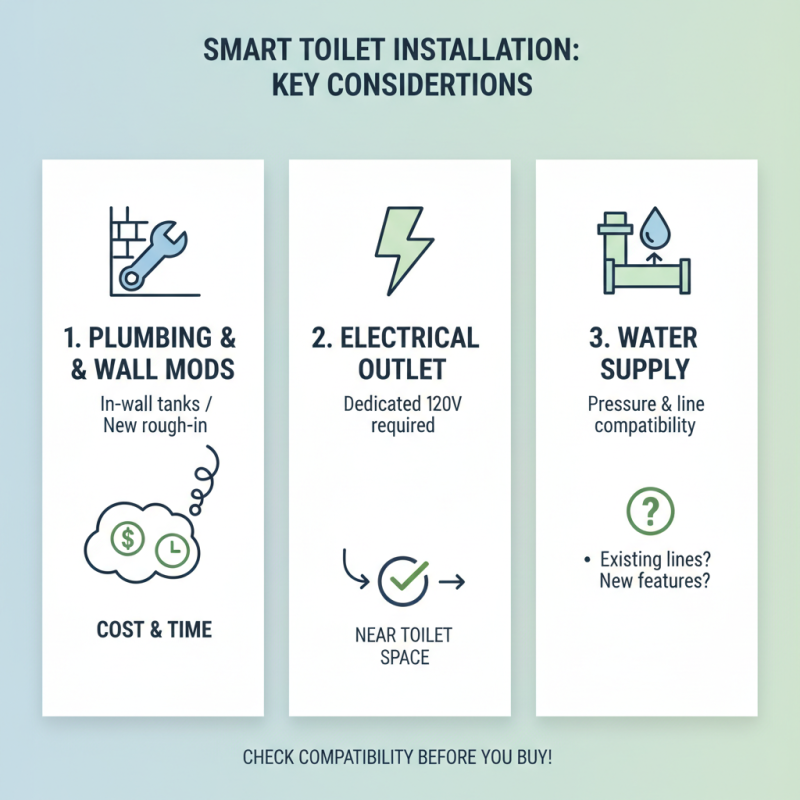
When selecting a smart toilet, consider your installation and plumbing needs carefully. Not all bathrooms can accommodate every model. In-wall tanks may require additional wall modifications. This can increase costs and time. Many smart toilets also need a dedicated electrical outlet. Ensure this is available near your toilet space. Sometimes, you might find that your current plumbing cannot support the new features.
Water supply lines vary in size and location. Check if your existing lines align with the new toilet’s specifications. Often, retrofitting existing plumbing can be challenging. This could lead to unexpected expenses. Additionally, elevation issues may complicate drainage. Sometimes, homes with older plumbing may not be compatible. Assessing these details ahead of time saves a lot of hassle later.
Installation isn't always straightforward. Some smart toilets are heavier than traditional ones. This can lead to difficulties in handling and alignment. If installation creates tension or irregularities, it might not function well. DIY might not be suitable for everyone. Hiring a professional could offer peace of mind. Think about these elements before making a purchase. This preparation can help ensure a smooth installation process.
Assessing Budget and Cost Considerations for Smart Toilets
When considering a smart toilet, budget is a key factor. The initial cost can vary significantly. Reports indicate that smart toilets can range from $500 to over $3,000. This wide gap often reflects the features included. Basic models may only offer heated seats, while high-end versions can provide self-cleaning capabilities and adjustable water pressure.
Installation costs can also add up. Professionals might charge anywhere from $100 to $500, depending on your bathroom setup. Though tempting, dismissing the importance of installation can lead to complications later. Minor adjustments might require a second visit, escalating costs further. Maintaining an efficient budget demands careful planning.
Another aspect to consider is long-term savings. Smart toilets often use less water compared to standard models. Research shows they can reduce water usage by 30% or more. This can lead to significant savings on water bills over time. Reflecting on both immediate and future costs can help in making a well-informed decision. Balancing features and price is crucial, as overspending on features may not yield the anticipated satisfaction.
Smart Toilet Budget Considerations
This bar chart illustrates the average costs associated with different categories of smart toilets, helping you assess your budget and make an informed decision for your bathroom needs.
Exploring Maintenance and Warranty Options for Smart Toilets
When considering a smart toilet, maintenance and warranty options are crucial. Regular upkeep is essential to keep your toilet functioning smoothly. Many models require specific cleaning products. Using the wrong cleaner can damage the surface. This might lead to expensive repairs. It's vital to read the manual for maintenance guidelines.
Warranty options can vary widely. Some smart toilets offer extended warranties, while others provide shorter coverage. Look for warranties covering electronics and parts. A good warranty can save you money on repairs down the line. However, always check what’s included. Some warranties might exclude certain damages.
Smart toilets may require professional installation. This adds another layer to consider. You might need to budget for this expense. Think about the long-term costs. It’s important to weigh the benefits against these potential downsides. Making an informed choice can avoid future headaches.