Choosing the best Ceramic Toilet in 2026 requires more than comparing glossy finishes and discounted prices. A toilet may look elegant under showroom lights, yet perform poorly in a small, poorly ventilated bathroom. Real selection begins with daily use, available space, plumbing position, and cleaning habits. These practical details often matter more than appearance.
An experienced installer will check the rough-in measurement, floor level, water connection, and bowl height before recommending a model. Flush performance should be assessed through verified specifications, independent testing, and credible customer feedback. Look for durable vitreous china, an even glaze, secure hinges, and a trapway designed to reduce blockages. Water efficiency also deserves attention, but lower consumption should not mean weak flushing. Ask for documented performance data.
Small clues matter.
A stable seat, smooth edges, and accessible replacement parts can improve years of use. Certification marks, manufacturer warranties, and clear installation instructions offer useful evidence of quality. However, no product is perfect. Some rimless designs clean easily but may produce more visible splash. Soft-close seats can feel refined, yet their hinges may require careful maintenance. Reviews can reveal these weaknesses, although online opinions are not always reliable. This guide will compare design, flushing technology, comfort, hygiene, maintenance, and long-term value. The goal is not to promote the most expensive Ceramic Toilet. It is to identify a dependable choice for real homes, realistic budgets, and changing bathroom needs in 2026.
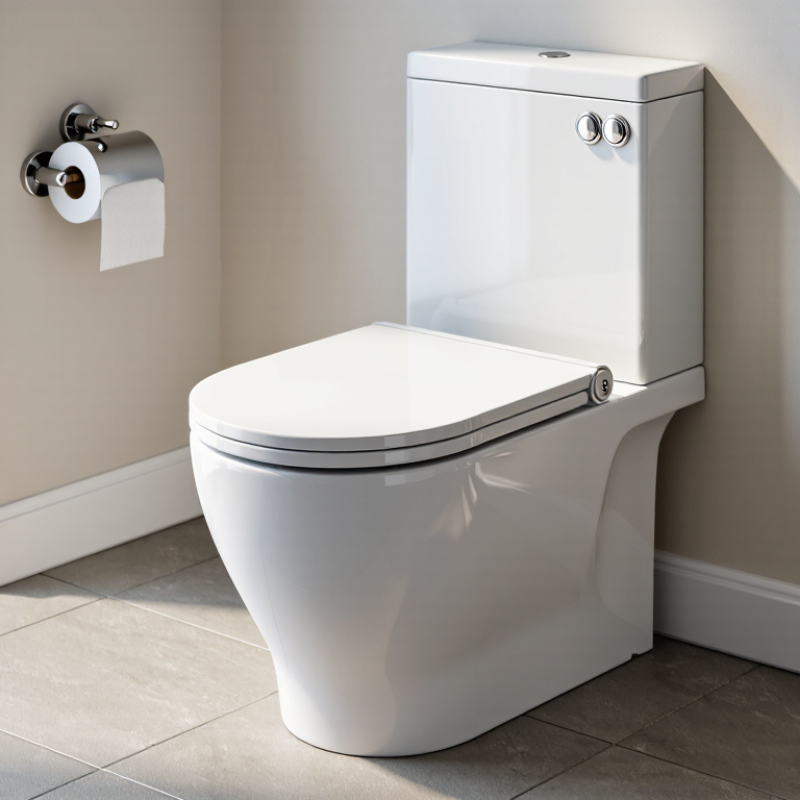
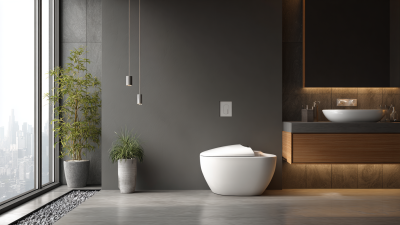
Choosing the best ceramic toilet in 2026 starts with understanding its basic types. A one-piece toilet has a smooth, integrated body. It is easier to clean because it has fewer joints. A two-piece toilet separates the tank and bowl, making transport and replacement simpler. Wall-hung models save floor space and make mopping easier, but they require stronger wall support and careful installation. Measure twice.
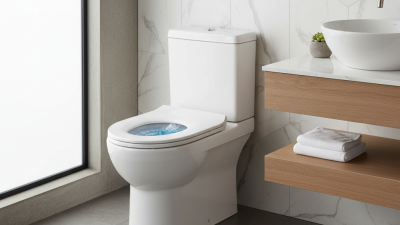
Rimless designs direct water around the bowl more evenly, reducing hidden areas where residue can remain. An open flush channel is easier to inspect than a narrow, complicated passage. Dual-flush systems can reduce water use, but performance matters more than the button count. Look for clear flush-volume details and recognized testing information. Check the rough-in distance, outlet position, seat height, and bathroom clearance before buying. Marketing claims alone are not enough.
Glazed ceramic should feel smooth and show no pinholes, cracks, or uneven coloring under bright light. During an inspection, I would also check the underside and mounting points, not only the visible bowl. A soft-closing seat, accessible hinges, and a reliable fill valve improve daily use. Still, no toilet is perfectly maintenance-free. Hard water may leave marks, and an efficient flush can feel weak if the plumbing is poorly matched. Choose a model that fits the room, local water conditions, and available repair skills. Leaving access to the shutoff valve is a small detail that people often regret ignoring.
Flush volume is one of the most measurable differences between ceramic toilet configurations. Lower water use can improve efficiency, while bowl shape, trapway design, and flushing performance should also be considered.
Representative nominal flush volumes shown in liters per flush. Values are based on common U.S. toilet categories: standard 1.6 gallons per flush, WaterSense/high-efficiency 1.28 gallons per flush, and reduced dual-flush settings of approximately 0.8 gallons per flush. 1 U.S. gallon = 3.785 liters.
Choosing the best ceramic toilet in 2026 requires more than comparing prices or appearance. The flush system matters. Gravity toilets are quiet and simple, while pressure-assisted models usually clear waste more forcefully. Dual-flush designs can reduce water use for liquid waste, but their buttons must feel clear and durable. The U.S. Environmental Protection Agency’s WaterSense program limits labeled toilets to 1.28 gallons per flush, about 20% below the federal standard. That difference becomes visible in a busy household.
Performance still deserves careful checking. EPA WaterSense testing requires effective waste removal, and MaP testing reports flushing capacity in grams. A toilet rated near 1,000 grams offers a useful performance margin, although laboratory results cannot predict every blocked pipe or poorly designed drain. I have found that a wide glazed trapway and a smooth bowl are easier to maintain. Rim shape also matters. Tiny hidden channels may collect residue when cleaning is rushed.
Tips: Check the MaP score before buying. Compare full and reduced flush volumes. Listen to the flush in a showroom if possible. Confirm rough-in measurements first. A powerful flush is not always efficient. A low water number can mislead when users flush twice. Performance should be judged beside water savings, noise, cleaning effort, and replacement-part availability. EPA WaterSense consumer guidance also recommends certified models for measurable household savings, but real results depend on daily habits and local plumbing conditions.
Choosing the best ceramic toilet in 2026 starts with measurements, not appearance. Measure the rough-in from the finished wall to the bolt center. Leave enough space for knees, door swing, and cleaning access. A round bowl often suits a narrow bathroom, while an elongated bowl usually offers better thigh support. It may also project several centimeters farther.
Comfort depends on more than seat height. The 2010 ADA Standards specify 17 to 19 inches from the floor to the seat top for accessible toilet installations. Many households prefer this range, but shorter users may find it awkward. Sit on a sample if possible. I once underestimated bowl width; the toilet looked elegant, yet the side clearance felt cramped. That mistake was avoidable.
Water performance and pipe compatibility deserve equal attention. The U.S. EPA WaterSense tank-type toilet specification limits labeled models to 1.28 gallons per flush, or about 4.8 liters, using at least 20% less water than standard 1.6-gallon models. Check the flush rating, trapway design, and local plumbing requirements. A high-efficiency flush is not automatically quiet or powerful enough for every drainage system. The National Kitchen and Bath Association’s bathroom planning guidance also emphasizes clearance, accessibility, and user comfort. Confirm the supply-line position, flange condition, and rough-in before ordering. Ceramic can hide small installation errors until the floor is finished.
When choosing a ceramic toilet in 2026, inspect the glaze, not only the shape. A smooth, evenly fired surface should show no pinholes, dull patches, or hairline cracks. These defects can trap moisture and soil. ISO 10545 testing covers ceramic water absorption and strength, but household inspection still matters. Tap the bowl gently and check its rim, base, and fixing points. A perfect showroom finish may hide weak internal stress.
Hygiene depends on design and daily care. Fully glazed waterways reduce rough areas where deposits collect. However, glaze is not a substitute for cleaning. The World Health Organization and UNICEF reported that 3.5 billion people lacked safely managed sanitation in 2022, showing why reliable maintenance remains essential. Water use also deserves attention. The U.S. Environmental Protection Agency states that certified toilets use 1.28 gallons per flush or less, at least 20% below the standard 1.6 gallons. Lower use is useful, but poor flushing creates repeat flushes.
Tips: Bring a small flashlight. Inspect the underside of the rim and the trapway opening. Ask for independent flush-performance results, not only sales claims. Choose a seat and flush valve with replaceable parts. Avoid abrasive powders, even when stains look stubborn. I would check cleaning access twice; attractive shapes can become awkward to maintain.
| Evaluation Dimension | Recommended Benchmark | Why It Matters | How to Check Before Purchase | Practical Rating Guide | Maintenance Implication |
|---|---|---|---|---|---|
| Ceramic Material | Vitreous china or high-grade sanitary ceramic with water absorption at or below 0.5%, where the applicable product standard requires this level. | Low absorption reduces moisture penetration, staining, odor retention, and the risk of damage caused by repeated wetting and drying. | Review the technical data sheet and conformity documentation. Do not rely only on descriptions such as “premium ceramic.” | Excellent: documented ≤ 0.5% | Usually easier to clean and less likely to develop persistent discoloration when the glaze remains intact. |
| Body Uniformity | Dense, evenly fired ceramic with no visible pinholes, warping, cracks, large inclusions, or uneven edges. | Uniform firing supports structural strength and helps the toilet sit level without stress points. | Inspect the rim, trapway opening, mounting surface, and underside under bright light. Run a clean finger over accessible edges. | Excellent: smooth and consistent | Fewer defects mean fewer areas where soil, bacteria, or mineral deposits can accumulate. |
| Glaze Coverage | Continuous, smooth glaze across the bowl, rim, waterline, exterior, and other exposed surfaces. | A complete glaze creates a less porous surface and improves resistance to staining and chemical exposure from normal bathroom cleaners. | Check for dull patches, crawling, blisters, exposed ceramic, rough spots, and color variation, especially inside the bowl and around the rim. | Excellent: continuous and visibly smooth | Use non-abrasive cleaners to preserve the surface and avoid creating microscopic scratches. |
| Surface Smoothness | Uniformly smooth bowl and rim surfaces without sharp projections or rough unfinished areas. | Smoother surfaces provide fewer places for waste, scale, and microorganisms to adhere. | View the bowl from several angles and check the surface visually; roughness or visible defects are warning signs. | Excellent: smooth with no rough zones | Routine cleaning is faster, and a soft brush is less likely to leave marks. |
| Structural Durability | Compliance with the relevant sanitary-ware standard and a load rating suitable for the intended installation. | A toilet must tolerate user loads, installation stress, temperature changes, and everyday impact without cracking. | Request the applicable standard, load information, installation instructions, and warranty terms. Never use a visibly damaged unit. | Excellent: documented compliance and clear load information | Install on a stable, level floor and tighten fasteners only to the manufacturer’s specified torque. |
| Dimensional Accuracy | Mounting holes, outlet alignment, base, seat fixing points, and tank connections should match the installation specification. | Accurate dimensions reduce leaks, rocking, uneven sealing, and installation-related cracking. | Compare the product drawing with the bathroom rough-in, waste outlet, water connection, and available clearance. | Excellent: precise fit with no forced alignment | Correct installation reduces movement and prevents stress on the ceramic and seals. |
| Hygienic Bowl Design | Rim design and internal contours should minimize hidden cavities and provide effective water coverage during flushing. | Fewer concealed areas make inspection and cleaning easier and can reduce residue buildup. | Look for accessible rim channels, smooth internal contours, and published flushing or water-coverage test information. | Excellent: accessible, smooth, easy-to-clean geometry | Clean the rim and bowl regularly; do not assume a rimless design is maintenance-free. |
| Flushing Performance | Verified flush performance under the applicable local standard, with effective bowl cleaning and reliable waste removal. | Strong, well-distributed flushing helps limit residue and reduces the frequency of manual scrubbing. | Check independent test results, flush-volume information, compatibility with local plumbing, and availability of replacement parts. | Excellent: tested performance with stable water distribution | Keep the water jets and rim passages free of scale; hard-water regions may need periodic descaling. |
| Water Efficiency | Choose a flush volume appropriate to local regulations and household needs; commonly specified models use approximately 4.8–6.0 L per full flush, depending on the system. | Lower water use can reduce operating costs, but insufficient flow or unsuitable plumbing can affect clearing performance. | Check full-flush and reduced-flush volumes, certification labels, and whether the stated performance applies to the complete toilet system. | Excellent: efficient without compromising clearing performance | Follow the recommended maintenance schedule and avoid repeated unnecessary flushing. |
| Stain and Scale Resistance | Dense ceramic with intact glaze and a bowl shape that limits standing water and residue retention. | Mineral scale and stains are influenced by water hardness, cleaning habits, glaze condition, and bowl geometry. | Ask for surface-care instructions and inspect the waterline, rim, and trapway entrance for roughness or glaze defects. | Excellent: smooth glaze and low-residue geometry | Remove scale with a manufacturer-approved descaler; avoid metal tools and abrasive powders. |
| Chemical Resistance | Glaze should tolerate normal toilet-cleaning products when used according to the product instructions. | Harsh or incompatible chemicals can dull the glaze, damage seals, or create hazardous fumes. | Read the care guide and confirm which acids, chlorine products, solvents, and abrasive cleaners are prohibited. | Excellent: clear chemical-care guidance provided | Use mild, non-abrasive cleaner and never mix chlorine-based products with acidic cleaners. |
| Repairability | Standardized or readily available fill valves, flush valves, seals, hinges, buttons, and seat fittings. | Replaceable components extend service life and reduce the need to replace the entire toilet. | Confirm spare-part availability, part numbers, service instructions, and warranty support before purchase. | Excellent: common parts and documented support | Inspect seals, hinges, and valves periodically; replace worn parts before leaks damage surrounding areas. |
| Installation and Safety | Clear installation instructions, suitable fixing hardware, stable support, and correct sealing at the outlet. | Many ceramic failures result from uneven support, overtightened bolts, poor alignment, or impact during installation. | Check floor level, rough-in dimensions, fixing points, seal compatibility, and the recommended tightening procedure. | Excellent: complete instructions and secure fit | Do not stand on the toilet, use it as a step, or tighten ceramic fixings beyond the instructions. |
| Long-Term Value | Balance documented ceramic quality, water use, spare-part support, cleaning effort, installation cost, and warranty coverage. | The lowest purchase price may result in higher water, repair, cleaning, or replacement costs over time. | Compare total ownership factors rather than judging only by appearance, advertised features, or retail price. | Excellent: strong performance-to-maintenance balance | A durable, repairable toilet generally offers better value over its service life. |

Note: Performance limits and certification requirements vary by country and product standard. Always verify the current technical documentation and installation instructions for the specific toilet model.
A ceramic toilet should fit your bathroom before it impresses you. Measure the rough-in from the finished wall to the bolt centers. Check the bowl projection, water-supply position, door swing, and floor level. A mismatch can turn a simple replacement into costly plumbing work. The U.S. Environmental Protection Agency’s WaterSense specification recognizes toilets using 1.28 gallons per flush or less, at least 20% below the federal 1.6-gallon standard. Lower water use can improve long-term value, but weak flushing creates repeated cleaning and service costs. Water savings alone are not enough.
Warranty terms deserve careful reading. Look for separate coverage periods for ceramic, flushing components, seats, and labor. Confirm whether replacement parts remain available after installation. A lifetime ceramic warranty may sound strong, yet it might exclude removal, transport, or installation damage.
Industry guidance from the International Association of Plumbing and Mechanical Officials stresses correct installation, sealing, and tested performance. In practice, even a premium toilet can leak when the floor flange is uneven. I have seen this overlooked. It is an easy mistake, not a rare one.
Tips: Measure twice, then compare the drawing with your bathroom. Choose a model with accessible parts and clear maintenance instructions. Record the receipt, model number, and installation date. Ask the installer to test flushing, leaks, and seat stability before leaving. Check certification listings, not only marketing claims. A slightly higher purchase price can be sensible when installation is simple and warranty support is practical.