Choosing an English Seat Toilet is not simply a matter of selecting a white ceramic bowl. Global buyers must balance comfort, flushing performance, water use, installation conditions, and long-term service. A bathroom in London may have a different rough-in distance from one in Dubai or Toronto. Small measurement errors can delay a container shipment.
The WHO/UNICEF Joint Monitoring Programme reported that 3.5 billion people still lacked safely managed sanitation in 2022. This figure makes reliable sanitary design more important than appearance alone. The U.S. Environmental Protection Agency’s WaterSense program also states that certified toilets use 1.28 gallons per flush or less. They must perform at least 20% better than standard models. These benchmarks offer useful comparisons, although they do not replace local certification checks.
WHO sanitation expert Dr. Bruce Gordon has emphasized, “Sanitation is a human right, not a luxury.” That principle should influence every purchasing decision. Buyers should examine the seat height, bowl shape, ceramic thickness, glaze quality, trapway design, flush testing, and replacement-part availability. Ask for laboratory reports, not only attractive catalog claims. Check whether the seat hinges feel firm, because this small component often fails first. Consider dual-flush options, noise levels, cleaning access, and packaging protection. Some suppliers provide impressive specifications but weak after-sales support. That gap deserves attention.
The following seven tips help importers, distributors, contractors, and homeowners compare an English Seat Toilet with greater confidence. No single model fits every market. Careful questions usually reveal the better choice.
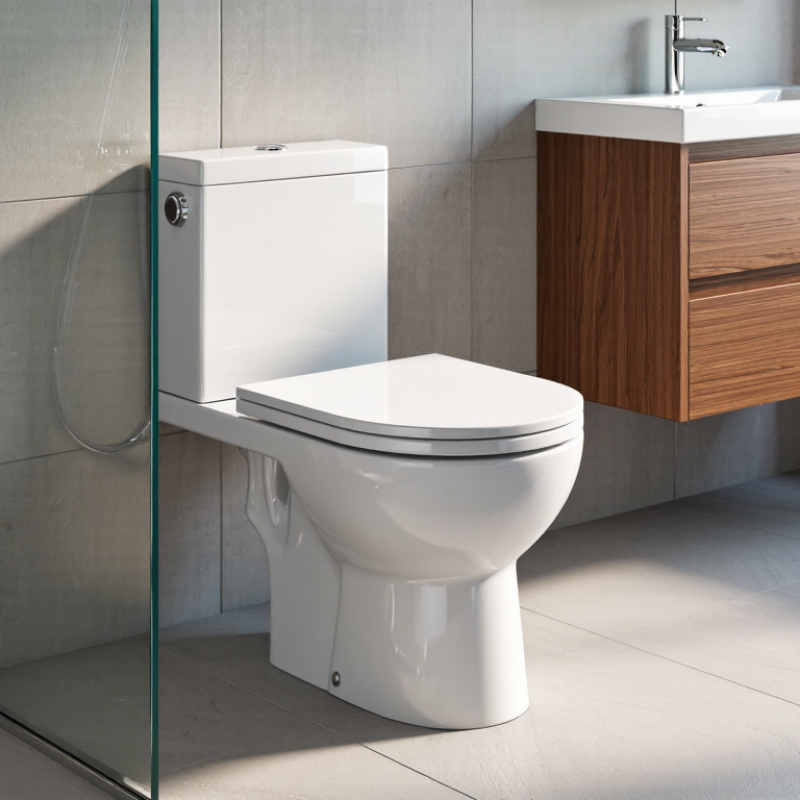
English seat toilets come in several practical forms, and each suits a different bathroom layout. A two-piece toilet has a separate tank and bowl. It is usually easier to transport and repair, especially for overseas projects. A one-piece toilet combines both parts into one smooth unit. It has fewer joints, so cleaning around the base is simpler. However, its heavier body may increase shipping and installation costs.
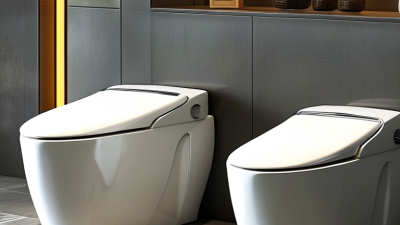
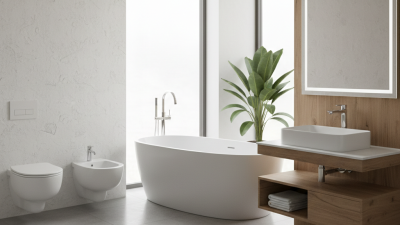
Wall-hung toilets create a clean, modern appearance. The tank stays inside the wall, leaving open floor space underneath. This design supports easier mopping but requires a strong support frame and careful access planning. A floor-mounted, back-to-wall model places the bowl against the wall. It hides most plumbing and usually offers simpler installation than a wall-hung model. Raised-height toilets can also help older users or people with limited mobility. Comfort matters.
Seat design deserves close inspection. Slow-close hinges reduce noise, while quick-release seats make cleaning more practical. Check the seat width, hinge material, and replacement availability before ordering large quantities. A familiar-looking toilet may still feel uncomfortable if its bowl is too narrow. This happens more often than buyers expect. Measure the bathroom drain position, water inlet, and door clearance. I have seen projects choose attractive models before checking these details, then face expensive adjustments. Product drawings, test samples, and local plumbing standards should guide the final decision. One detail is easy to miss: flushing performance can change with water pressure. Ask for verified test data, not only attractive catalog photographs.
Understand the Main Types of English Seat Toilets
The chart compares typical external projection ranges for four widely used toilet configurations. Wall-hung toilets generally require the least floor projection, while bidet-integrated models usually need more space. Buyers should confirm the rough-in distance, outlet position, water connection, seat height, and local installation requirements before selecting a model.
Choosing an English seat toilet starts with the bathroom, not the catalogue. Measure the rough-in from the finished wall to the waste outlet center. Record width, projection, and seat height. A 10 mm error can affect installation. I once treated a 300 mm rough-in as universal. It was not.
Check the bowl shape against the room. Round bowls save projection, while elongated bowls usually provide better leg support. Confirm the door swing, vanity edge, and cleaning space. The 2024 International Residential Code recommends at least 381 mm from the toilet centerline to nearby walls or fixtures. It also recommends 533 mm of clear space in front. Local rules may require more. Verify the water inlet position, outlet direction, flush mechanism, and supply pressure before ordering. Small details matter.
Global buyers should compare certification requirements, not only appearance. EN 997 covers ceramic toilet performance and testing, while ASME A112.19.2/CSA B45.1 applies in North American markets. The WHO and UNICEF Joint Monitoring Programme reported in 2023 that 3.5 billion people lacked safely managed sanitation. That figure shows why reliable flushing, easy cleaning, and repairable parts deserve serious attention. Check the seat hinge width and replacement availability. Measure twice. Mistakes happen. A soft-close seat is useful, but bathroom compatibility comes first.
| Tip | Selection Dimension | Reliable Data or Measurement | What to Check Before Ordering | Why It Matters |
|---|---|---|---|---|
| 1 | Measure the available toilet area | A typical close-coupled toilet is approximately 650–750 mm deep and 350–400 mm wide. Compact models may be shorter, while extended bowls require more depth. | Measure the finished floor area, side clearance, door swing, and distance to nearby walls or cabinets. Leave practical access space in front of the bowl. | A toilet can fit the room width but still block a door, drawer, or shower entrance if its projection is too large. |
| 2 | Match the bowl shape to the room | Round-front bowls are commonly about 650–700 mm deep. Elongated bowls are often about 700–800 mm deep. Actual dimensions vary by model. | Choose round or compact shapes for smaller bathrooms. Use an elongated bowl only when the available projection and user comfort are suitable. | Bowl shape affects legroom, cleaning access, door clearance, and the visual footprint of the bathroom. |
| 3 | Verify the rough-in and waste outlet | Common floor-outlet rough-in distances include approximately 250 mm, 300 mm, and 400 mm, measured from the finished wall to the center of the waste outlet. Local installation systems may differ. | Confirm the exact rough-in, outlet direction, waste-pipe diameter, flange position, and whether the model uses a floor or rear outlet. | An incorrect rough-in can prevent the pan from sitting against the wall or require costly pipe changes. |
| 4 | Check seat height and user comfort | Standard toilet seat height is commonly around 400–430 mm from the finished floor to the top of the seat. Comfort-height designs may be approximately 430–480 mm. | Consider the height of adults, children, older users, and people with limited mobility. Confirm whether the stated height includes the seat. | A suitable height makes sitting down and standing up easier without creating discomfort for shorter users. |
| 5 | Compare water-efficiency performance | Modern dual-flush toilets commonly use about 3–6 L per flush, with the smaller volume intended for liquid waste and the larger volume for solid waste. Water-use limits vary by market. | Check the full-flush and reduced-flush volumes, local certification requirements, flush performance, and compatibility with the available water pressure. | Lower water use can reduce operating costs, but the flushing system must still clear the bowl reliably. |
| 6 | Confirm supply and inlet compatibility | Toilet inlet connections vary by market. Common cistern inlet sizes include approximately 1/2 inch and 3/8 inch. Connection position may be bottom-entry or side-entry. | Check the local water-supply fitting, inlet location, shut-off valve position, operating pressure, and whether adapters are permitted. | Correct inlet details help prevent leaks, difficult installation, and incompatibility with existing plumbing. |
| 7 | Review installation, maintenance, and standards | A complete installation set may include the pan, cistern, seat, flush valve, inlet valve, fixing kit, and seals. Required plumbing and product standards depend on the destination country. | Request a dimension drawing, installation instructions, spare-part information, seat hinge details, cleaning access, packaging dimensions, and applicable local compliance documents. | Clear technical documentation reduces installation errors and makes replacement or after-sales maintenance easier. |
When comparing English seat toilets, start with the flushing system. A washdown model pushes water directly through the bowl, giving a quick and simple flush. A siphonic model uses a longer trapway and stronger water movement, which can reduce residue when correctly designed. Dual-flush controls may save water, but only when the smaller flush clears the bowl reliably. Ask for tested flush data, not just attractive numbers.
Water use matters during daily operation. Check both full-flush and reduced-flush volumes, then compare performance with toilet paper and waste-simulation tests. A lower figure is not always better. Weak flushing can create repeat flushes, wasting more water. In my inspections, a stable valve often mattered more than a polished control button. Pressure-sensitive systems may perform poorly in buildings with limited supply pressure, so confirm local conditions before ordering.
Cleaning performance depends on bowl shape, rim design, surface glazing, and trapway access. A rimless bowl can expose more areas to the water stream, but poor water distribution still leaves dry spots. Look for a smooth inner surface and fewer hidden corners. Check whether the seat detaches easily for cleaning. Also inspect the hinge area; it collects dust faster than expected. Request installation drawings, spare-part details, and independent test records. One practical weakness remains: product claims can differ from real household use, so sample testing is worth the extra time.
7 Tips to Choose an English Seat Toilet for Global Buyers
Material affects hygiene, durability, and cleaning effort. Choose vitreous china with a smooth, low-porosity glaze. Ask for water-absorption and surface-finish test reports, not attractive photos alone. Check hinges, screws, and seals for corrosion resistance, especially in humid bathrooms. The U.S. Environmental Protection Agency’s WaterSense specification limits labeled toilets to 1.28 gallons per flush, compared with the older 1.6-gallon standard. Lower water use matters, but weak flushing creates a different problem. Request verified performance results.
Comfort needs careful measurement. Compare seat height, bowl depth, and opening shape with the user’s body size. A seat around 17 to 19 inches high can support accessibility needs under the 2010 ADA Standards, but local rules may differ. Soft-close hinges reduce noise at night. Quick-release seats simplify cleaning. Heated seats and bidet functions can improve comfort, yet they require safe electrical planning and suitable water connections. Sometimes, simpler is safer.
Installation can quietly increase the real cost. Confirm the rough-in distance, outlet position, water-inlet size, and floor level before ordering. Measure door clearance and the distance from the bowl to nearby walls. The WHO and UNICEF Joint Monitoring Programme reported that 3.5 billion people lacked safely managed sanitation in 2022, showing why dependable installation and maintenance matter globally. Include multilingual instructions, replacement seals, and accessible spare parts. I would not rely on a universal fitting claim; bathroom standards vary more than product pages suggest.
Certifications should match the destination market, not simply appear in a sales file. Check the certificate number, issuing body, test date, and covered product model. A useful report should mention flushing performance, water efficiency, material safety, and electrical protection when applicable. Request the original documents. Scanned copies can be incomplete. Requirements also vary between residential projects, hotels, and public facilities, so one certificate may not cover every installation.
Supplier reliability needs evidence beyond a polished website. Ask for factory photos, production capacity, quality-control procedures, and recent inspection records. A video call can reveal storage conditions, testing equipment, and packaging practices. Order samples before confirming a large quantity. Test the seat hinges, glaze, flush strength, and carton durability. Communication matters too. Slow replies during sampling may become serious delays after payment. Still, no supplier is perfect. I would record small defects and assess how quickly they correct them.
Total purchase cost includes more than the unit quotation. Add tooling, sample fees, protective packaging, inland transport, freight, duties, installation parts, and possible inspection charges. Spare components and warranty handling also affect the final budget. A cheaper toilet may consume more water or arrive with damaged fittings. That creates hidden labor costs. Compare suppliers using the same specifications and delivery terms. Leave room for currency changes and unexpected port delays. Small omissions can distort the entire purchasing decision.