How to Choose the Best Ceramic Toilet for Your Bathroom Needs
When it comes to selecting the right toilet for your bathroom, the choice of material plays a crucial role in ensuring durability, hygiene, and aesthetic appeal. Among various options available on the market, the Ceramic Toilet stands out as a popular choice. According to industry reports, over 80% of households in the United States currently prefer ceramic toilets due to their ease of maintenance and resistance to staining compared to other materials. Ceramic toilets are also known for their robust construction, allowing them to withstand heavy usage while providing a classic look that complements various bathroom designs.
As consumers become more eco-conscious, the demand for water-efficient ceramic toilets has surged, with the Environmental Protection Agency (EPA) reporting that high-efficiency models can save millions of gallons of water annually. This increasing emphasis on sustainability in bathroom fixture selection underlines the importance of understanding the features that distinguish one ceramic toilet from another. By taking into account factors such as flushing technology, bowl design, and height, homeowners can make informed decisions that cater to both their functional needs and design preferences, ultimately leading to a more efficient and stylish bathroom environment.
Understand Your Bathroom Space and Design Preferences
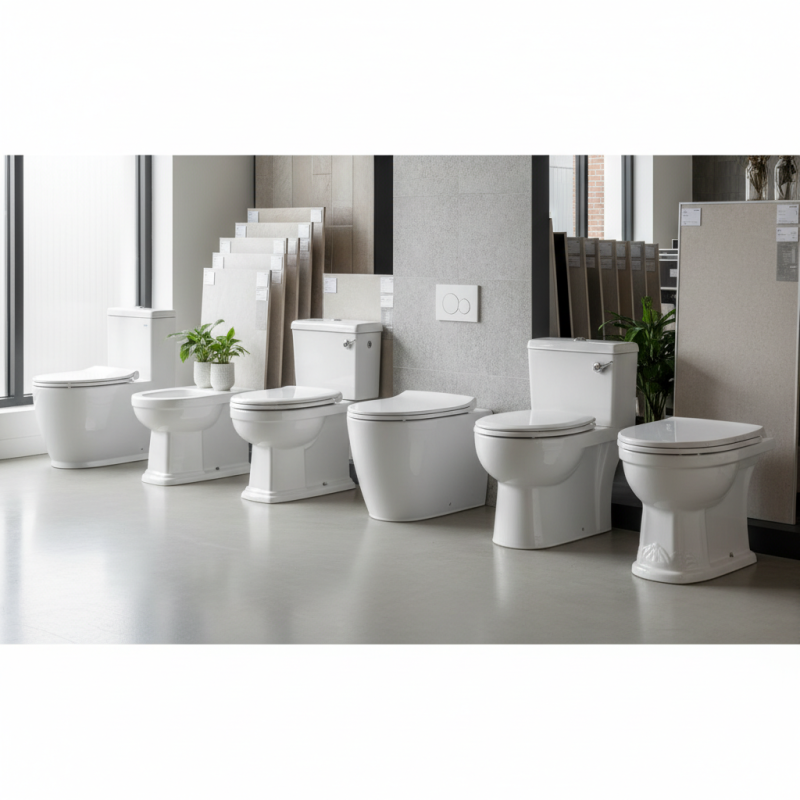
When selecting the best ceramic toilet for your bathroom, it is crucial to consider your bathroom space and design preferences. Start by measuring your bathroom dimensions to ensure the toilet fits comfortably without obstructing movement or access to other fixtures. Take note of the space available in relation to the overall layout, as a compact area might require a more space-efficient model. Furthermore, consider the height of the toilet; comfort height units are designed for ease of use, especially in smaller or shared bathrooms.
In addition to spatial considerations, the design style of your bathroom should heavily influence your choice. Whether your bathroom features a modern, traditional, or eclectic design, the aesthetic of the toilet should harmonize with the overall theme. For instance, if your bathroom has sleek lines and minimalistic decor, a streamlined, contemporary toilet design will enhance the visual appeal. On the other hand, if your space embraces classic features, look for toilets with rounded shapes or vintage-inspired elements. Ultimately, aligning the toilet's design with your bathroom's aesthetics not only creates a cohesive look but also ensures that you enjoy the space that reflects your personal taste.
Explore Different Types of Ceramic Toilets Available
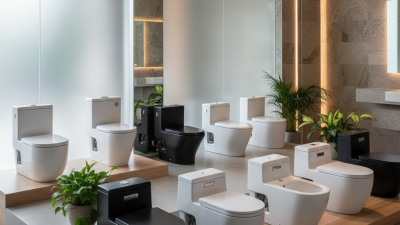
When selecting the best ceramic toilet for your bathroom, understanding the various types available is crucial to meeting your specific needs. Ceramic toilets generally fall into several categories, including one-piece, two-piece, and wall-mounted designs. One-piece toilets are often praised for their sleek look and easier cleaning, as the tank and bowl are integrated into a single unit. According to the National Kitchen and Bath Association (NKBA), these modern designs are gaining popularity due to their minimalist aesthetics and space-saving capabilities, making them ideal for smaller bathrooms.
Two-piece toilets remain a classic choice, consisting of a separate tank and bowl. They are typically more affordable and easier to transport, which can be a significant factor during installation or remodeling. The American Society of Plumbing Engineers (ASPE) reports that two-piece models account for about 70% of the market because they provide great versatility and customizable options for consumers. Meanwhile, wall-mounted toilets are emerging as a stylish and innovative choice, ideal for contemporary bathrooms. These toilets free up floor space, which can create the illusion of a larger area. They often come with dual flush mechanisms, reflecting an emphasis on water conservation, as supported by studies from the Environmental Protection Agency (EPA), which indicate that modern toilets can save homeowners an average of 13,000 gallons of water annually when compared to older models.
Understanding these different types of ceramic toilets can help you make an informed decision, ensuring that your choice aligns with your bathroom's design, functionality, and ecological considerations.
Types of Ceramic Toilets and Their Features
This chart shows the distribution of different types of ceramic toilets based on key features such as water efficiency, comfort height, and bowl shape.
Evaluate Features and Functionality of Ceramic Toilets
When selecting a ceramic toilet for your bathroom, it’s essential to evaluate the features and functionality that best suit your needs. Start by considering the toilet height; standard toilets are typically around 15 inches high, while comfort height options are about 17 to 19 inches, making them easier for taller individuals or those with mobility issues. Additionally, look for a toilet with a smooth, easy-to-clean surface that resists stains and scratches, ensuring it maintains its appearance over time.
**Tips:** When assessing the flushing system, opt for models that utilize pressure-assisted or dual-flush technologies to conserve water while maintaining powerful performance. These systems not only save money on water bills but also address environmental concerns associated with excessive water use.
Another important feature is the bowl shape. Elongated bowls provide more comfort compared to round ones, but they require more space. Assessing the size of your bathroom will help you determine which bowl shape fits best. You should also consider the noise level of the flush and seat, as quieter options might be preferable in households with children or light sleepers.
**Tips:** Don't forget to evaluate the warranty and customer support offered by manufacturers, as these factors indicate the quality and durability of your chosen ceramic toilet. A good warranty can save you from potential costly repairs in the future.
Consider Budget and Price Range for Ceramic Toilets
When selecting a ceramic toilet for your bathroom, understanding your budget and price range is critical. According to industry reports, the average price range for ceramic toilets varies widely, typically falling between $150 to $800. This variation is influenced by factors such as design, additional features, and efficiency ratings. For instance, high-efficiency models that use less water could help you save on utility bills in the long run, making them a cost-effective choice despite a higher initial price.
Tips: Before making your purchase, consider creating a budget that includes not only the cost of the toilet itself but also potential installation fees and any additional accessories you may need. Researching different types of toilets, such as one-piece or two-piece models, can also affect your choice based on both aesthetic preference and practicality.
Furthermore, it’s essential to keep in mind that while a lower price may appeal to your budget, investing in a quality ceramic toilet can offer better durability and lower maintenance costs. The right selection will balance your initial investment with long-term savings. Always check performance ratings and water consumption data to ensure you are making an informed decision that aligns with your bathroom needs.
How to Choose the Best Ceramic Toilet for Your Bathroom Needs
| Model |
Price Range ($) |
Height (inches) |
Water Consumption (GPF) |
Bowl Shape |
Features |
| Model A |
150 - 300 |
15 |
1.28 |
Round |
Soft-close seat |
| Model B |
200 - 350 |
16 |
1.6 |
Elongated |
Dual flush |
| Model C |
100 - 250 |
14.5 |
1.28 |
Round |
Compact design |
| Model D |
250 - 450 |
17 |
1.6 |
Elongated |
Heated seat |
Research Brand Reputation and Customer Reviews
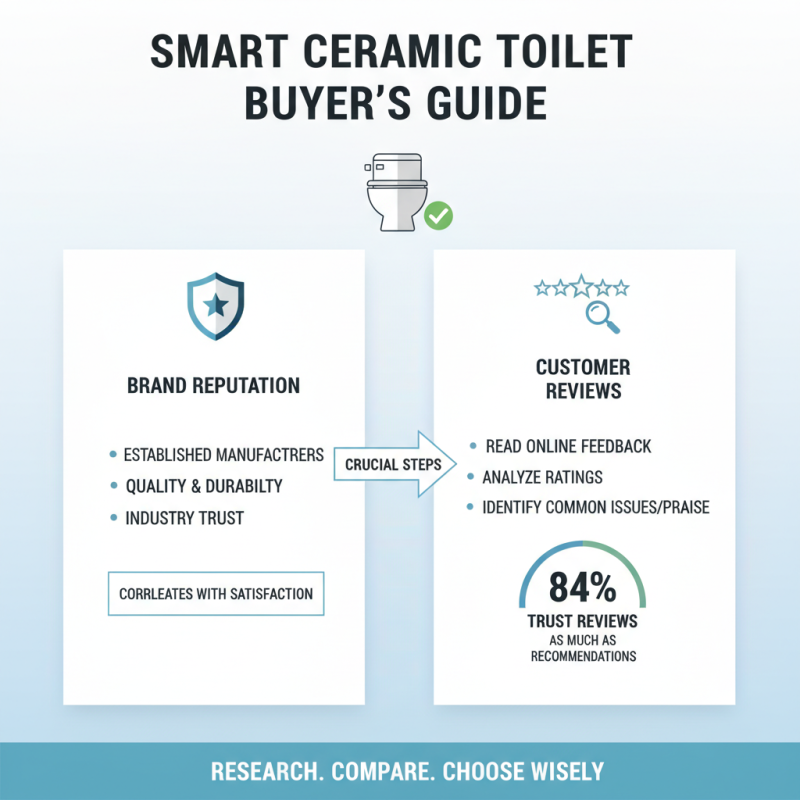
When selecting a ceramic toilet for your bathroom, understanding brand reputation and analyzing customer reviews are crucial steps in the decision-making process. A significant percentage of consumers rely on reviews, with studies indicating that approximately 84% trust online reviews as much as personal recommendations. This underscores the importance of thorough research when considering different brands. Look for toilet manufacturers that have established a solid reputation in the industry, which often correlates with product quality and customer satisfaction.
Tips: Focus on brands that have consistently high ratings across multiple platforms. While exploring customer feedback, pay attention to aspects such as durability, flushing efficiency, and ease of cleaning. According to recent industry reports, toilets that achieve a high WaterSense rating can lead to water savings of up to 20% compared to standard models. Reviews that highlight these features can guide you to selections that not only fulfill your bathroom needs but also contribute to sustainability efforts.
Moreover, consider the experiences shared by customers regarding after-sales service and warranty offerings. Positive feedback on customer support can indicate a brand’s commitment to ensuring consumer satisfaction long after the purchase. As you sift through reviews, seek insights into long-term user experiences, as they can reveal patterns in reliability and performance that are often overlooked in initial impressions.