China Top Counter Sink Suppliers for Global Buyers?
In the world of kitchen design, the choice of fixtures significantly impacts functionality and aesthetics. The "Counter Sink" industry has witnessed notable growth, driven by innovative designs and quality craftsmanship. Industry expert, John Zhang, emphasizes, “The beauty of a counter sink lies not only in design but in its seamless integration with the kitchen environment.”
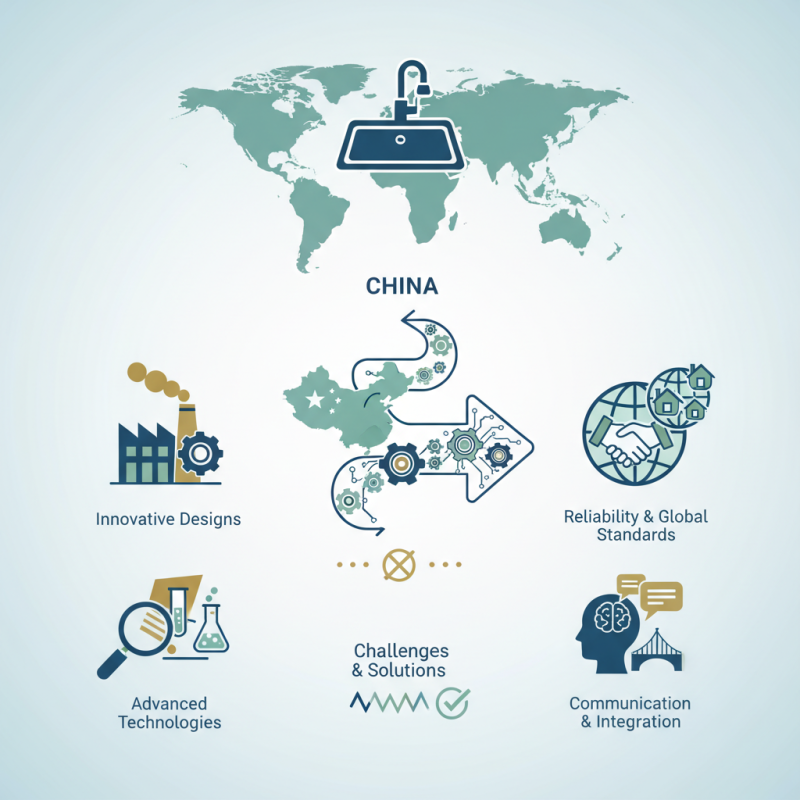
Chinese suppliers are leading this market, offering a variety of options that meet global standards. Their commitment to quality is evident in the materials and technologies they use. However, some buyers may find it challenging to navigate this vast landscape of suppliers. Reliability is key, and understanding local practices can improve purchasing decisions.
Despite the strengths of Chinese manufacturers, challenges remain. Communication barriers and varying quality standards can complicate relationships. Buyers are encouraged to conduct thorough research and ask critical questions. The perfect counter sink can elevate a kitchen, but only if chosen wisely.
Overview of China’s Counter Sink Manufacturing Industry
China's counter sink manufacturing industry plays a vital role in the global market. The country produces a significant volume of counter sinks, characterized by their precision and affordability. Facilities across China employ advanced technologies to meet the growing demands for high-quality products. Traditional craftsmanship is often blended with modern methods, ensuring durability and efficiency.
However, the industry faces challenges. Quality control remains a constant concern for many suppliers. Variations in materials and manufacturing processes can lead to inconsistencies. This is particularly crucial for global buyers, who require reliable products. Some manufacturers lack transparency in sourcing materials, raising questions about sustainability.
Despite these issues, many companies are making strides towards improvement. They adopt strict quality standards and invest in better training programs. Collaboration with international experts also enhances their capabilities. Buyers should conduct thorough due diligence before establishing partnerships. This approach fosters a more reliable supply chain while supporting China’s growth in the counter sink sector.
China Top Counter Sink Suppliers for Global Buyers
| Supplier Region |
Annual Production Volume (Units) |
Main Markets |
Product Range |
Certifications |
| Fujian |
500,000 |
North America, Europe |
Stainless Steel, Composite |
ISO 9001, CE |
| Zhejiang |
750,000 |
Asia, Australia |
Ceramic, Glass |
ISO 14001, SGS |
| Guangdong |
1,000,000 |
Middle East, Africa |
Granite, Marble |
CE, ROHS |
| Shandong |
400,000 |
South America |
Composite, Solid Surface |
ISO 9001, NSF |
| Jiangsu |
600,000 |
Europe, USA |
Stainless Steel, Copper |
ISO 14001, CE |
Key Factors Driving China’s Counter Sink Market Growth
China's counter sink market has experienced remarkable growth in recent years. According to a report by Research and Markets, the global sink market size is projected to reach $15 billion by 2027. China's contribution to this growth is notable, accounting for approximately 30% of the world's sink production. The increasing demand for modern kitchen fixtures, driven by renovations and new home constructions, is a significant factor.
Innovation plays a key role in this sector. Manufacturers are investing in advanced technologies to enhance functionality and aesthetics. Recent statistics indicate that around 60% of Chinese suppliers are now using eco-friendly materials in their production. This shift meets consumer demand for sustainability. Additionally, rising disposable incomes are encouraging consumers to opt for higher-quality products. As a result, the middle and upper-class segments are driving demand for premium counter sinks.
Despite these positive trends, challenges remain. Some manufacturers face difficulties in maintaining consistent quality. The fluctuation of raw material prices also poses a risk to production costs. Moreover, not all suppliers adhere to international standards, which can impact buyer confidence. Addressing these issues will be crucial for sustaining growth in this competitive market.
Growth of China's Counter Sink Market (2020-2023)
Leading Suppliers of Counter Sinks in China
China has established itself as a leading destination for counter sink manufacturing. Many suppliers in the region offer a wide range of styles and materials. This variety caters to diverse buyer preferences, from stainless steel to ceramic options. Many manufacturers focus on quality, ensuring that their products meet international standards. This emphasis on quality can enhance buyer trust and satisfaction.
However, navigating the supplier landscape requires careful consideration. Not all suppliers maintain the same levels of expertise or production standards. Buyers may encounter challenges in finding reliable partners. It is essential to research and verify supplier credentials diligently. Some suppliers may promise high-quality products, but the reality can differ. Engaging with local teams can help in assessing commitment to quality.
The importance of good communication cannot be overstated. Clear discussions can prevent misunderstandings. Additionally, it encourages a strong working relationship. Ultimately, global buyers should remain vigilant and proactive. Doing so can pave the way for successful partnerships in sourcing counter sinks from China.
Quality Standards and Certifications for Counter Sinks
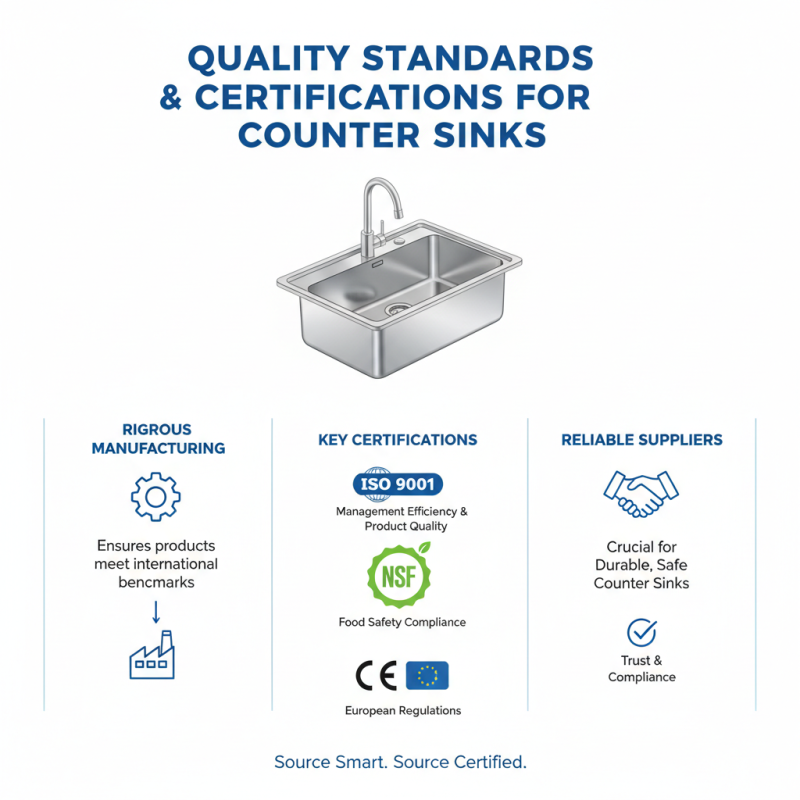
When sourcing counter sinks, quality standards and certifications play a crucial role. Reliable suppliers adhere to rigorous manufacturing processes. This ensures that products meet international quality benchmarks. Certifications like ISO 9001 signify management efficiency and product quality. Other relevant certifications may include NSF for food safety and CE for compliance with European regulations.
Understanding these standards helps buyers make informed decisions. Not all suppliers possess the same level of compliance, which can lead to variances in durability and finish. Some products may look appealing but lack the necessary certifications, raising concerns about longevity. It’s essential to request documentation from suppliers. This builds trust and transparency in the procurement process.
Additionally, buyers should consider third-party testing. Independent laboratories can validate claims made by suppliers. Products failing to meet expectations may not only impact functionality but also reflect poorly on a buyer’s reputation. Quality should never be compromised, as the implications can be far-reaching. Engaging directly with manufacturers can sometimes uncover insights that are not visible on paper.
Export Trends: China’s Counter Sinks in the Global Market
China has become a significant player in the global counter sink market. Many countries rely on Chinese suppliers for their counter sink needs. The quality of these products has improved significantly over recent years. Manufacturers have invested in technology and skilled workers. This improved manufacturing process has led to better product durability and aesthetic appeal.
Export trends indicate a steady increase in the demand for Chinese counter sinks worldwide. Many buyers appreciate the diverse styles and finishes available. This variety allows them to cater to different market preferences. However, challenges remain. Some buyers express concerns about consistency in quality. This inconsistency can lead to issues in large orders. Additionally, navigating international trade regulations can be complicated. Buyers must be diligent and engage in thorough research. They need to understand the market dynamics to make informed decisions.
Engaging with reliable suppliers is crucial. Buyers should seek recommendations and reviews to ensure they choose wisely. Communication can alleviate many potential problems. It’s not just about the product, but also the partnership. Creating strong relationships can help buyers address concerns efficiently. Adapting to trends while maintaining quality remains a tough balancing act.