What is a Ceramic Toilet and Why Choose It for Your Bathroom?
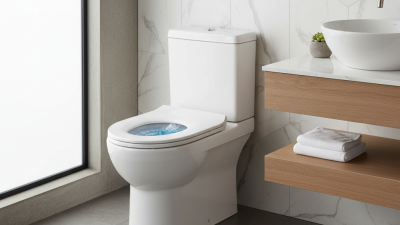
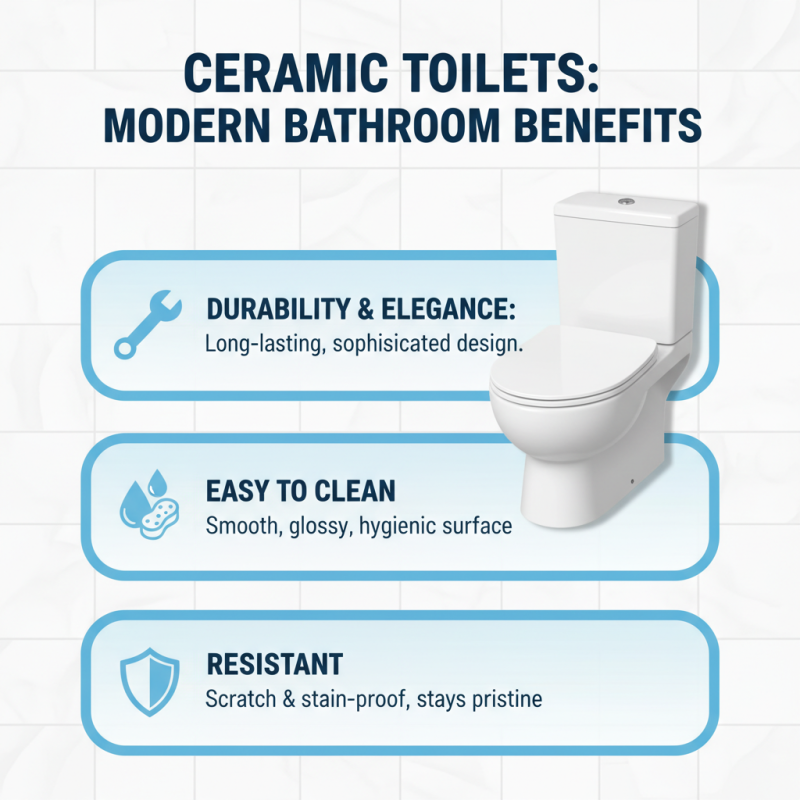
When considering bathroom fixtures, a ceramic toilet stands out for its durability and aesthetic appeal. Industry expert Dr. Emily Carter states, "Ceramic toilets blend functionality with elegance." This makes them a popular choice among homeowners. The smooth, glossy finish of ceramic can enhance the overall look of any bathroom.
Ceramic toilets are crafted from high-quality materials, ensuring they withstand daily use. Their resistance to stains and easy cleaning make them practical. However, they can be heavier than other materials, which may pose installation challenges. Some homeowners may find the initial cost higher, yet the longevity justifies the investment.
In a world where trends constantly evolve, ceramic toilets remain a classic choice. Their timeless design appeals to various tastes. Still, it’s essential to reflect on choices that suit personal needs and bathroom styles. The decision to choose a ceramic toilet involves balancing aesthetics with practicality.
What Materials Are Used to Manufacture Ceramic Toilets?
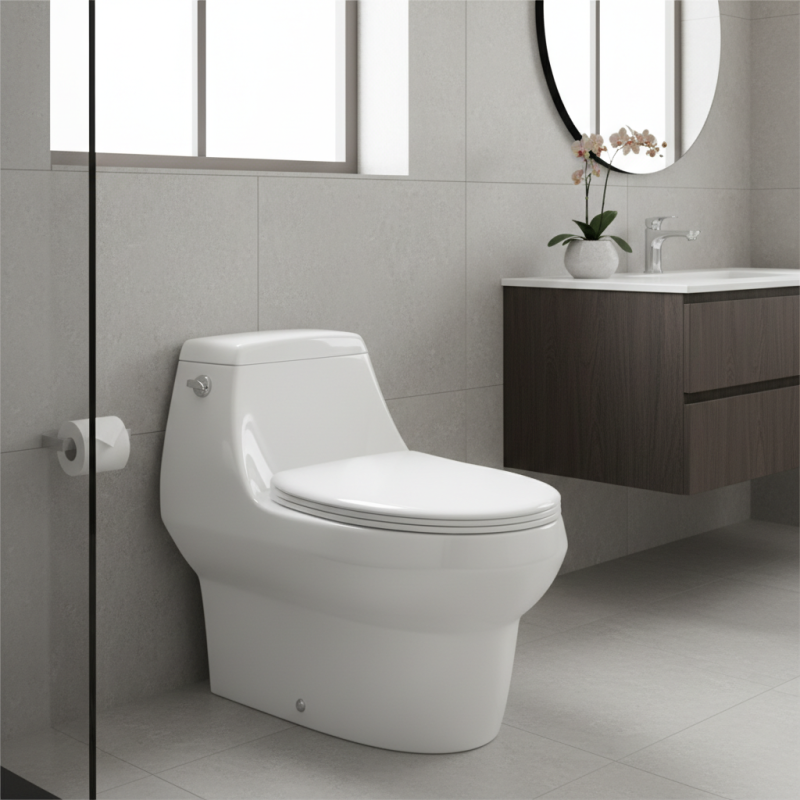
Ceramic toilets are primarily made from clay and minerals. These materials are fired at high temperatures, making them durable. According to industry reports, around 80% of toilets in modern homes are ceramic. This popularity is due to their strength and ease of cleaning. The non-porous surface prevents bacteria build-up, making maintenance simpler.
The manufacturing process often includes glazing, which enhances the toilet's appearance. Glazed ceramic toilets resist stains and are available in various colors and designs. However, some might argue that not all ceramic is equal. Variations in clay quality can impact durability and finish. A poorly made toilet may chip or crack, leading to costly repairs.
Additionally, there are environmental concerns associated with ceramic production. The mining of raw materials and energy consumption during firing can have a significant ecological footprint. While most ceramic toilets last for years, the initial production process should be considered for those aiming for sustainability. Each of these factors contributes to the decision-making process for homeowners.
Comparative Analysis: Ceramic Toilets vs. Other Materials
When considering bathroom materials, ceramic toilets stand out for many reasons. According to a 2022 industry report, over 70% of homeowners prefer ceramics due to their durability and ease of maintenance. Ceramic toilets are non-porous, which helps prevent stains and improves hygiene. They resist odors better than metal or plastic alternatives, making them a compelling choice.
In contrast, plastic toilets may seem less expensive, but they come with significant downsides. They are more prone to scratching and fading, which diminishes their aesthetic appeal. While metal toilets can offer a modern look, they are often cold and can be uncomfortable to sit on. Furthermore, metal can corrode over time, leading to potential health hazards. Industry experts suggest that ceramic’s longevity and reliability make it a more economical option in the long run, despite potentially higher upfront costs.
While ceramic toilets are praised for their benefits, one should consider the environmental impact of firing ceramics at high temperatures. This process consumes energy and contributes to emissions. Balancing aesthetics, functionality, and environmental concerns is critical in making an informed choice about bathroom fixtures. Each material has its merits and potential drawbacks, and careful consideration is essential.
What is a Ceramic Toilet and Why Choose It for Your Bathroom? - Comparative Analysis: Ceramic Toilets vs. Other Materials
| Feature |
Ceramic Toilets |
Plastic Toilets |
Stainless Steel Toilets |
Wooden Toilets |
| Durability |
High |
Moderate |
Very High |
Low |
| Aesthetic Appeal |
Classic & Elegant |
Simple & Functional |
Sleek & Modern |
Natural & Warm |
| Maintenance |
Low |
Moderate |
Low |
High |
| Price Range |
$200 - $800 |
$100 - $300 |
$300 - $1,000 |
$250 - $600 |
| Environmental Impact |
Moderate |
Low |
Moderate |
High |
Maintenance and Durability of Ceramic Toilets: Industry Insights
Ceramic toilets are a popular choice due to their durability and ease of maintenance. According to industry reports, ceramic materials can last over 50 years with proper care. This longevity is a significant factor for homeowners. Ceramic toilets resist stains and odors, making cleaning straightforward. A simple wipe with a mild cleaner keeps them looking new.
However, some ceramic toilets may chip or crack if not handled carefully. These risks are real and can lead to costly repairs. Research shows that over 30% of toilet issues stem from improper installation or inadequate support. It’s crucial to consider installation guidelines to avoid potential problems. Using high-quality materials ensures better durability over time.
Regular maintenance enhances the lifespan of ceramic toilets. While they are low-maintenance, keeping parts like the flapper in good condition is crucial. According to market analyses, toilet leaks can waste up to 200 gallons of water daily. Homeowners should check for leaks routinely to prevent water waste and ensure optimal performance. Remember, a proactive approach saves both water and money in the long run.
Cost Analysis: Are Ceramic Toilets Worth the Investment?
Ceramic toilets have gained popularity due to their durability and aesthetic appeal. When considering the cost of installing a ceramic toilet, one must look beyond the initial price. Ceramic toilets can last for decades with proper care. This longevity often makes them a better investment than cheaper plastic options.
Installation costs for ceramic toilets vary. They often involve higher upfront costs, but ceramic toilets require minimal maintenance. Cleaning is usually straightforward, making daily upkeep easy. Over time, you save on replacement costs. Think about it this way: a ceramic toilet can serve your household reliably for years.
Tips: Choosing a ceramic toilet? Look for one with a good warranty. This indicates quality. Also, consider the toilet's water efficiency. Lower water bills add to long-term savings.
While ceramic toilets require a larger initial investment, they pay off. On the other hand, some cheaper models might seem attractive but often need replacement sooner. Reflect on your long-term needs. Choose wisely, and think ahead about your bathroom's future.