2026 Best Countertop Basin Designs for Global Buyers?
As the trend towards modern design progresses, countertop basins are gaining traction among homeowners and designers alike. Renowned interior designer Julia Hughes states, "A well-chosen countertop basin can transform a bathroom into a sanctuary." This insight highlights the growing importance of aesthetics and functionality in the selection of these fixtures.
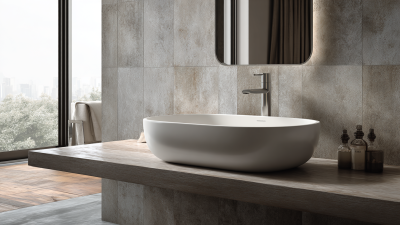
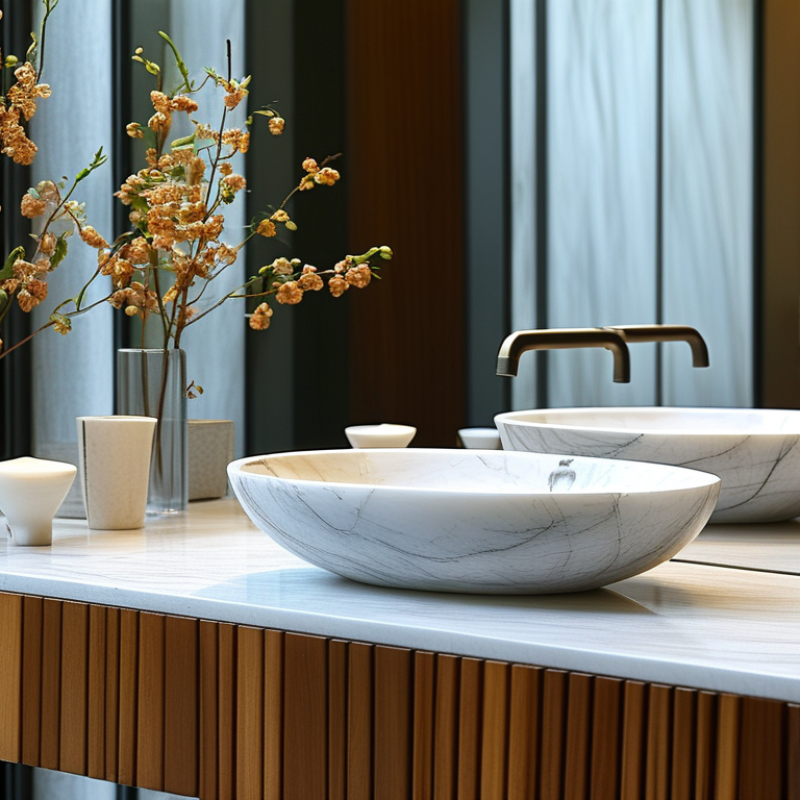
Countertop basins come in various shapes, sizes, and materials, catering to diverse tastes. From chic marble designs to minimalist porcelain, the options are limitless. However, making the right choice requires careful consideration. Not every design suits every space. Understanding the interplay between the basin and the surrounding elements is crucial.
Despite the allure of contemporary styles, some designs may not meet the practical needs of all users. Factors such as maintenance and compatibility with existing plumbing complicate decisions. Thoughtful selection ensures the basin not only looks good but also serves its purpose effectively. Reflecting on these elements is essential for anyone looking to invest in a countertop basin.
Trends in Countertop Basin Designs for 2026
As we look ahead to 2026, countertop basin designs are evolving significantly. This year is projected to see a surge in organic shapes and eco-friendly materials, as 62% of consumers prioritize sustainability in their home designs. The demand for biophilic design is rising, incorporating natural elements that enhance the sensory experience. Designs that mimic nature, such as flowing forms and earthy colors, will dominate the market.
Innovative manufacturing techniques are making customization more accessible. Reports indicate that 48% of buyers prefer unique designs tailored to their individual aesthetics. Technology plays a role here, with advancements in 3D printing allowing for intricate patterns and shapes that were once complicated to produce. This trend not only meets consumer desires but also reduces waste in production.
However, there are challenges. The reliance on newly developed materials raises questions about durability and longevity. Designers must consider the balance between innovation and practical use. As trends shift to lighter, fragile designs, ensuring functionality alongside aesthetics becomes crucial. Feedback from consumers indicates a need for designs that remain relevant in changing tastes. Reflecting on these aspects can help the industry move forward responsibly.
Materials and Finishes: What’s Popular in Countertop Basins
When selecting countertop basins, materials and finishes play a significant role in aesthetics and functionality. Popular choices include ceramic, stone, and glass. Ceramic basins offer a classic look and are easy to clean. They come in many colors and styles, making them versatile for any bathroom design. However, they can chip if not handled carefully, which might be a concern for some buyers.
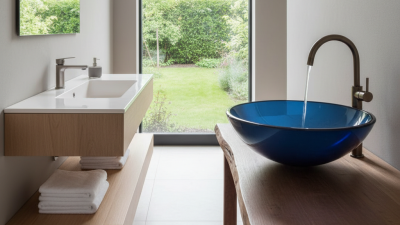
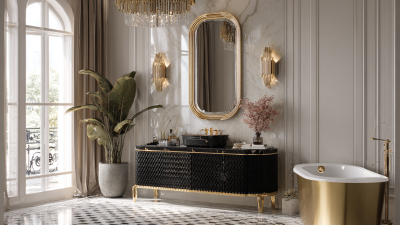
Stone basins, such as marble or granite, bring a luxurious touch. These materials are durable but may require more maintenance. Over time, they can show wear and tear, and staining can occur without proper sealing. Consider these factors when choosing your basin. Lastly, glass finishes are modern and stylish. They are resistant to stains but can be easily scratched. A delicate balance must be found between style and practicality.
Understanding these materials is crucial for informed choices. Evaluate your lifestyle when making a decision. Practicality should never be overlooked in favor of aesthetics. Design possibilities are endless, but durability and maintenance should guide your final selection. Every choice carries weight, and being aware of potential drawbacks is essential for lasting satisfaction.
2026 Best Countertop Basin Designs for Global Buyers
| Material |
Finish |
Color |
Style |
Popularity Rank |
| Ceramic |
Glossy |
White |
Modern |
1 |
| Stone |
Matte |
Gray |
Rustic |
2 |
| Glass |
Frosted |
Clear |
Contemporary |
3 |
| Concrete |
Satin |
Beige |
Industrial |
4 |
| Composite |
Textured |
Black |
Minimalist |
5 |
Ergonomics in Basin Design: Enhancing User Experience
Ergonomics in basin design plays a crucial role in user experience. A well-designed basin should fit naturally into the user’s routine. It should feel comfortable and intuitive to use. Height, depth, and angle matter significantly. These factors affect how users interact with the basin on a daily basis.
Imagine washing hands or doing dishes. If the basin is too high, it causes strain. If it’s too low, it creates discomfort. An ideal basin design considers varying user heights and capabilities. It features smooth edges and a user-friendly slope for efficient drainage.
Small design imperfections can hinder the experience. Users may find themselves reaching awkwardly or struggling to use the basin effectively.
User feedback is vital in creating ergonomic designs. Designers must observe how people interact with different basins. This allows them to enhance usability. A focus on practical solutions can lead to better user satisfaction. Balancing aesthetic appeal and functionality remains a challenging task in basin design.
Sustainability in Countertop Basin Production: A Growing Concern
Sustainability is becoming a crucial focus in the production of countertop basins. As consumers become more eco-conscious, manufacturers face pressure to adopt greener practices. Many companies are now exploring sustainable materials. This shift includes using recycled glass, natural stone, and other eco-friendly components.
However, not all manufacturers are transparent about their processes. Some may claim to be sustainable without clear evidence. It raises questions about the authenticity of eco-friendly claims. Buyers need to do their research and look for certifications. Understanding the material source is vital for making informed decisions.
Designing a countertop basin sustainably also presents challenges. It involves balancing aesthetics and functionality with environmental impact. Many designs utilize less material, reducing waste. Yet, this can sometimes compromise durability and performance. Consumers deserve durable products that don't harm the planet. Encouraging brands to improve their practices is essential for a genuinely sustainable future.
Cultural Influences on Global Basin Design Styles
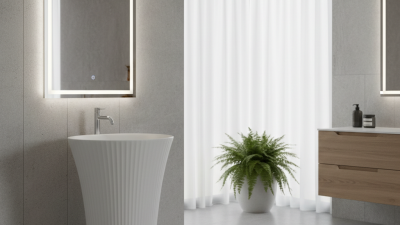
Cultural influences significantly shape the design of countertop basins worldwide. Different regions reflect diverse values, aesthetics, and materials. For instance, minimalist designs are prevalent in Scandinavian countries, emphasizing functionality and clean lines. In contrast, Asian cultures often incorporate elements of nature, featuring organic shapes and earthy tones.
A recent report from the Global Interior Design Association indicates that over 40% of homeowners prioritize culture in their bathroom selections. This trend highlights the growing awareness of how designs reflect personal and cultural identities. Artisan-crafted basins from Italy showcase exquisite craftsmanship, while sleek, modern designs from Japan focus on simplicity and elegance.
However, it's essential to recognize that trends can overshadow individual expression. Many global buyers may feel pressured to follow the latest styles. Cultural heritage should not be a forgotten aspect when selecting basin designs. Balancing modern influences with traditional values can lead to a more genuine representation of one's identity. The challenge lies in merging these varied influences while maintaining authenticity in design choices.
2026 Best Countertop Basin Designs - Cultural Influences on Global Basin Design Styles