2026 Best Bathroom Sink Designs and Features to Consider?
In recent years, the bathroom sink has evolved into a central design element, shaping the overall aesthetics of the space. According to the latest industry reports, 70% of homeowners prioritize sink design when renovating. This highlights the growing importance of choosing the right bathroom sink.
Design trends have shifted towards sleek, multifunctional sinks. These sinks not only serve a practical purpose but also enhance the bathroom’s visual appeal. Innovations in materials, such as ceramic and glass, offer both durability and style. Yet, recent surveys reveal that many consumers neglect to consider proper sizing and installation. This oversight can lead to functionality issues later on.
Homeowners are increasingly drawn to unique features like integrated storage or smart technology. However, balancing style and practicality can be challenging. Many might find themselves overwhelmed with choices, leading to regretful purchases. Understanding key design features is crucial for a successful renovation. A bathroom sink must fit seamlessly into the overall design while offering functionality.
Trends in Bathroom Sink Designs for 2026
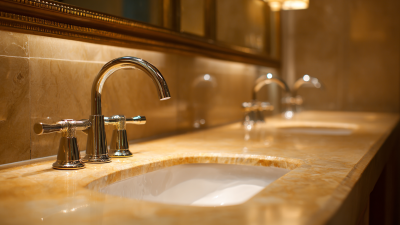
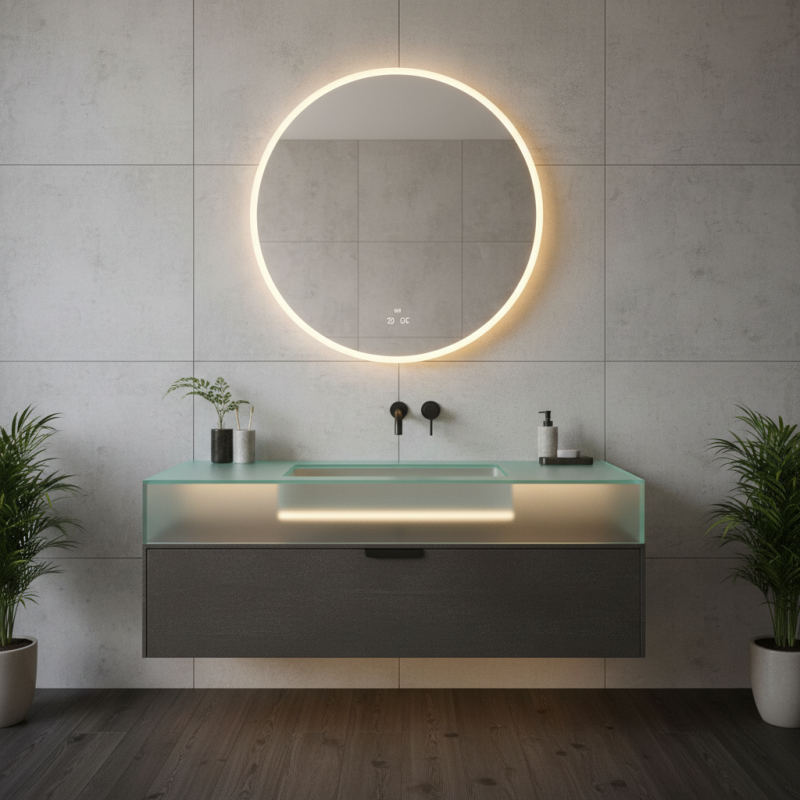
In 2026, bathroom sink designs are embracing bold aesthetics and innovative features. Expect to see striking shapes that stand out. Think rectangular basins with soft edges, or organic, flowing curves. These designs balance functionality with artistic flair, creating a focal point in modern bathrooms.
Color choices are expanding. Traditional white sinks are giving way to vibrant hues and natural tones. Shades like deep navy or earthy terracotta bring warmth. Finishes are also evolving. Matte surfaces offer a sophisticated look, while glossy finishes add a touch of elegance. Remember, however, that darker colors may require more frequent cleaning.
Sustainability is crucial in 2026 designs. Water-saving features are more common. Smart technology might be integrated, allowing users to control water flow easily. But, with all new technology, there’s room for improvement. Some may find smart sinks overwhelming or counterintuitive. The key is ensuring these features enhance user experience, not complicate it.
Key Features to Look for in Modern Bathroom Sinks
When choosing modern bathroom sinks, several key features stand out. Sizes and shapes vary widely. Round, rectangular, and oval options cater to different aesthetics. According to recent industry reports, about 59% of homeowners prefer vessels for their unique look and form. They can elevate any space. Materials also play a significant role. Porcelain remains a classic choice, while glass offers a contemporary feel.
Functionality is just as crucial. Depth and width affect usability. Some sinks feature integrated shelves for storing soap and toiletries. Survey data shows that 42% of users value easy cleaning surfaces. A smooth, seamless design reduces grime build-up. Consider water efficiency too. Many modern sinks now come with eco-friendly fixtures that conserve water.
Lastly, don’t overlook the importance of aesthetics. Color and texture can transform your bathroom's vibe. While sleek finishes are popular, textured surfaces can bring warmth. Balancing style with practicality can be challenging. Every choice reflects personal taste and functional needs. Careful consideration leads you to a sink that suits both form and function, creating a well-designed space.
2026 Best Bathroom Sink Designs and Features to Consider - Key Features to Look for in Modern Bathroom Sinks
| Sink Style |
Material |
Mount Type |
Shape |
Features |
| Vanity Sink |
Ceramic |
Undermount |
Rectangular |
Integrated Overflow |
| Pedestal Sink |
Porcelain |
Freestanding |
Oval |
Classic Design |
| Drop-In Sink |
Glass |
Top-mounted |
Square |
Frosted Surface |
| Wall-Mounted Sink |
Stainless Steel |
Wall-mounted |
Compact |
Space-Saving |
Materials Used in 2026 Bathroom Sink Designs
When it comes to bathroom sink designs in 2026, the choice of materials plays a crucial role. The popularity of composite materials is on the rise, accounting for nearly 25% of the market. These sinks often combine durability with aesthetic appeal. They resist stains and scratches better than traditional materials, making them practical for daily use. However, maintenance can still be tricky.
Ceramic remains a reliable choice. Its classic look is favored by many homeowners. Reports indicate that 30% of consumers still prefer ceramic sinks for their timeless style and easy cleaning. But chips and cracks may occur, especially in high-traffic areas. This fragility is an aspect that requires careful consideration.
Natural stone, like granite or marble, continues to attract design enthusiasts. However, these materials are not without their challenges. They can be porous, leading to potential staining if not sealed properly. An estimated 15% of sinks this year utilize these stunning materials. Their elegance is undeniable, yet the upkeep can be demanding. Selecting the right material for a bathroom sink involves weighing aesthetics against practicality.
2026 Bathroom Sink Materials Overview
Space Optimization: Choosing the Right Sink Size and Shape
Choosing the right sink size and shape can be crucial for your bathroom design. A small bathroom might feel cramped. In contrast, a larger space can accommodate a more substantial sink without overwhelming the area. Visualize a round sink. It often takes up less visual space compared to a rectangular one. This can make your bathroom feel more spacious.
Think about functionality too. Will you need extra space for toiletries? A wide sink can offer more room for essentials. However, consider the countertop space as well. A large sink may limit your options for other accessories. Balance is key. Sometimes, a sink that looks visually appealing might not be practical.
Reflect on the design you desire. Do you prefer modern minimalism or classic elegance? Industrial or farmhouse styles might require different shapes. Choosing a sink that aligns with your vision is essential. Test different configurations. Sometimes, what looks good on paper may not suit your space. It’s all about finding the right balance to enhance both style and function.
Eco-Friendly Options in Bathroom Sink Designs for 2026
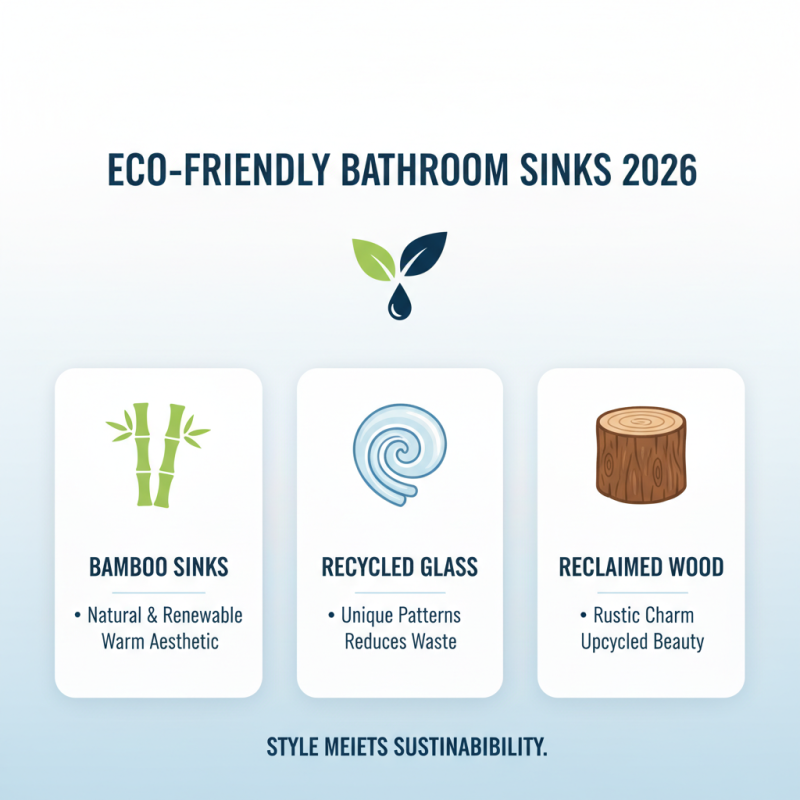
When considering bathroom sink designs for 2026, eco-friendly options are gaining traction. Sustainable materials like bamboo and recycled glass are being embraced. They not only look stylish but also reduce environmental impact. Imagine a sink crafted from reclaimed wood, giving your bathroom a rustic charm. It’s a beautiful way to elevate your space while being kind to the planet.
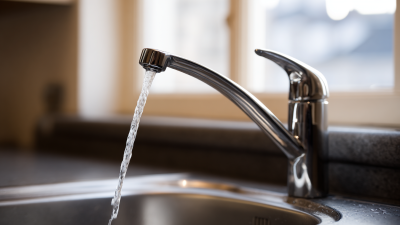
Water-saving fixtures are another feature to consider. Low-flow faucets help minimize water usage without sacrificing performance. A well-designed faucet can add elegance to your sink. Picture sleek lines and a modern finish. However, not every choice is perfect. Some eco-friendly options might come with a higher price tag. It’s important to weigh the benefits against your budget. Balancing style, function, and sustainability requires thoughtful planning and, at times, compromise.