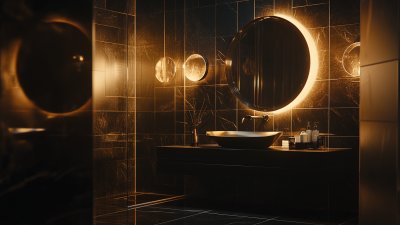
Top Bathroom Vanity Designs to Elevate Your Home Style?
When it comes to enhancing your home's style, the bathroom often gets overlooked. A well-designed Bathroom Vanity can transform the space, adding both function and flair. Renowned designer Sarah Smith states, "A carefully chosen Bathroom Vanity can be the centerpiece of your bathroom, blending style with practicality." This belief resonates with many who seek to elevate their home aesthetic.
The market for Bathroom Vanities has evolved significantly. Homeowners are increasingly interested in unique designs that reflect their personality. From sleek modern styles to vintage charm, the options are endless. High-quality materials and innovative designs are now more accessible, allowing for customization. However, not all vanities meet expectations. Some might sacrifice durability for looks, leaving homeowners disappointed over time.
Choosing the right Bathroom Vanity requires careful consideration. It's essential to balance aesthetics with usability. Questions often arise: Does it fit my space? Is it easy to maintain? Reflecting on these aspects can prevent costly mistakes. A well-thought-out choice will enhance your bathroom experience and elevate your entire home's style.
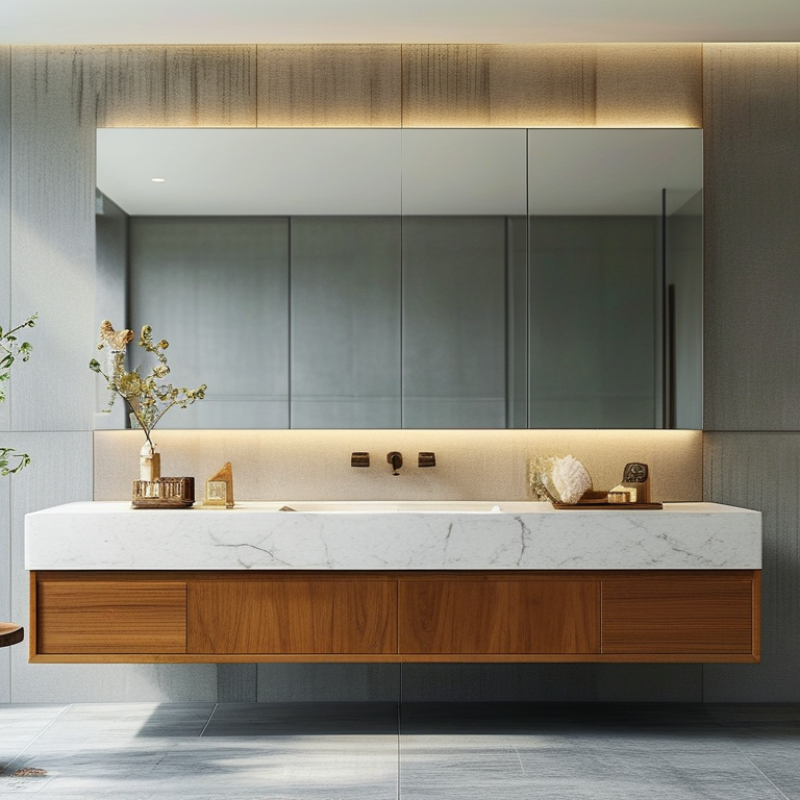
Top Bathroom Vanity Designs: Understanding Essential Styles and Trends
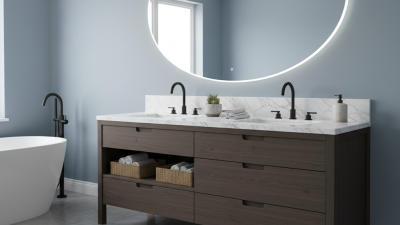
When exploring bathroom vanity designs, understanding current styles and trends is essential. The National Kitchen and Bath Association (NKBA) reports a growing preference for double vanities in master bathrooms, with 64% of homeowners opting for this feature. This trend enhances functionality while providing a modern aesthetic. Key materials include natural stone and engineered quartz, which not only elevate style but also offer durability.
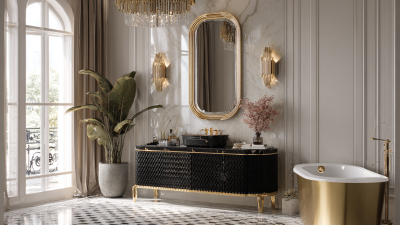
Incorporating a mix of open shelving and closed storage can create a dynamic look. Many homeowners forget the importance of lighting. A well-lit vanity area can make a significant difference. Consider installing sconces on either side of the mirror for even illumination. Statement mirrors are also in vogue, often serving as art pieces that complement the overall design.
Here’s a tip: choose a color palette that resonates with your personal style. Neutral tones combined with bold accents can create a balanced yet striking appearance. Avoid overloading the vanity with too many accessories. Simple, purposeful decor enhances functionality. Reflecting on personal needs can lead to a more tailored space. Prioritize practicality over trends to foster lasting satisfaction in your bathroom design.
Premium Materials: Quality Choices for Bathroom Vanity Countertops
When selecting materials for your bathroom vanity countertops, the choices are vast. Every material brings its unique charm. Quartz, for instance, is known for its durability and low maintenance. It offers a wide range of colors and patterns, making it easy to match any décor. However, the cost can be higher than other options.
Natural stone, such as granite or marble, adds an elegant touch. Each slab is unique, reflecting nature's artistry. Yet, they require sealing to prevent staining, which can be an ongoing task. Laminate surfaces provide affordability and versatility. They mimic the look of real stone but may lack the same luxurious feel.
Every material has its pros and cons. Knowing your lifestyle is crucial. Do you have children or pets? Will you use your bathroom frequently? These questions influence your choice. It’s essential to balance aesthetics with practicality. Real beauty lies in understanding what works best for your home.
Space Optimization: Compact Vanity Designs for Small Bathrooms
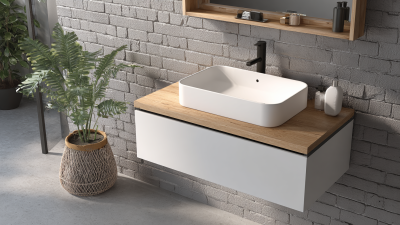
Compact vanity designs are essential for small bathrooms. According to the National Kitchen and Bath Association, nearly 49% of homeowners prioritize space optimization in their bathroom renovations. Cleverly designed vanities can enhance functionality while maximizing available space. A floating vanity, for example, creates an illusion of more floor space, making the room feel airier.
Using multi-functional furniture is crucial. Consider vanities with built-in storage options. A small cabinet with drawers can hide toiletries yet remain easily accessible. Such designs are not only practical but also visually appealing. However, it's important to balance aesthetics and utility. Overcrowded designs may feel cluttered, even if optimally sized.
Moreover, integrating light colors into compact vanities can also produce a spacious effect. Light hues can reflect brightness, making the room appear larger. Streamlined silhouettes are beneficial, as they avoid overwhelming the senses in confined spaces. Yet, thorough planning is necessary to ensure the selected design doesn't compromise on essential storage or usability. In small bathrooms, every inch counts, and an ill-considered choice can lead to frustrations down the line.
Color Palette Insights: Influencing Bathroom Aesthetics with Vanity Colors
Choosing the right colors for your bathroom vanity can transform the entire space. Shades like soft blues and greens create a peaceful sanctuary. On the other hand, bold colors like deep navy or rich burgundy can add drama. Think about how these colors reflect your style and the mood you want to create.
Light colors can make a small bathroom feel larger and brighter. They reflect more light and enhance the overall ambiance. Darker colors, while sophisticated, can sometimes feel constricting. They require thoughtful lighting to avoid an oppressive atmosphere. Consider the size of your space and the natural light it receives.
It’s also essential to think about the finishes. Matte or glossy surfaces can change how colors appear. Glossy finishes may overpower lighter hues but enhance darker tones beautifully. Take your time selecting the perfect colors for your vanity. This choice impacts your home's style and your everyday experience.
Remember that trends come and go; focus on what feels right for you.
Sustainability in Design: Eco-Friendly Bathroom Vanity Options
Sustainability in bathroom design has gained significant attention in recent years. Many homeowners are looking for eco-friendly vanity options. A recent industry report highlighted that 70% of consumers prioritize sustainability in their home renovations. This focus leads to exciting innovations in materials and designs.
Reclaimed wood vanities are a popular choice. They offer a unique aesthetic while minimizing deforestation. The use of bamboo, which grows rapidly and absorbs significant carbon, is also on the rise. This material can withstand moisture, making it ideal for bathroom environments. Additionally, some manufacturers are now using recycled materials, such as glass and metal, in their designs.
Water conservation features have become essential. A minimalistic approach is often adopted. Many modern vanities are designed with built-in faucets that reduce water flow without sacrificing functionality. However, choosing sustainable materials can sometimes lead to higher initial costs. This could deter some homeowners. Each design choice presents a balance of aesthetics, function, and environmental impact that requires careful consideration.